IN Brief:
- Kingshurst Village Centre phase two has a stated project value of £23.9m.
- The package includes a community, health and retail building, six homes, a vicarage, new road infrastructure, and parking.
- An £8m West Midlands Combined Authority contribution is part of the funding package, with construction expected before year-end.
Solihull Council has approved the funding arrangements needed to move the £23.9m second phase of Kingshurst Village Centre regeneration into construction, with work expected to begin before the end of 2026.
The package centres on a new community, health and retail building, supported by six homes, a new vicarage, a new main road, parking, and associated infrastructure. Cabinet approval allows the council to accept an £8m contribution from the West Midlands Combined Authority and progress the phase after an extended period of design, funding, and commercial development.
The new building is intended to combine GP and public-health services with a dentist, pharmacy, opticians, library, community space, café, and Co-op store. Bringing those functions into one facility creates a more complex construction brief than a conventional retail or community building.
Healthcare, public services, and commercial occupiers require different fit-out, servicing, access, ventilation, data, and operational arrangements. The principal structure and building services therefore have to provide enough flexibility for several occupier types while remaining coordinated within one construction programme.
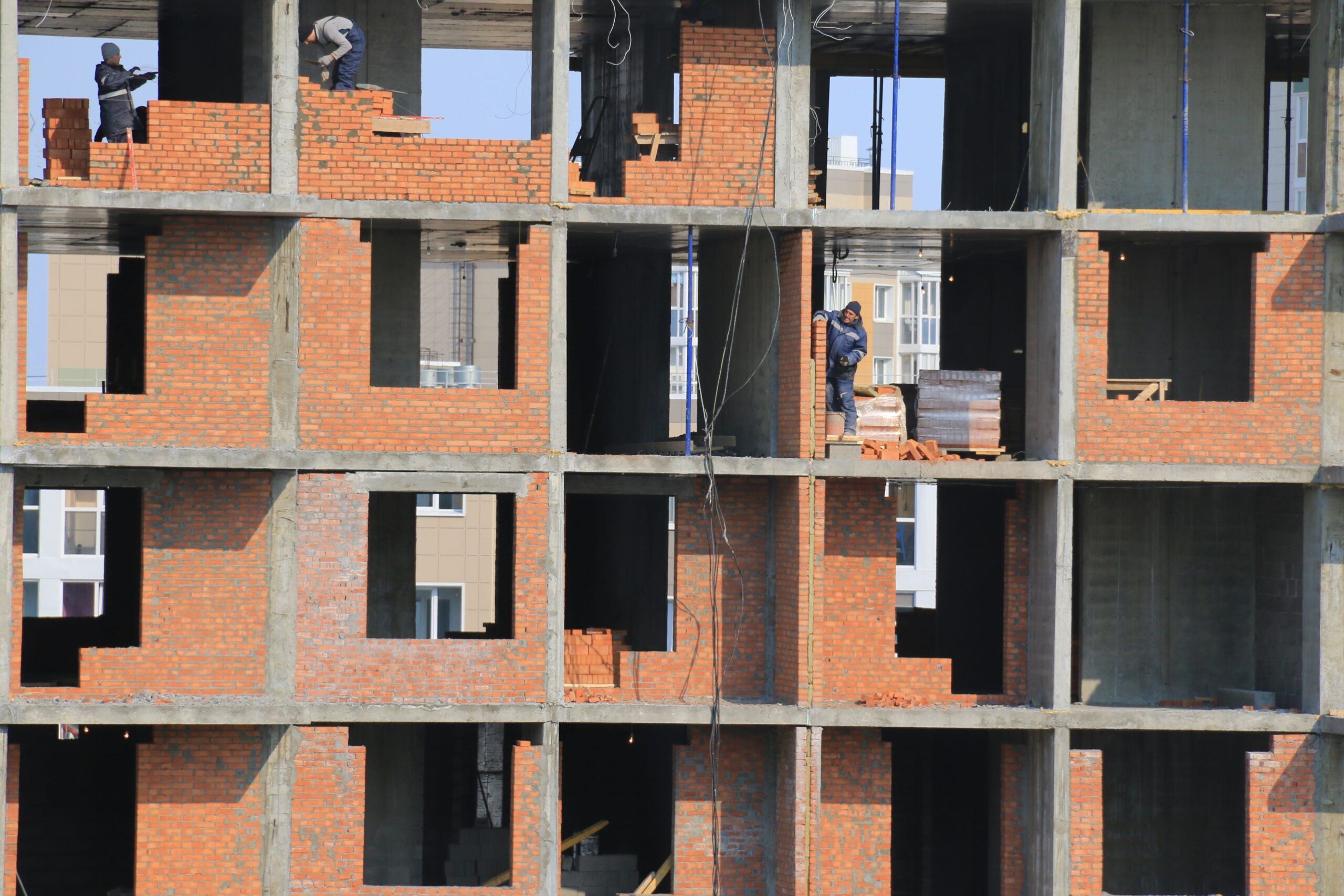
The wider phase also includes housing, highways, and parking, requiring the central building to be delivered alongside external infrastructure rather than as an isolated development. Temporary access, construction deliveries, pedestrian routes, and local traffic will have to be managed around a neighbourhood centre that continues to serve residents during the works.
The September approval follows several stages of project development. Solihull Council had already authorised further detailed design and business-case work, while the West Midlands Combined Authority approved its £8m contribution in July. The latest Cabinet decision brings those strands together into a funding arrangement that allows the project to move towards site delivery.
Construction cost inflation has been a recurring issue during the scheme’s development. A phased approach has allowed the council to progress parts of the regeneration while the more complicated community, health and retail component moved through design, funding, and commercial review.
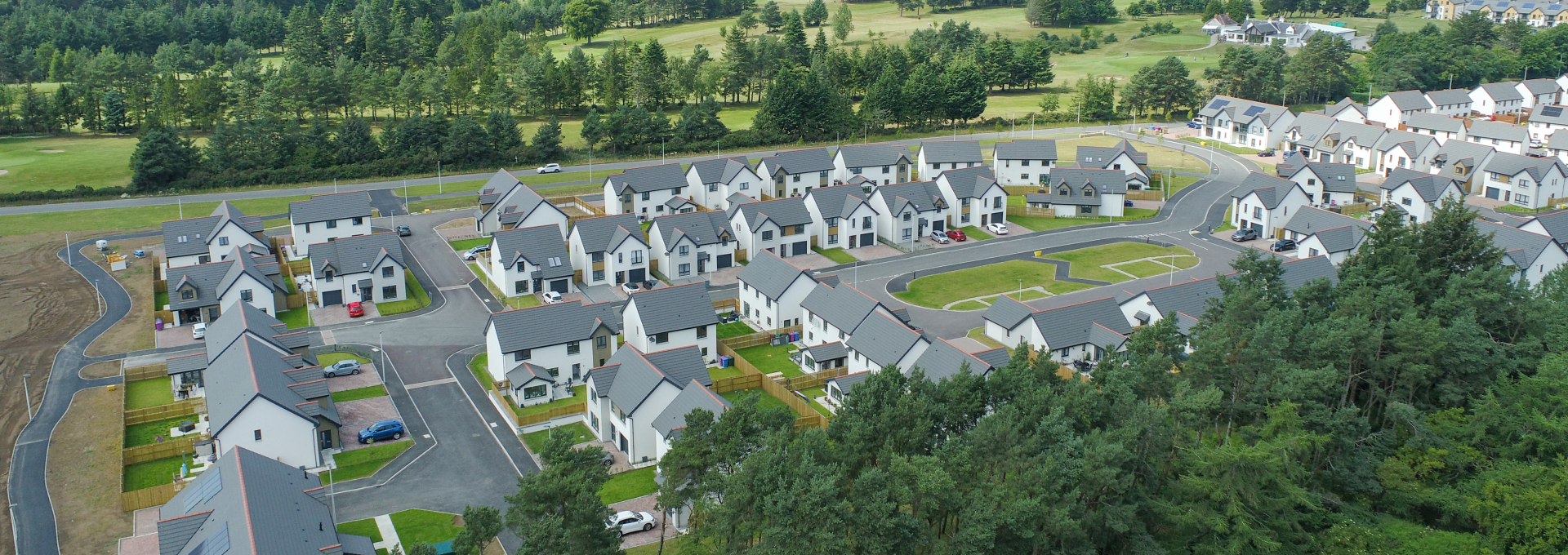
The first housing phase has already delivered 25 social-rented homes on the former Mountfort pub site. Those homes were completed in 2024 and form the first built component of the wider Kingshurst masterplan.
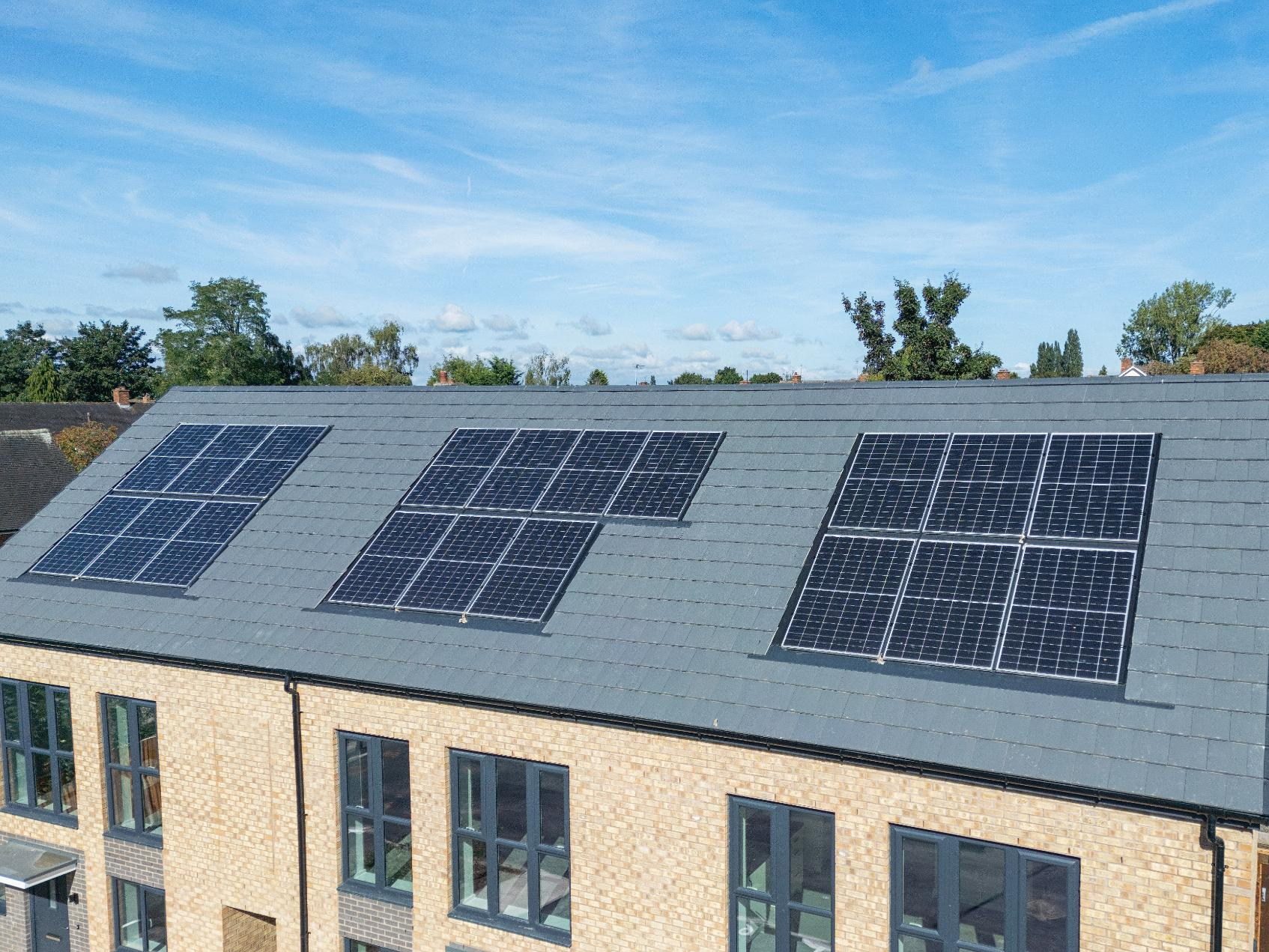
The completed homes use timber-frame construction, a fabric-first approach, air-source heat pumps, and photovoltaic generation, providing a physical reference for the residential element of the regeneration before work begins on the larger mixed-use phase.
Willmott Dixon has previously worked on the Kingshurst regeneration and delivered that first housing phase for Solihull Metropolitan Borough Council and Solihull Community Housing. Its project material describes the completed homes as the opening stage of a wider programme centred on a new community health and wellbeing hub.
The second phase shifts the construction emphasis from a relatively defined residential package to a building with several different public and commercial functions. Interfaces between those uses will influence plant space, electrical distribution, ventilation, access control, acoustic separation, fire strategy, and fit-out sequencing.
Healthcare accommodation can carry more demanding technical requirements than conventional retail space, while a library, community rooms, café, pharmacy, and other occupiers each bring their own operational layouts. Resolving those requirements before construction is well advanced reduces the risk of late changes to services and internal partitions.
The new road and parking works also influence the way the centre will operate after completion. They determine servicing routes and pedestrian movement as well as construction access during delivery, meaning the external works have to be coordinated closely with the building programme.
The regeneration has already included improvements to Kingshurst Park, giving the wider programme public-realm and housing components before the central village-centre phase starts. Phase two will now provide the largest concentration of new community and commercial facilities within the scheme.
Its funding structure reflects the difficulty of assembling mixed-use regeneration projects where individual elements do not necessarily support themselves commercially. Public investment is being used across housing, infrastructure, healthcare, community facilities, and retail rather than financing a single asset type.
That mix can improve the viability of a local centre after completion but makes delivery more dependent on coordinated funding and occupier requirements. Changes to one part of the brief can affect layouts, services, programme, and cost elsewhere in the building.
Solihull Council expects construction to begin before the end of 2026, making 2027 the main delivery year for the second phase. The move into construction follows several years in which the most visible progress at Kingshurst was concentrated on housing, demolition, enabling works, and public realm.
The next stage will bring the central community building and its supporting infrastructure onto site together. For the project team, the challenge is now to convert a funding and design package involving several public services and occupiers into a coordinated construction sequence without reopening the cost and programme issues that delayed the phase earlier in development.