IN Brief:
- The Building Safety Regulator has approved The One Residence, a 125-apartment residential development in Leeds' South Bank.
- Approval covers the foundations, building core, and structural frame, allowing construction activity to move into its next phase.
- Hyve Living says more than 70% of the apartments are already sold, with completion targeted for the fourth quarter of 2027.
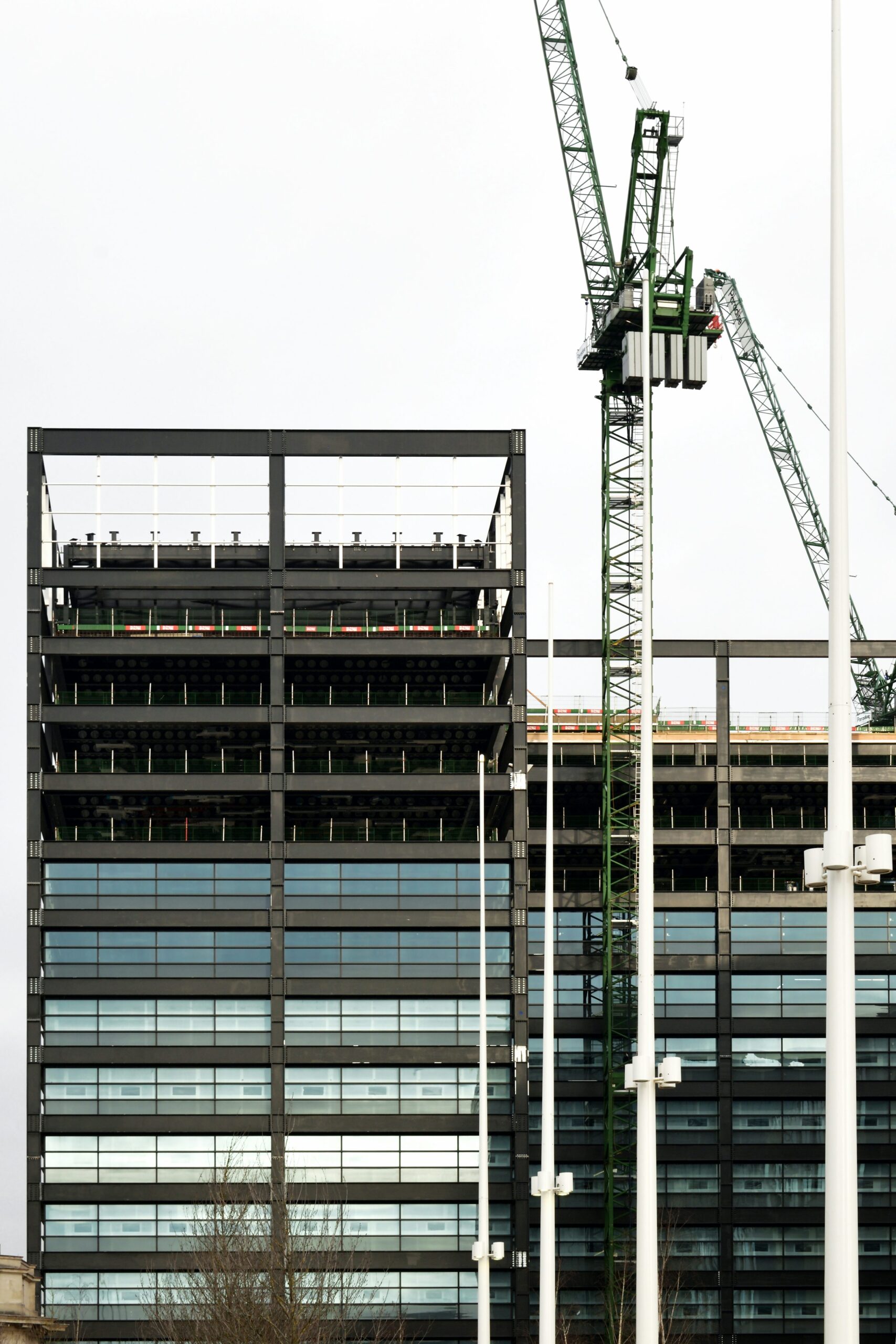
Hyve Living has secured Building Safety Regulator approval for The One Residence, its £32m residential development in Leeds’ South Bank, allowing the higher-risk building to move into construction under the approved design.
The 125-apartment scheme on Manor Road is being developed with Elite Realty Invest and has also received approval covering the foundations, building core, and structural frame. More than 70% of the apartments are reported as sold, while current project information points to completion in the fourth quarter of 2027.
The One Residence is planned as a 12-storey development of one-, two-, and three-bedroom apartments. Hyve Living’s project material gives a gross development value of £32m and 125 units, while DLG Architects describes the scheme as a new residential tower in central Leeds. The design has been revised to incorporate a second escape stair under the post-Building Safety Act regime.
Gateway 2 is the building-control approval point for higher-risk buildings in England. Building Safety Regulator guidance states that new higher-risk buildings must obtain approval before construction starts, with the regulator assessing whether the proposed work will comply with building regulations, whether the project will be properly managed, and whether competent people have been appointed to carry it out.
For a residential building, the higher-risk definition applies where the building is at least seven storeys or 18 metres high and contains at least two residential units. The One Residence therefore sits squarely within the regime, making the approval a construction control milestone rather than a procedural planning update.
The regulator can approve an application outright, approve it with requirements, or reject it where the information is insufficient or the proposed work does not demonstrate compliance. Government guidance also makes clear that building work must not start until the relevant approval has been secured. For project teams, that turns design coordination and the evidence supporting compliance into programme-critical work before site activity can advance.
That pressure has been particularly visible across the higher-risk residential market because Gateway 2 applications require a more developed design and compliance case than the old building-control route. Developers, designers, and contractors need to demonstrate how building-regulation requirements will be met, while project information has to be maintained through the construction phase as part of the wider golden-thread obligations.
The regulator’s own 2026 data shows the system processing a growing volume of applications. In the 12 weeks to 28 June, 368 Gateway 2 decisions were made across all categories, with an overall approval rate of 77%. More recent regional data to 31 August recorded 560 applications outside London, including four new higher-risk building or conversion applications in Yorkshire and the Humber.
Approval now gives Hyve Living a firmer basis for moving from pre-construction coordination into physical delivery. The foundations, core, and frame establish the geometry and structural logic of a high-rise residential project; once work begins, later changes can carry greater cost and programme consequences, particularly where they affect fire safety, escape strategy, structure, or building services.
The project team has already been working through those design implications. Wheatley M&E Services said earlier that it had been appointed to support the design and construction of the 125-apartment scheme, with building-services designs and specifications being prepared for the Gateway 2 submission. DLG Architects, meanwhile, identifies the second stair as part of the revised compliant design.
Commercially, the reported sales position gives the scheme an additional degree of visibility as construction advances. Elite Realty Invest says the development is more than 70% sold, while its current marketing material places the apartments across 12 floors. Sales do not remove construction or regulatory risk, but they strengthen the case for maintaining delivery momentum now that the main building-control hurdle has been passed.
Leeds’ South Bank continues to absorb a large pipeline of residential and mixed-use development, and The One Residence is one of the schemes moving from consent and financing into the more tightly controlled delivery phase created by the post-Grenfell regulatory framework. For contractors and consultants, the distinction is important: Gateway 2 approval does not complete the compliance process, but it permits work to proceed under the approved design and change-control arrangements.
The project now has to convert regulatory approval into sustained site progress while maintaining the information and inspection trail required by the regulator. With the foundations, core, and frame cleared, construction sequencing, change management, and evidence of compliance will determine whether the fourth-quarter 2027 completion target remains achievable.