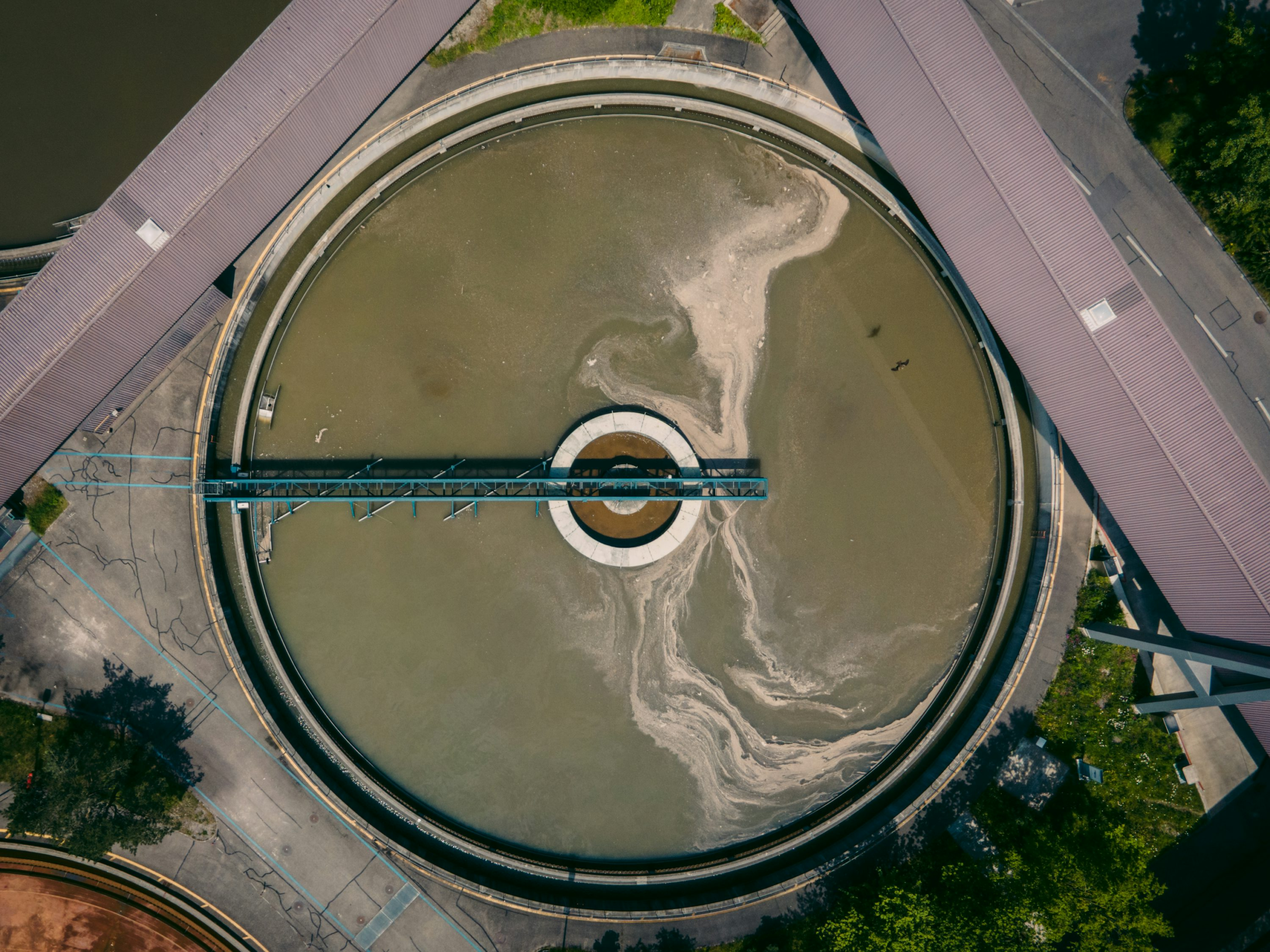
IN Brief:
- Barhale identified a £2m saving during early contractor involvement at Severn Trent's Ravenstone treatment works.
- Hydraulic assessment showed that existing structures could be retained, reducing new construction and mechanical complexity.
- Main works begin in September 2026 and are scheduled to complete in autumn 2027.
A 40% reduction in the expected cost of Severn Trent Water’s Ravenstone treatment works upgrade has preceded the main works award to Barhale, with early contractor involvement identifying savings of around £2m.
The saving emerged from hydraulic assessments carried out before the main construction appointment. Severn Trent had identified the need to upgrade the works after monitoring dry weather flows over a six-year period, but Barhale’s assessment found that key existing structures could continue to perform within the revised process arrangement. Retaining those assets removed the need for some additional construction and reduced mechanical complexity without compromising the required performance.
The main works package will combine refurbishment of existing infrastructure with new process equipment. Scope includes new storm, sludge, and submerged aerated filter tanks, package pumping stations, associated pipework, new manholes and ducting, and mechanical, electrical, instrumentation, control, and automation systems. Motor control centres and kiosks will also form part of the upgrade.
Construction is due to start in September 2026, with completion scheduled for autumn 2027. The programme therefore moves directly from early design and hydraulic assessment into a live delivery phase in which retained assets and new systems have to be integrated without undermining treatment performance. That interface is one of the defining risks on brownfield water schemes, where the contractor is working around infrastructure that must continue to operate rather than starting with a cleared site.
The £2m reduction demonstrates the commercial value of testing existing capacity before committing to new civils. On infrastructure upgrades, a design that assumes replacement too early can lock material, excavation, temporary works, mechanical equipment, and commissioning activity into the cost plan before the performance of existing assets has been fully challenged. Early contractor involvement creates an opportunity to bring construction knowledge and buildability into that decision while there is still room to change the scheme.
Retaining infrastructure is not a cost-free decision. Existing tanks, structures, and process systems need condition information, hydraulic evidence, access planning, and a clear understanding of what can be relied upon through the next operating period. Reuse also shifts attention towards interfaces: new pumps, controls, pipework, and treatment equipment must connect with assets that were not necessarily designed for the revised arrangement. The engineering case has to be strong enough that avoided capital work does not simply reappear later as operating risk.
At Ravenstone, the ECI process narrowed that uncertainty before the contract was placed. The hydraulic work established how the existing system could be used more effectively, allowing the project team to simplify the construction scope while retaining the capacity required by Severn Trent. The result is a lower capital requirement and a main works package with more of the key technical decisions resolved before site activity intensifies.
The project also reflects a wider change in how water-sector programmes are being assembled. Large investment pipelines create pressure to move quickly from regulatory need to construction, but the volume of work makes unnecessary replacement expensive across an entire portfolio. ECI, standardisation, and targeted refurbishment offer a route to stretching capital further when existing assets remain serviceable, although each case still depends on site-specific condition and process evidence.
Barhale’s scope keeps substantial new construction in the programme, particularly around process tanks, pumping, pipework, and MEICA. The saving therefore comes from removing work that the engineering assessment showed was not required rather than reducing the functional outcome of the upgrade. That distinction matters: value engineering on treatment infrastructure has to protect compliance and operational resilience, not merely lower the tender sum.
Commercially, the result also gives Severn Trent a clearer basis for measuring value than a simple comparison of tender prices. The saving was identified before the main works scope hardened, when there was still an opportunity to remove unnecessary assets rather than ask bidders to price them more cheaply. That is a different form of cost reduction from post-award value engineering. It relies on the contractor being involved early enough to challenge the design basis, and on the client being prepared to change scope when hydraulic and operational evidence supports a simpler solution.
With work starting this month, the next test is whether the simplified design translates into programme certainty on site. The Ravenstone scheme has already moved through the stage where the largest saving was found on paper. Delivery will now depend on how effectively retained structures, new process equipment, and live operational constraints are brought together before the planned autumn 2027 completion.