IN Brief:
- HS2 is negotiating revised commercial arrangements with BBV and SCS, its final two main works civils joint ventures.
- Revised deals with EKFB and Align have already introduced stronger cost, programme, and efficiency incentives across more than 100km of route.
- The remaining settlements feed into a new programme baseline due in spring 2027.
Negotiations to reset the final two main works civils contracts are nearing conclusion at HS2 Ltd, as the high-speed railway programme moves to strengthen cost, delivery, and efficiency incentives across its largest construction packages.
Chief executive Mark Wild told the House of Commons Public Accounts Committee that negotiations with Balfour Beatty Vinci and Skanska Costain Strabag could be completed within the next two months. BBV is responsible for around 90km of route through the West Midlands, while SCS is delivering the 21km London tunnels section between West Ruislip and Euston.
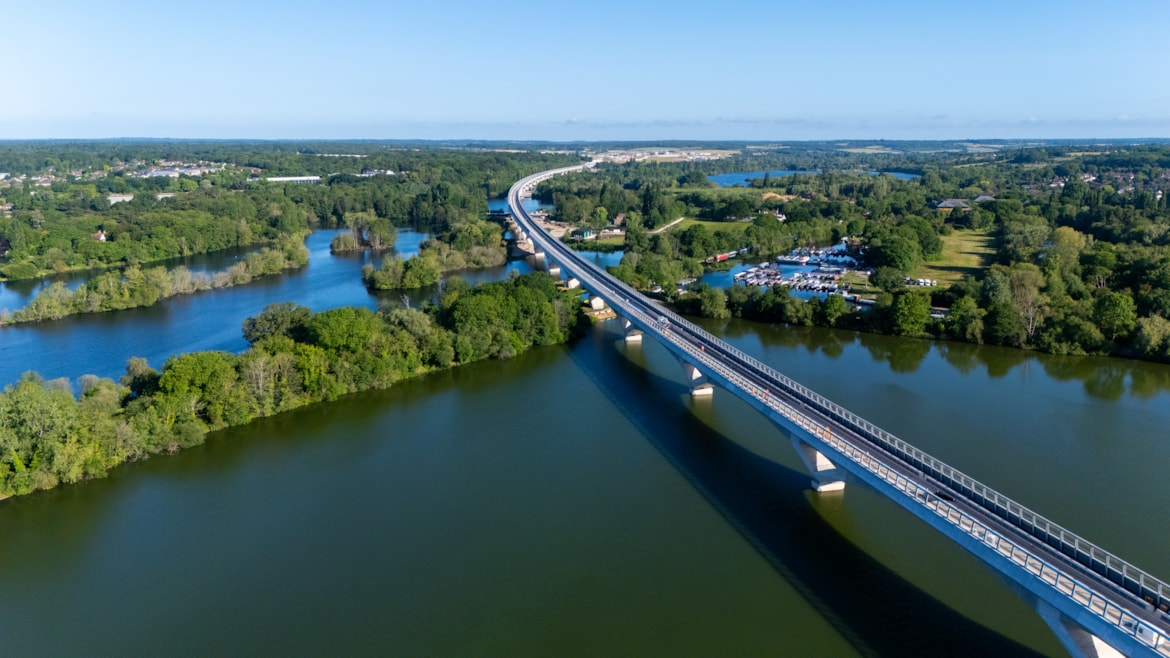
The talks are the remaining major civils component of a wider contract reset already applied to EKFB and Align. HS2 signed revised agreements with those joint ventures at the end of July, covering more than 100km of the route between London and the West Midlands. EKFB is delivering 80km between the Chiltern Tunnel north portal and Long Itchington Wood, while Align is responsible for a 24km section including the Colne Valley Viaduct and Chiltern Tunnel.
The revised arrangements do not replace the original reimbursable contracts with entirely new procurement models. Instead, HS2 is changing the commercial mechanisms around them, introducing incentives intended to place greater pressure on contractors to control cost, improve productivity, and complete work to an agreed programme. Wild has said the original contracts were let before design maturity was sufficient, leaving too much financial risk with the client and too little commercial tension on delivery teams.
Construction reporting from the committee session put the potential reduction in future cost risk from the renegotiation programme at up to £2bn. Wild also said HS2 wants civil engineering completed in 2029 and intends to start track laying in March that year, although the railway’s overall timetable extends much further because systems installation, testing, stations, rolling stock, and commissioning follow the heavy civils phase.
The commercial reset is taking place against a programme whose latest official cost range has risen to as much as £102.7bn. Parliament’s Public Accounts Committee said £46.8bn had been spent by March 2026, while completion of the full programme is now expected between 2040 and 2043. Those figures put unusual weight on the remaining contract negotiations: changes that improve productivity on the largest civil packages have consequences measured over years of work rather than a short final account exercise.
The central commercial shift is an attempt to reconnect payment with delivery outcomes after years in which the programme carried much of the risk created by incomplete design and changing scope. Incentive structures cannot remove engineering complexity, land constraints, utilities, interfaces, or the physical risks of tunnelling and major structures, but they can change how quickly problems are surfaced and whether contractors are commercially rewarded for resolving them rather than allowing cost to accumulate.
The recent EKFB and Align agreements provide the first practical test of that approach. HS2 has described the deals as part of a wider strengthening of its commercial capability, including new senior commercial leadership and additional staff. Negotiations with BBV and SCS are more consequential because of the scale of the West Midlands works and the complexity of the London tunnels, where programme decisions also interact with Old Oak Common, the Euston approach, and station delivery.
Station contracts and rolling stock still have to be rebased, and Euston remains a separate source of cost and delivery uncertainty. The Department for Transport told MPs that detailed funding plans for Euston will follow once the new delivery company has developed a sufficiently robust design, cost, and programme. That leaves the civils reset as a necessary step rather than a complete answer to the railway’s wider commercial problem.
The reset also places pressure on the client side to hold a stable programme once revised deals are signed. Contractors cannot be incentivised against cost and schedule if scope continues to move without disciplined change control, so the commercial work has to be matched by design maturity, clear interfaces, and faster decisions from HS2 itself. That is particularly important where one civils package hands over to another, or where structures move into rail systems. The success of the renegotiation will therefore be judged as much by client behaviour and baseline stability as by the wording of the amended contracts.
The next milestone is the new baseline due in spring 2027, when HS2 expects to set out a more reliable schedule and cost framework for the remaining programme. Before then, finishing the BBV and SCS negotiations would remove two of the largest unresolved commercial variables. The contracts will still have to deliver under difficult site conditions, but the programme is moving towards a structure in which cost, sequence, and contractor incentives are at least being pulled back into the same conversation.