IN Brief:
- Universal has identified 23 contractors, consultants, and specialist advisers supporting construction of its Bedfordshire resort.
- The first-wave team spans building, civils, engineering, cost management, architecture, archaeology, legal, and site-support disciplines.
- Enabling works are under way ahead of a five-year construction programme targeting a 2031 opening.
The first delivery team for Universal’s £5bn Bedfordshire resort is now taking shape, with Universal Destinations & Experiences naming the contractors, consultants, and specialist advisers supporting the programme as enabling works continue.
The September supplier update identifies 23 companies appointed to support construction of Universal United Kingdom Resort. The contractor group includes Bovis Construction (Europe), Galliford Try Construction, Morgan Sindall Construction & Infrastructure, P.J. Carey Contractors, Sir Robert McAlpine, Wates Construction, and Winvic Construction. Individual package scopes and values have not yet been disclosed.
The wider professional team brings together Arcadis, AtkinsRéalis, Buro Happold, Gensler, Gleeds, Mace Consult, Mott MacDonald, Arup, Rider Levett Bucknall, Ridge and Partners, and other specialist businesses covering disciplines ranging from design and engineering to archaeology, environmental work, legal support, and site operations. Universal has also retained links with companies involved during feasibility and planning, including WSP, LDA Design, SLR Consulting, and DWD Property and Planning.
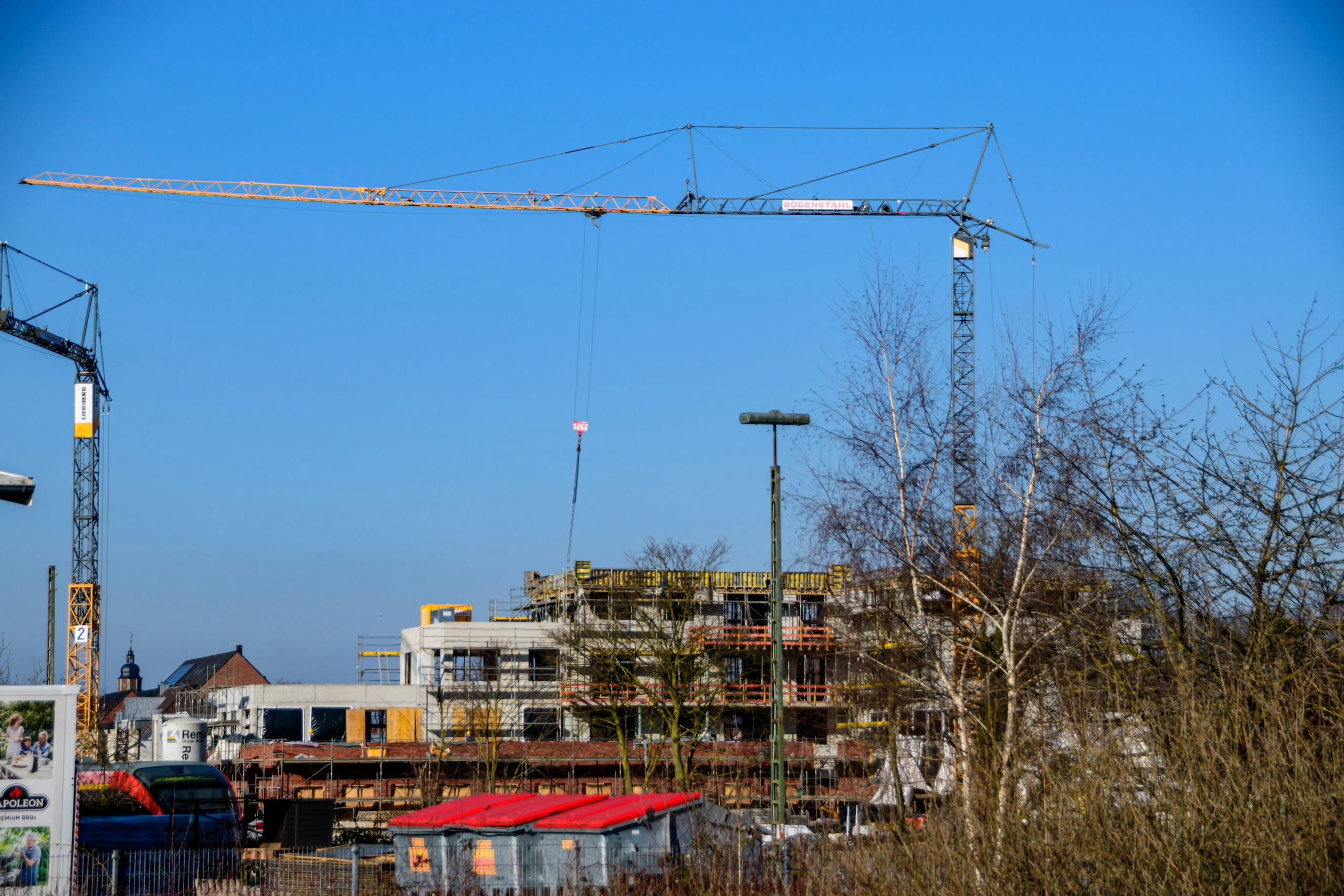
Enabling works are already under way at the former Kempston Hardwick brickworks site south of Bedford. The planned resort will be Universal’s first branded theme park and resort destination in the UK and Europe, combining themed lands with a 500-room hotel and a retail, dining, and entertainment complex. Opening is targeted for 2031, leaving a delivery window in which heavy civils, utilities, buildings, specialist attractions, fit-out, public realm, and transport interfaces will have to be sequenced across one large programme.
The supplier disclosure follows an earlier move towards main construction as government-backed infrastructure support and early utility packages began to define the wider delivery platform. That programme includes an expanded Wixams railway station, direct slip roads from the A421, improvements to Manor Road, and upgrades to the local active travel network. Universal says the development is expected to support 20,000 jobs during construction and a further 8,000 direct jobs once operational.
The significance of the latest update lies less in the number of names than in the breadth of disciplines now assembled around one programme. A destination of this scale cannot be treated as a conventional single-building job: groundworks and structures have to progress alongside roads, drainage, utilities, energy systems, hospitality buildings, landscape works, specialist ride infrastructure, logistics, commissioning, and the operational systems needed to open the whole site as one functioning resort.
The resulting sequencing challenge is as important as the procurement exercise. Major leisure developments compress a wide range of construction types into a fixed opening target, so interfaces between packages can become as important as the packages themselves. The contractor list points towards multiple major workstreams rather than one dominant main contract, increasing the importance of programme management, design coordination, commercial control, and specialist integration as detailed scopes are released.
The project also arrives in a market where large regional schemes compete for the same experienced labour, plant, materials, and specialist subcontractors. Universal’s Bedford programme is expected to run for around five years, which gives suppliers a substantial forward workload opportunity but also raises practical questions around local capacity. The project’s supplier registration process remains open, and Universal has said opportunities for regional and UK businesses will continue to grow as construction activity increases.
Public infrastructure is another critical dependency. The resort’s construction programme sits alongside road and rail works intended to carry future visitors and support the surrounding area, meaning delivery certainty will depend partly on interfaces outside the resort boundary. The £1.3bn government infrastructure commitment announced earlier in the project therefore has a direct construction consequence: private development packages and public transport works will need to progress without creating programme bottlenecks for one another.
The breadth of the appointed team also suggests that the next phase will bring a steady flow of secondary procurement rather than one short burst of awards. Tier-one contractors and consultants will need specialist subcontractors for earthworks, concrete, steel, façades, building services, temporary works, logistics, surveying, testing, security, and commissioning. That makes visibility of package sequencing important for smaller suppliers deciding when to commit labour and plant. With enabling works already active, the market will now be watching for package definitions that turn Universal’s supplier update into measurable construction workload.
Universal says the completed development could generate nearly £50bn of economic benefit over time. For the construction sector, the more immediate measure will be how quickly the newly named team converts enabling activity into defined packages, site mobilisation, and sustained main works. The first contractor list establishes who is in the room; the next material step will be the allocation of scopes, values, and construction sequencing across a programme now moving decisively beyond planning.