IN Brief:
- Two office refurbishment contracts in Bristol and Bath are worth more than £42m.
- Portwall Place will provide approximately 150,000 sq ft of upgraded workspace.
- Both projects are targeting EPC A and BREEAM Excellent performance.
RED South West has secured two office refurbishment contracts in Bristol and Bath with a combined value exceeding £42m.
The larger project is the redevelopment of Portwall Place in Bristol for BlackRock and development manager LS Estates. Once completed at the end of 2027, the seven-storey building will provide approximately 150,000 sq ft of upgraded Grade A office accommodation.
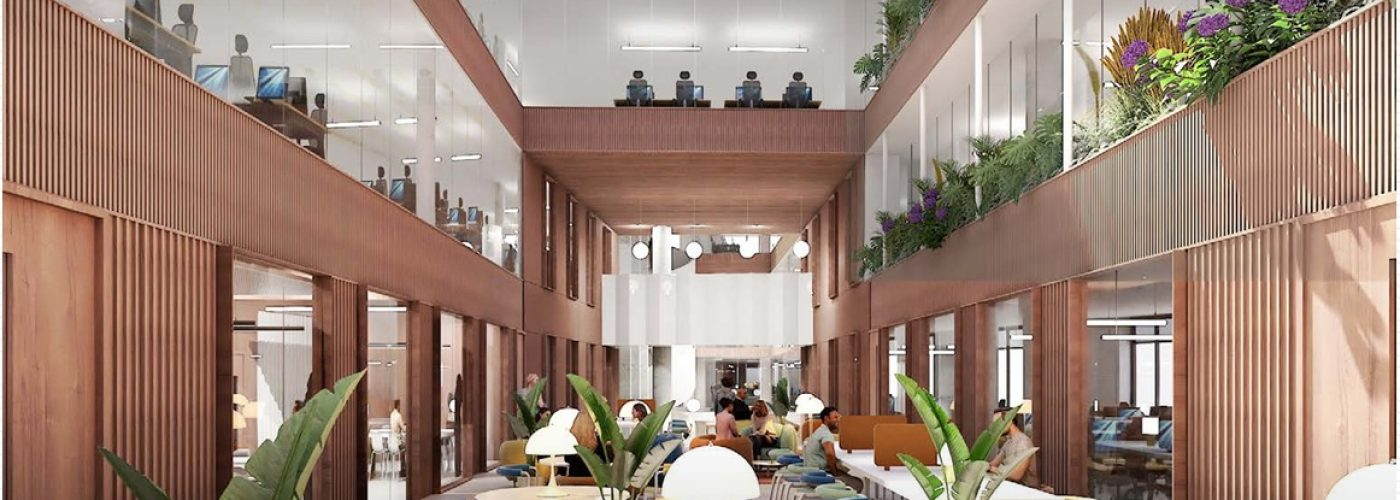
Buckley Gray Yeoman has designed the scheme, which includes a café, gym, communal work areas, and what is intended to become Bristol’s largest office roof terrace. More than 7,500 sq ft of terraces and green-roof areas will be created alongside repairs and upgrades to the building envelope.
Portwall Place is targeting an EPC A rating, BREEAM Excellent certification, and a NABERS UK rating of 4.5 stars. An all-electric energy strategy will replace fossil-fuel systems, while retention of the existing structure is calculated to produce an embodied-carbon saving of approximately 75% compared with demolition and replacement.
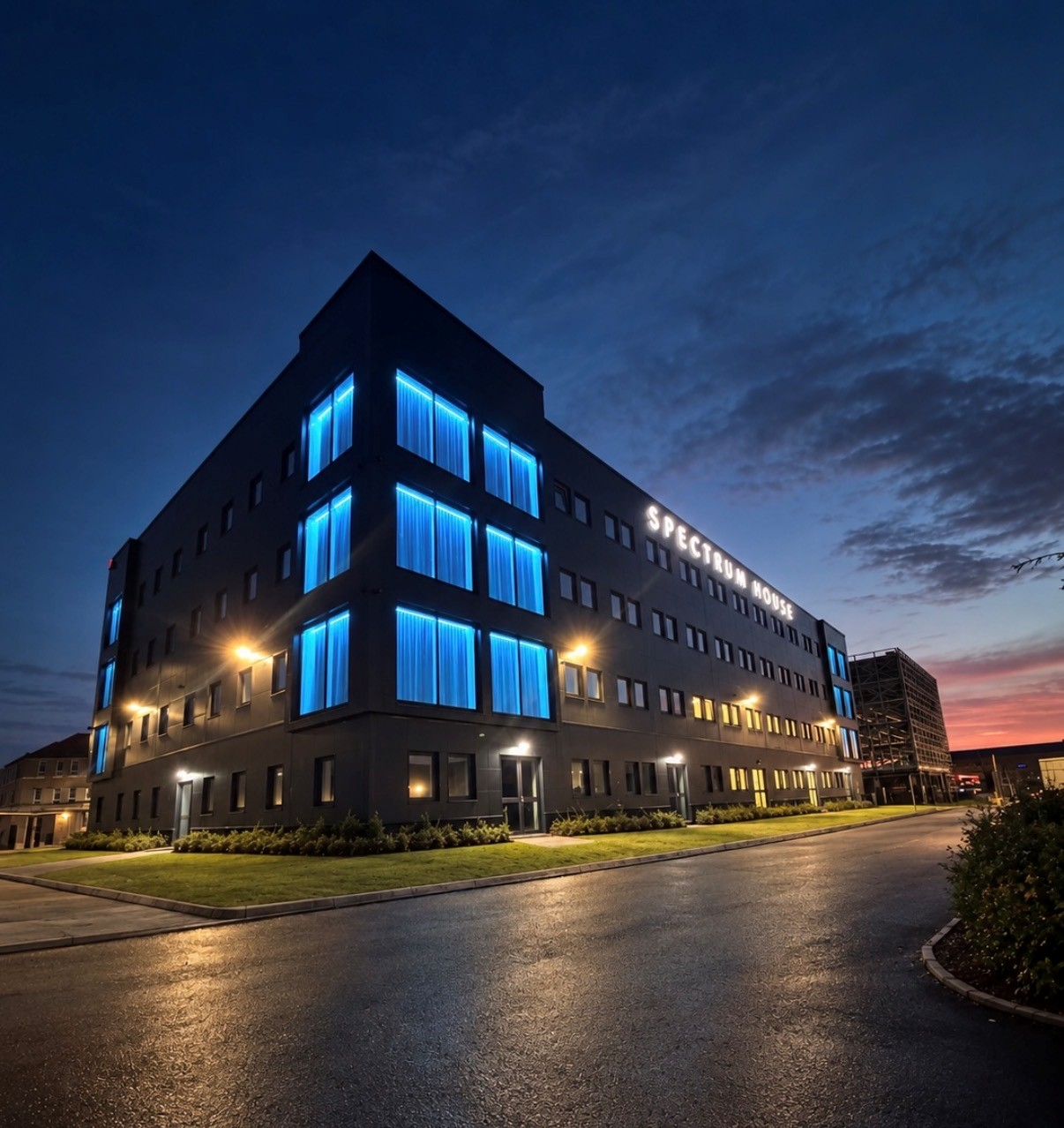
The second contract covers an £8m refurbishment of Pinesgate West in Bath, which will become the new headquarters of engineering consultancy Buro Happold. RED is delivering the project for WPV Developments to a design prepared by AWW.
At Pinesgate West, the existing façade will be removed and replaced with a new envelope designed to reduce solar gain and improve energy performance. Photovoltaic panels, electric-vehicle charging, cycle storage, and an external terrace will also be incorporated, with the completed building targeting EPC A and BREEAM Excellent.
The Bath project continues RED South West’s relationship with AWW following earlier work at Hollis Wharf and a health hub in Weston-super-Mare. Together, the two latest appointments add to more than £65m of recently completed work across the contractor’s regional operation.
Neither scheme is limited to internal finishes. Façade replacement, structural assessment, roof works, new terraces, service upgrades, penetrations, fire stopping, vertical distribution, and connections into retained fabric must all be coordinated within buildings that were designed to earlier standards.
Before major packages can be finalised, survey teams will need to establish the condition and capacity of the existing structures. Hidden corrosion, undocumented alterations, water damage, façade tolerances, slab limitations, and incomplete fire stopping can all affect cost and sequence once strip-out progresses.
Measured performance reshapes office refurbishment
Investment in office property is becoming increasingly concentrated in buildings capable of meeting higher environmental, operational, and occupier standards. Businesses may occupy less floor area than before, but many are demanding better amenities, lower energy use, flexible layouts, and stronger connections to public transport.
That change leaves older office stock facing substantial capital expenditure if it is to remain competitive. Cosmetic refurbishment offers limited value where façades, heating and cooling systems, lighting, ventilation, controls, and metering cannot support the performance expected by occupiers and investors.
Comparable retained-structure projects in major UK cities are following the same pattern, with owners preserving frames and foundations while replacing services, façades, and internal layouts. The approach retains embodied carbon but introduces design constraints that do not exist on a cleared site.
Existing column grids, floor-to-floor heights, slab capacities, riser positions, fire strategies, and service routes all limit the range of possible interventions. The design team must work within those constraints while creating space that performs and feels comparable with a new building.
Portwall Place’s NABERS target places particular emphasis on measured energy consumption after occupation rather than design calculations alone. Metering, commissioning, controls, tenant equipment, occupancy patterns, and facilities management will determine whether the building performs as intended.
An all-electric system removes on-site combustion, although electrical capacity, heat-pump efficiency, peak demand, controls, and the carbon intensity of supplied power remain central to operational performance. Oversized systems can operate inefficiently for much of the year, while undersized plant may struggle during peak conditions.
The replacement façade at Pinesgate West will require the architectural, structural, fire, and environmental design to remain closely aligned. Reducing solar gain must be balanced against daylight, airtightness, thermal bridging, moisture, glazing ratios, fire resistance, and connections to the retained frame.
Refurbishment logistics add another layer of complexity, particularly in occupied urban areas. Scaffolding, mast climbers, cranes, façade access, temporary weather protection, deliveries, and waste removal must be coordinated around neighbouring properties and live streets.
The quantity of material leaving a refurbishment can approach the logistical significance of the products arriving. Strip-out waste, old services, glazing, cladding, floor finishes, ceilings, and redundant equipment require segregation, storage, lifting, transport, and suitable disposal or reuse routes.
Retention also depends on the durability of previous construction. A frame that appears reusable at feasibility stage may require strengthening or local repair once detailed surveys expose deterioration, while interfaces between old and new work frequently demand bespoke solutions.
RED’s regional pipeline now extends through to the end of 2027, giving the contractor a substantial workload in complex office renewal. Commercial performance will depend on controlling the uncertainty inherent in retained buildings while delivering the ratings, services, and amenity standards on which the investment case relies.
For Bristol and Bath, both projects will add upgraded commercial space without replacing the complete structural fabric. As environmental regulation and occupier expectations tighten, that form of deep refurbishment is likely to account for a growing share of urban construction activity.