IN Brief:
- Wernick is now marketing RestPod sleeper accommodation directly to construction and infrastructure projects.
- Solo, Twin, and Twin Luxe units provide different configurations for individual personnel and site teams.
- The offer targets remote and shift-intensive projects where workforce travel starts affecting site coordination and productive time.
Wernick Hire is extending the RestPod sleeper range into construction and infrastructure, positioning temporary overnight accommodation as a site-logistics option for remote projects, changing shift patterns, and specialist teams that need to remain close to the work. The move takes a product developed through Wernick’s events operation and places it more directly into the company’s construction hire offer.
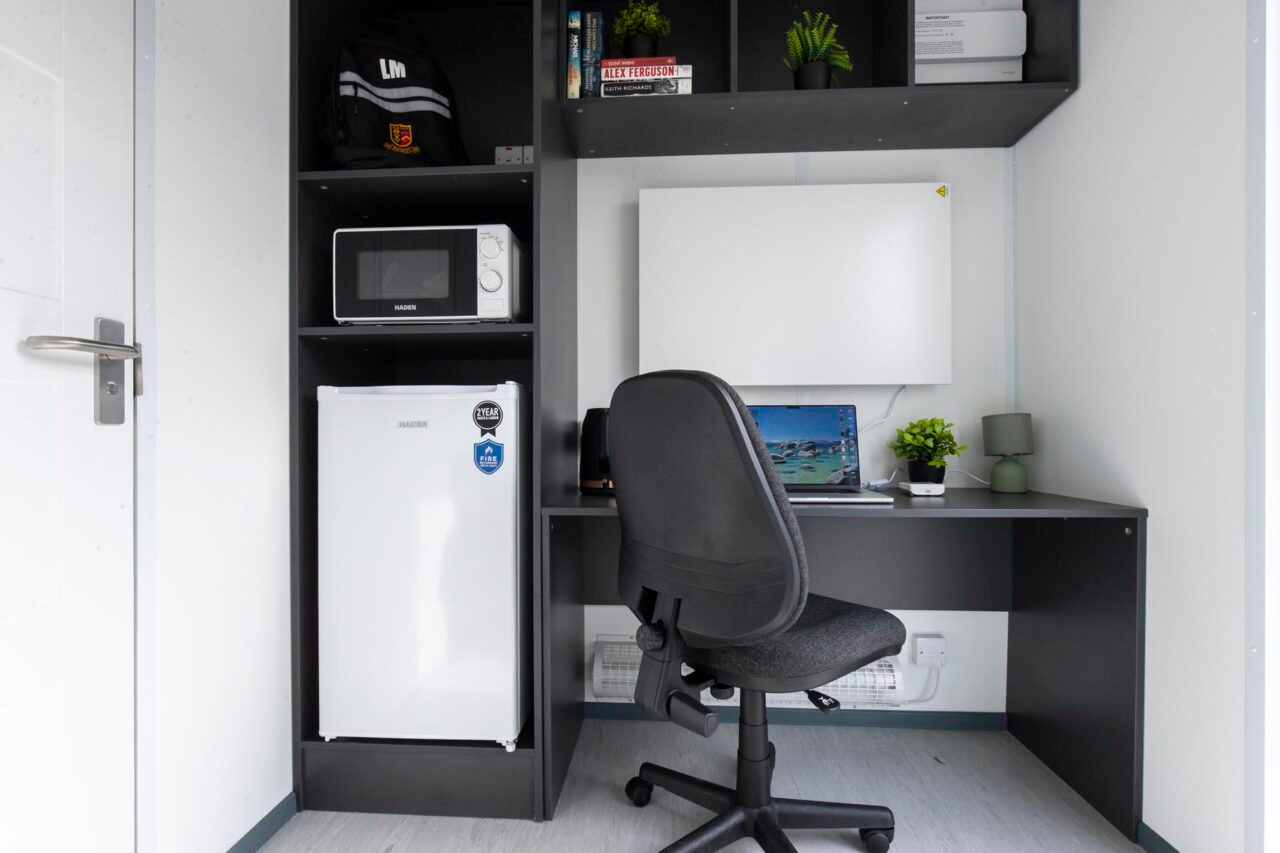
Wernick now lists three RestPod configurations through its site-accommodation business. RestPod Solo provides self-contained accommodation for one person, aimed at personnel such as engineers and supervisors, while RestPod Twin accommodates two occupants. Twin Luxe provides a larger two-person format for longer stays or projects where additional space is required.
The construction proposition is less about replacing hotels across ordinary projects than dealing with locations where workforce travel has become an operational constraint. Rail possessions, water schemes, utilities work, highways programmes, commissioning periods, and remote infrastructure can require specialist personnel to work irregular hours at sites with limited accommodation nearby.
Wernick’s own infrastructure material identifies changing programmes, overnight shifts, weekend possessions, and limited local hotel availability as circumstances where keeping selected personnel closer to site can improve coordination. The company is presenting RestPod as one component within a broader site setup rather than a permanent workforce camp.
That distinction matters. Accommodation demand can rise and fall sharply through a project as different trades and specialists arrive, meaning a large residential compound may be unnecessary for most of the programme. A smaller relocatable sleeper fleet can instead be used around defined periods such as possessions, testing, commissioning, shutdowns, or intensive work packages.
The RestPod range has been built up through substantial fleet investment. Wernick announced a further £1.25m expansion in 2026 after an earlier £1m investment in 75 units, adding Solo and Twin Luxe versions to the established offer and increasing the range of layouts available for longer-term and non-event applications.
Its construction use also changes how the units have to be considered within the temporary-site plan. An overnight sleeper is not simply an office cabin with a bed added. Noise, lighting, fire arrangements, sanitation, security, emergency access, parking, and separation from moving plant all become more significant where accommodation remains occupied outside normal site hours.
Space is another constraint. Temporary offices, welfare facilities, storage, delivery routes, craneage, material laydown, parking, pedestrian routes, and construction zones already compete for the same site perimeter. Adding sleepers requires the project team to decide whether reduced travel is worth allocating space that might otherwise serve a different operational function.
On remote infrastructure sites, that trade-off can be relatively straightforward. The time lost travelling between a distant hotel and the workfront can become material where shifts are short, work windows are tightly controlled, or specialist personnel are required at unusual hours. Two hours of daily travel across a multi-week commissioning period is not merely inconvenient once it begins to affect productive time and fatigue.
Accommodation close to site does not, however, remove responsibility for managing fatigue or working hours. The project still has to provide appropriate rest periods and avoid treating proximity to the work as a reason to extend the working day. A sleeper unit improves logistics only if the programme allows the person inside it to sleep.
That makes RestPod more interesting as a workforce-planning product than as another piece of temporary accommodation. Contractors already plan temporary power, welfare, access, lifting, storage, security, and traffic management according to project phases; accommodation can be treated in much the same way where travel conditions have a measurable effect on labour availability.
Wernick’s wider hire business gives the range a route into integrated site setups. Portable and modular accommodation, welfare facilities, and temporary power can be supplied alongside sleeper units, allowing the temporary estate to expand or contract as workforce requirements change.
The company has also developed illustrative scenarios around rail and remote water infrastructure, showing where the range could be deployed rather than claiming that every construction project requires on-site sleeping. That restraint is sensible because a centrally located building site with plentiful hotels presents a rather different problem from a remote pumping station or weekend rail possession.
The commercial test will be whether contractors begin specifying temporary sleeping accommodation at planning stage instead of sourcing it reactively once travel or hotel availability becomes a problem. If that happens, RestPod becomes part of the logistics plan rather than an emergency answer to a workforce issue.
Construction has spent considerable effort optimising material flow, plant utilisation, and site access while often treating the journey made by specialist labour as somebody else’s problem. Wernick’s construction push is based on a fairly simple proposition: once that journey starts consuming enough time, it becomes site logistics too.