IN Brief:
- Knowsley Council and Enerveo have completed a phased lighting programme that replaced more than 18,000 street lights.
- The scope also covered M62 high-mast lighting, illuminated traffic signs and subway lighting, ending with a lantern replacement in Prescot.
- The council forecasts annual electricity savings of approximately 2.94 million kWh; the figure is prospective rather than audited operational performance.
Knowsley Council has completed a borough-wide street-lighting replacement programme with infrastructure contractor Enerveo, changing more than 18,000 lights to LED technology and upgrading additional parts of the public lighting network. The project was delivered in phases beginning in July 2022, with the final lantern replacement at Market Place in Prescot. Knowsley confirmed the completed programme on 15 October.
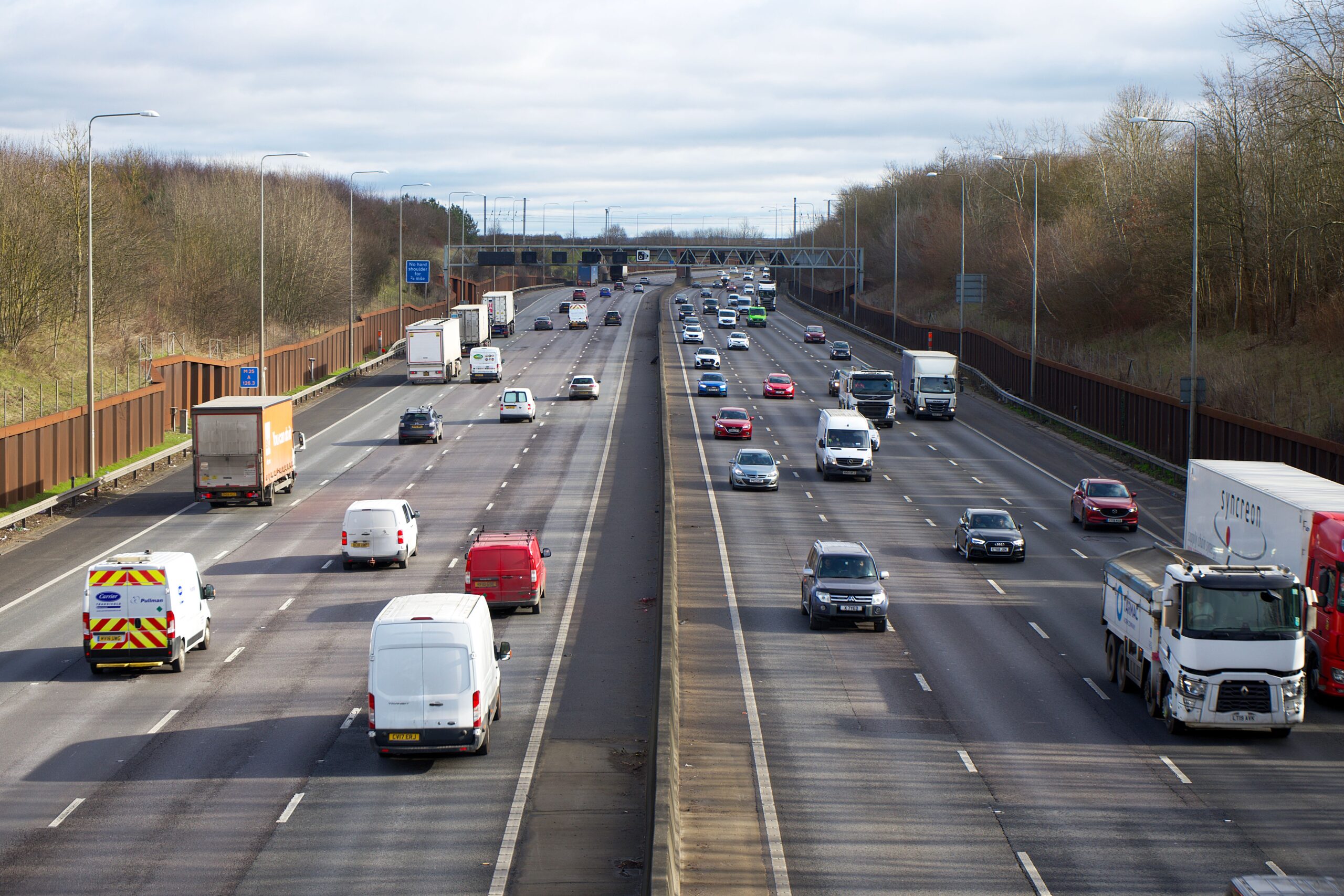
The work covered every ward in Knowsley, rather than a single road corridor or town-centre installation. Its stated scope extended beyond ordinary street lighting to high-mast installations on the M62 motorway, lighting in subways and illuminated traffic signs. Those assets perform different tasks and can have different access and maintenance requirements, so the final reported completion reflects a broad electrical infrastructure programme rather than a simple exchange of domestic-style bulbs.
The council forecasts a reduction in electricity consumption of approximately 2.94 million kWh a year from the new lighting. It compares that saving with the power used by around 800 average homes and estimates about 385 tonnes of annual carbon dioxide savings. Those figures are prospective benefits of the installed equipment, not the result of a full post-completion year of metered use. Realised savings will depend on operating hours, connected load, control settings and any later changes to lighting requirements.
LED street lighting differs from older discharge-lamp systems in the way electrical power is converted into light and directed onto the carriageway or footway. A luminaire combines light-emitting devices with electronic control gear and an optical arrangement intended to distribute illumination where it is needed. Electrical demand is determined by the luminaire power rating, operating hours and control settings as well as the efficiency of its light source. No fixture-by-fixture specification or measured post-installation power profile was published in the Knowsley announcement.
An infrastructure programme of this scale also involves the physical conditions of the existing lighting network. Lantern replacements must interface with columns, brackets and electrical connections that may have been installed at different times. Where changes affect the mechanical loading or mounting of fittings, the suitability of existing support arrangements is a design consideration. The council’s statement does not specify whether all columns were retained, whether any had to be replaced or what testing was performed on individual supports.
High-mast lighting introduces another access requirement because fittings are situated substantially above ground level and may serve major road infrastructure. Appropriate working methods depend on mast type, access systems and traffic conditions. Lighting within subways presents different constraints, including vandal resistance, maintenance access and conditions affecting electrical equipment. These are general considerations for designing and maintaining such systems, not a claim that a particular solution was used at Knowsley’s named sites.
Work started in Northwood ward, Kirkby, in July 2022 and continued across Knowsley in phases designed to limit disruption to residents and highway users. Replacing equipment on a live road network requires access to columns and associated electrical apparatus while maintaining a safe working area. The council has not detailed temporary traffic controls or the maintenance arrangements at individual streets, so the published programme should be described by its recorded delivery stages rather than assumed site methods.
Market Place in Prescot town centre was the location of the final lantern replacement, marking completion of the reported programme. It does not necessarily mean that every asset has an identical maintenance cycle or that no subsequent defects will arise. The authority will still need routine inspection and management of equipment after the upgrade, while future column or feeder repairs would be separate maintenance activities rather than evidence that the LED replacement remains incomplete.
The council anticipates lower maintenance requirements as well as reduced electricity consumption. LEDs typically avoid the same lamp-replacement pattern associated with some older discharge fittings, but drivers, optical components and connections remain subject to ageing and faults. The announcement does not state a guaranteed lifetime for each installed fitting or provide a complete whole-life cost comparison. Lower expected maintenance expenditure is therefore a programme benefit forecast, not a quantified contract saving in the available information.
The expected electricity savings contribute to Knowsley Council’s ambition to make its own operations carbon neutral by 2040. The stated 385-tonne annual estimate relates to avoided emissions from electricity use, not a published whole-life carbon account of new luminaires, transport, manufacture and eventual disposal. Assessing the project’s net carbon effect across its full life would require those additional inputs and measured operation after installation.
Enerveo delivered the phased installation in partnership with Knowsley Council, covering ordinary street lighting alongside high-mast equipment on the M62, subways and illuminated traffic signs. These different assets require different inspection and access regimes once installed. The public announcement does not give a contract price or identify luminaire suppliers and remote-management systems, so claims about a particular control platform, manufacturer’s warranty or quantified whole-life saving would be premature.
Improved visibility is another intended outcome, and the council expects the new lighting to make streets and public areas more usable. Illumination quality is influenced by distribution, uniformity, glare, colour characteristics and the surrounding environment, rather than just how bright a fixture appears. No before-and-after photometric survey, accident dataset or measured visibility improvement has been released, and the council has not demonstrated a quantified change in road safety.
A borough-wide LED estate still needs accurate location records, inspections, electrical fault response and replacement planning. Long-term savings depend partly on the availability of compatible drivers and optical assemblies as well as the performance of the light-emitting components. Knowsley has not said whether the project included a new asset-management platform, and ordinary maintenance of the upgraded network will continue after the final lantern installation.
The final lantern was replaced at Market Place in Prescot, marking the end of the phased capital programme first begun in July 2022. Knowsley’s subsequent operating records will determine how closely electricity and maintenance savings match the published forecasts, while the upgraded street, motorway, subway and signage lighting remains part of the council’s live highway asset network.