IN Brief:
- Phase one will provide 109 council homes across two residential buildings and the first part of a replacement community centre.
- Gateway 2 approval has allowed the project to move from completed site preparation into main construction.
- The complete Harriott, Apsley and Pattison House regeneration is planned to deliver 407 homes across two phases.
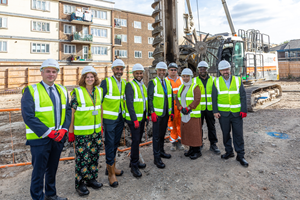
Vistry Group has started main construction on the first phase of the Harriott, Apsley and Pattison House regeneration in Stepney Green, moving the 407-home programme into delivery after securing Building Safety Regulator approval.
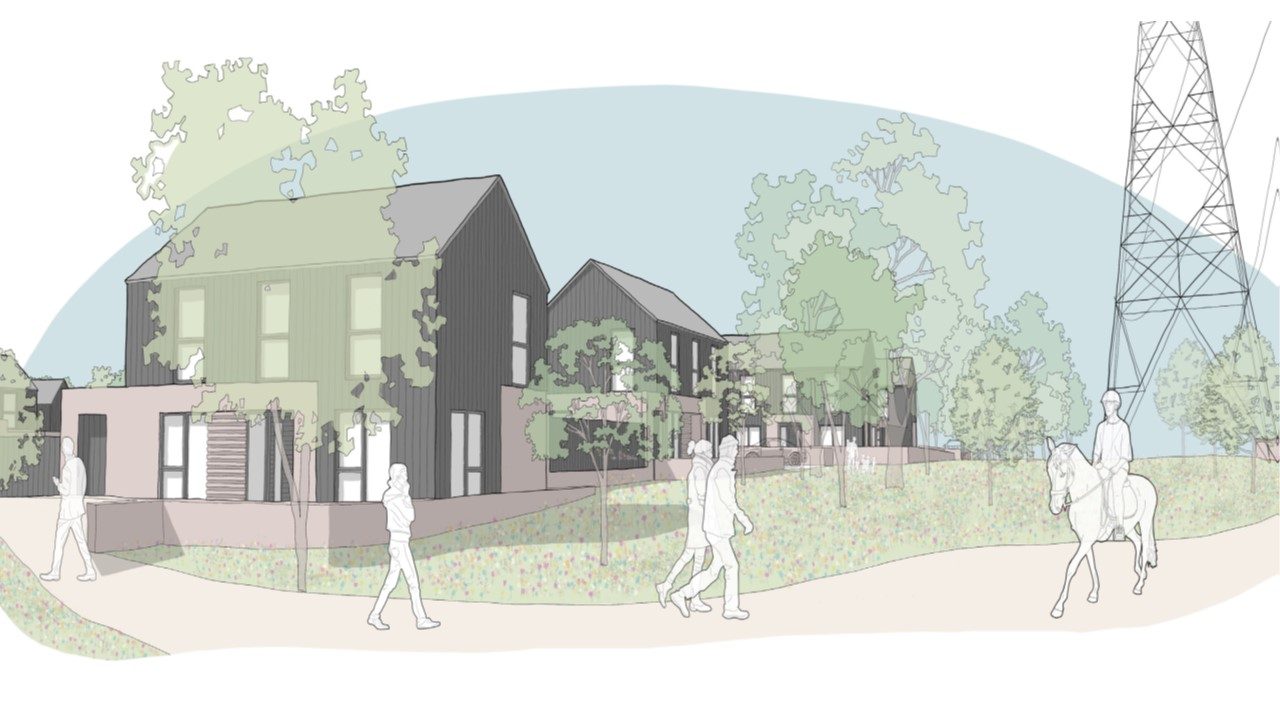
Phase one comprises 109 council homes across two residential buildings, including replacement homes for existing residents, together with the first part of a purpose-built community centre. Tower Hamlets Council expects the first residents to move into the new homes in 2029.
Site preparation has been completed, allowing the project team to move into the main build. Tower Hamlets Council and Vistry signed the development agreement and phase one construction contracts earlier in 2026, establishing the delivery structure subject to regulatory clearance.
Gateway 2 approval provided that clearance. For higher-risk residential buildings in England, Building Safety Regulator approval is required before relevant building work can begin, with applications assessed against the building regulations and the arrangements in place to manage compliance through construction.
The statutory hold point has become a significant programme consideration for residential contractors. Building Safety Regulator data covering June to August 2026 reported a 92% approval rate for new higher-risk buildings and conversions, with a median decision time of 22 weeks. A year earlier, the equivalent median stood at 43 weeks and the approval rate at 39%.
At HAP, phase one is closely tied to the existing estate. Earlier project information identified 59 of the 109 council homes as replacements for existing residents, four as wheelchair-accessible homes, and 22 as homes intended for overcrowded families living on the estate. The wider regeneration will add 298 homes in phase two, including further council and wheelchair-accessible accommodation.
Public realm and community infrastructure are integrated into the programme. The complete scheme is planned to include landscaped courtyards, improved connections through the neighbourhood, and a pedestrian route linking the estate towards Stepney Green Park, alongside the replacement community centre.
The construction period also carries local employment and training commitments. Vistry and the council have set out plans covering apprenticeships, work experience, skills activity, and engagement with schools, colleges, and community organisations during delivery.
The start follows Vistry’s wider operating reset, announced earlier in September, which will consolidate its regional structure and reduce overall housing output. Stepney Green sits within the group’s partnerships-led model, where delivery is tied to public bodies and housing providers rather than relying solely on open-market sales.
A council-backed regeneration agreement gives the project a defined route through two construction phases, although the programme still depends on detailed design control, regulatory compliance, procurement, and the handover requirements that follow construction. Gateway 2 removes one major barrier but increases the importance of maintaining the approved design as packages are developed and substitutions are considered.
On a long-running estate regeneration scheme, resident moves, public realm works, utilities, and later-phase design all have to remain coordinated with the first buildings. Changes within an individual trade package can also affect the compliance record needed for the completed higher-risk buildings.
The phase split gives suppliers a clearer view of the eventual workload. Earlier council material set out 298 homes for phase two, including 66 further council homes and 30 wheelchair-accessible homes. Although that package is not the immediate site programme, infrastructure and public realm decisions made during phase one have to support the larger development that follows.
The two-phase structure also means decisions taken during the first build will influence later procurement. Temporary access, utility capacity, landscape sequencing, resident routes, and interfaces with the community centre all have to work for phase one without preventing the larger second phase from progressing. That makes logistics planning a continuing programme issue rather than a short mobilisation exercise. Contractors and suppliers will need to preserve access for residents and completed facilities while construction activity shifts across the estate, increasing the value of early coordination between the housing blocks, public realm, and later works packages.
Tower Hamlets describes HAP as its largest redevelopment project. The April agreements secured Vistry’s role as development partner and established the phase one contracting structure, while the subsequent Gateway 2 approval converted that preparation into executable building work.
Main construction now shifts attention to physical delivery against the 2029 occupation target. The first two residential buildings and associated community facilities will determine whether the design, regulatory work, and resident commitments assembled during pre-construction translate into a workable sequence on a live estate.