IN Brief:
- The Environment Agency tested electric and hybrid construction machinery during coastal defence works from 12 to 16 October.
- The fleet included a 22-tonne electric excavator, tipper trucks, hybrid bulldozers and 4×4 vehicles.
- Operational data will inform future plant selection for beach management, coastal construction and flood protection projects.
The Environment Agency has completed a trial of electric and hybrid construction machinery on Sussex coastal defences, deploying excavating and transport equipment during live shingle movement operations between Eastbourne and Sovereign Harbour.
The five-day trial, carried out from 12 to 16 October, involved transferring shingle from White Point in Eastbourne to North-east Beach in Sovereign Harbour. Equipment included a 22-tonne electric excavator, tipper trucks, hybrid bulldozers and 4×4 vehicles. The machinery was used for routine coastal protection work rather than a demonstration on an isolated test site.
Known as Electric October, the project was undertaken by the Environment Agency and industry partners to examine the performance of machinery with lower operational emissions in demanding beach conditions. The team collected information on productivity, reliability, battery performance, energy consumption, charging arrangements and the experience of equipment operators throughout the trial.
The initial findings indicate that the machinery successfully completed the assigned shingle handling operations. The Environment Agency also reported benefits from reduced air pollution and noise compared with conventional equipment. Detailed comparative results, including measured energy use, charging times and productivity figures, have not yet been published, and the trial findings will require further assessment before wider deployment decisions are made.
Shingle movement is a regular requirement on this section of the Sussex coast. Waves and currents redistribute beach material, potentially creating areas where the protective shingle profile becomes lower or narrower than intended. Mechanical intervention can be needed to return accumulated material to locations where it contributes to flood and erosion protection.
The work places substantial demands on construction plant because beach material behaves differently from the compacted ground typically encountered on conventional construction sites. Loose shingle can affect traction, stability and the ability of equipment to move efficiently under load. Excavators must repeatedly dig, lift and position material, while transport vehicles carry payloads across routes that may include uneven or shifting surfaces.
These conditions influence the energy required for each working cycle. Excavator demand varies with digging resistance, lifting loads, hydraulic functions and the extent of machine movement. For transport equipment, payload, journey distance, acceleration and ground resistance all affect consumption. The battery capacity needed to complete a shift therefore depends on the actual duty cycle rather than the machine’s nominal operating hours alone.
The 22-tonne excavator provided an opportunity to assess electrically powered hydraulic excavation during normal beach operations. In a battery-powered machine, stored electrical energy drives the systems used for excavation, lifting and movement. Removing a conventional diesel engine from the machine can eliminate its local exhaust emissions during battery operation, although the overall carbon effect also depends on how the electricity used for charging is generated.
Charging presents an additional planning requirement. Beach management work may cover long sections of coastline, with plant operating at considerable distances from permanent electrical infrastructure. Suitable charging locations must be identified without obstructing construction movements or public access, and the available electricity supply must be capable of supporting the equipment used on site.
The time needed to recharge batteries can also affect the construction programme. Depending on the charging infrastructure and operating pattern, machinery may be recharged during scheduled breaks, between working shifts or at other planned intervals. Where equipment must operate for extended periods, charging arrangements need to be considered alongside the number of machines required and the sequence of excavation and transport activities.
Hybrid bulldozers provided a further element of the trial by allowing equipment using different power arrangements to operate alongside fully electric machinery. Hybrid systems combine power sources or energy recovery arrangements, depending on the machine’s design, and should not be treated as equivalent to equipment operating entirely from batteries. The trial involved a mixed fleet, so its environmental performance cannot be described as wholly free from local exhaust emissions.
Noise was another aspect considered during the work. Electrically driven machinery can reduce engine noise, particularly during idling or low-load operations, although hydraulic systems, moving tracks, material handling and other equipment may remain significant sound sources. The Environment Agency reported lower noise levels but has not supplied a detailed acoustic comparison for the trial equipment.
The work forms part of the Pevensey to Eastbourne Coastal Management Scheme, covering approximately 15 kilometres of coastline in southeast England. The wider programme is expected to involve around £140 million of expenditure over ten years, with beach management and improvements to coastal protection infrastructure planned through to 2037.
The Environment Agency currently manages approximately nine kilometres of the Pevensey frontage and is due to assume responsibility for the Eastbourne frontage from Eastbourne Borough Council in June 2027. That change will bring additional coastal management activity under the agency’s responsibility as longer-term flood protection measures are developed for the area.
Earlier works have involved transporting substantial quantities of shingle to maintain the required beach profile. Continued monitoring and surveys help determine where material is accumulating or being lost, allowing the maintenance programme to respond to changing coastal conditions. The operational requirements of those recurring activities provide an opportunity to assess whether lower-emission equipment can be adopted without compromising the delivery of flood protection work.
Amber Carr, the Environment Agency’s Pevensey Bay to Eastbourne Beach Manager, reported that the trial demonstrated the practical capability of electric machinery within the coastal operating environment. Nick Gray, the agency’s Area Flood and Coastal Risk Manager, also linked the work to the continuing need to maintain shingle defences protecting homes, businesses and infrastructure.
The findings will inform future machinery selection and charging arrangements for beach management, coastal construction and flood risk projects. Wider adoption will depend on the equipment’s performance over longer periods, its ability to meet different operating requirements and the availability of charging facilities at individual sites. The October trial has established that the tested fleet could complete a defined programme of live coastal defence work, with further evaluation needed to quantify its operating and environmental performance.
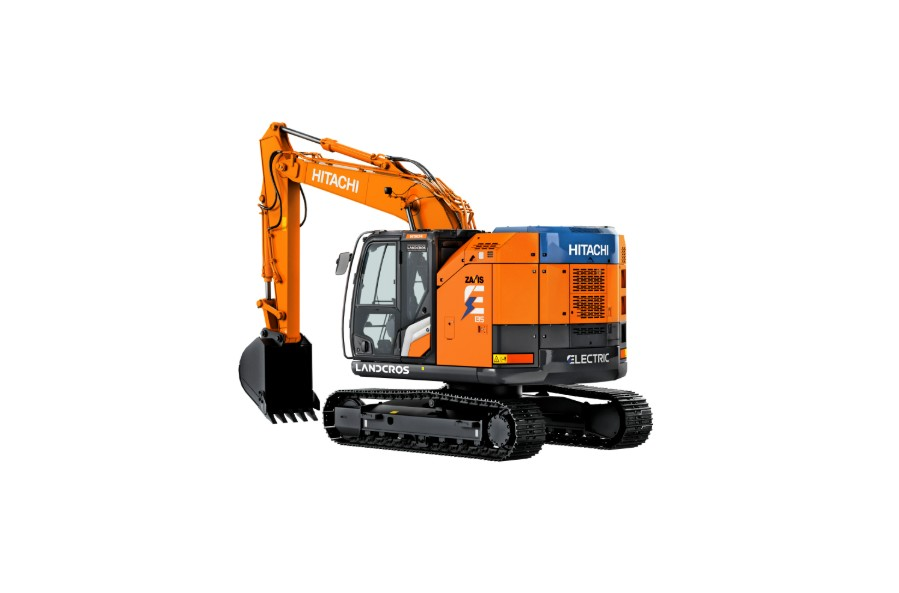
Featured image illustrates battery-powered excavator technology (Hitachi ZX135-7EB, 13 tonnes); it does not depict the Environment Agency’s 22-tonne electric excavator trial in Sussex.