IN Brief:
- South Derbyshire District Council has secured planning approval for a £59m civic and leisure hub.
- The all-electric scheme will replace Green Bank Leisure Centre and council offices.
- Enabling works are due to begin this summer, with contractors pursuing the main build package.
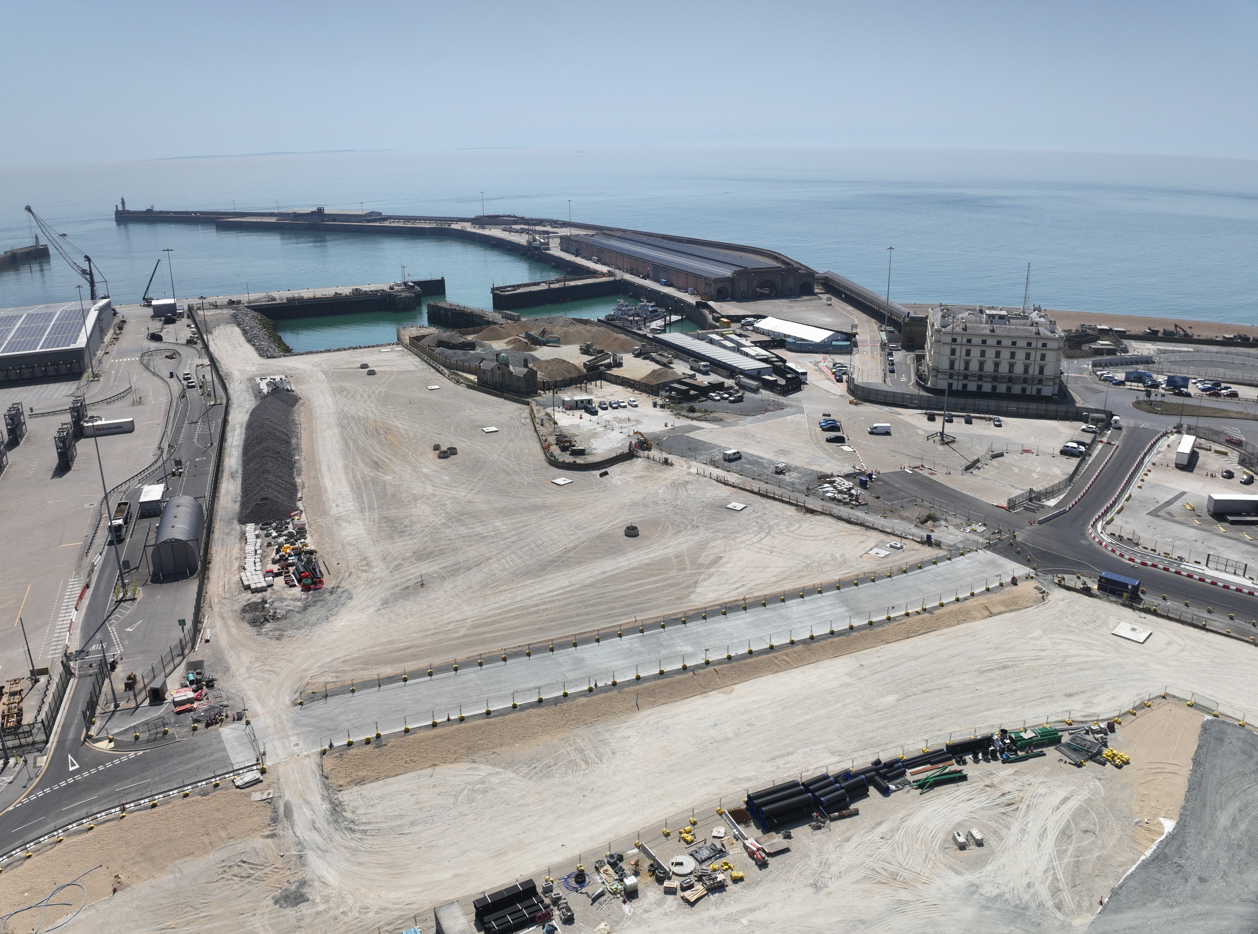
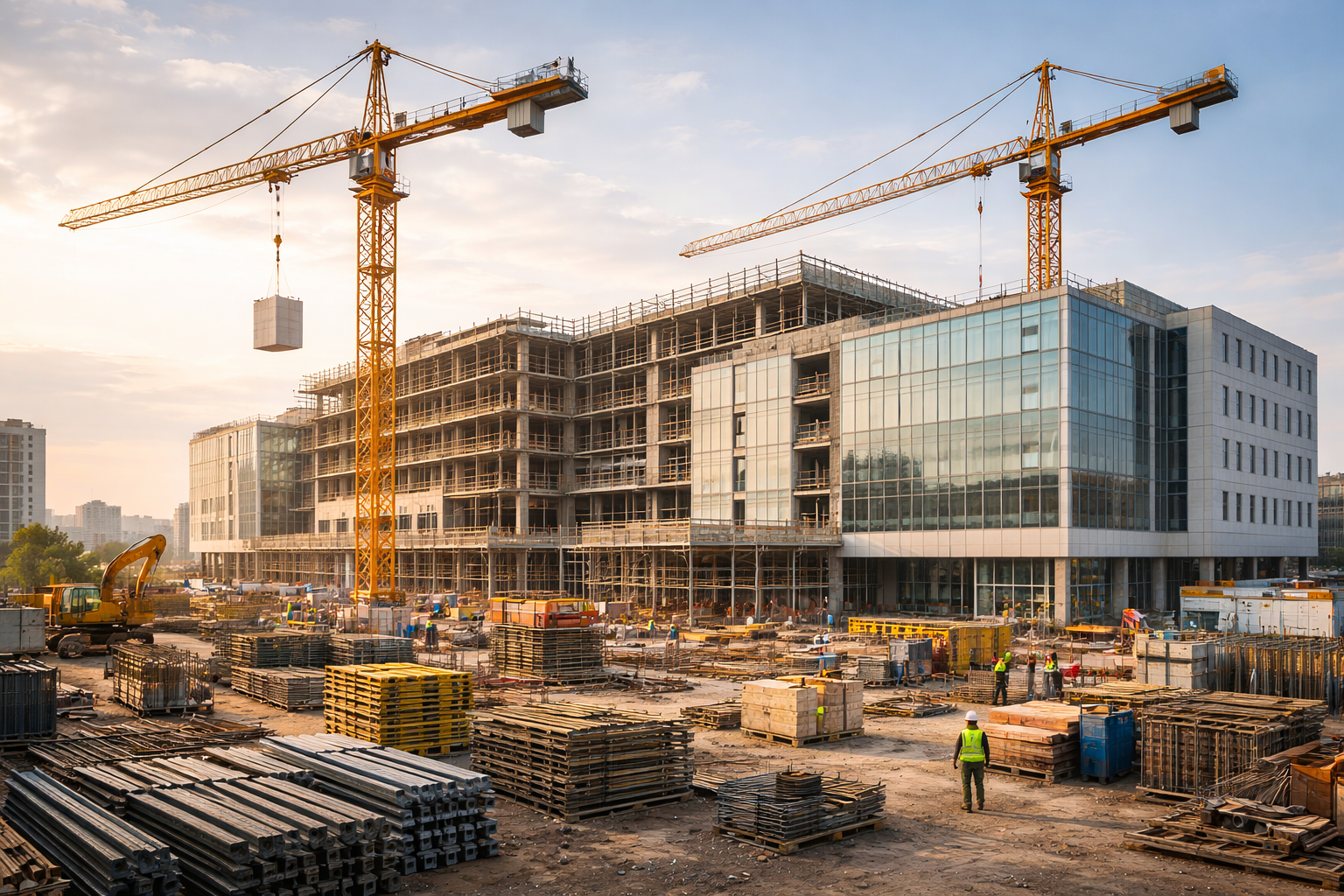
South Derbyshire District Council has secured planning approval for a £59m civic and leisure hub in Swadlincote, clearing the way for enabling works to begin this summer.
The scheme will replace the existing Green Bank Leisure Centre and council offices as part of a wider town centre regeneration programme. The project has been designed by CPMG Architects, with BAM and Bowmer & Kirkland understood to be pursuing the build contract.
The leisure element will include a six-court sports hall, two swimming pools, a fitness suite, and multi-purpose studios. New civic offices will be provided over three floors, including meeting rooms and open-plan workspace overlooking surrounding parkland.
The building will sit beside a pond, parkland, and golf course. Timber features, extensive glazing, and landscaping by Ares Landscape Architects are intended to connect the building more closely with its outdoor setting.
The hub will be all-electric and use air source heat pumps and roof-mounted solar panels. The design is expected to cut around 26 tonnes of CO2 a year, placing operational energy performance at the centre of the civic building brief.
The approval reflects a continuing shift in local authority estate projects. Councils are increasingly combining public services, leisure, workplace consolidation, regeneration, carbon reduction, and community use within single buildings, rather than commissioning separate assets for each function.
That approach can strengthen long-term value, but it also increases delivery complexity. A civic and leisure hub must support wet leisure, dry sports, office work, public meetings, community access, plant-heavy systems, and out-of-hours operation within one coordinated building.
Leisure centres are particularly demanding from a technical standpoint. Pools carry high energy and maintenance requirements, sports halls need long-span structures and robust finishes, fitness spaces require ventilation and acoustic control, and civic offices need flexible workplace systems. Bringing those functions together in an all-electric building places heavy demands on MEP design, controls, plant sizing, metering, and commissioning.
Public-sector clients are also placing stronger emphasis on whole-life cost. Capital approval is only the first test. Operating costs, maintenance access, carbon performance, user satisfaction, water use, and adaptability will determine whether the completed building performs as a long-term civic asset.
The project also shows how regeneration is moving beyond traditional retail-led town centre investment. Swadlincote’s scheme uses civic and leisure functions as anchors, reflecting the growing role of public services, health, recreation, housing, education, and employment uses in rebuilding town centre footfall.
For the successful contractor, the programme will require careful sequencing around enabling works, temporary service continuity, ground conditions, public access, neighbouring green space, and the integration of specialist leisure systems. Swimming pool construction brings additional waterproofing, humidity control, filtration, chemical storage, and plantroom coordination requirements.
With planning approval secured, procurement and programme control become the next decisive stages. The project now has a route into delivery, but the complexity of combining leisure, civic, low-carbon, and regeneration functions will shape the build from the outset.