IN Brief:
- Hybrid planning consent covers enabling works and up to c.160,000 sq m employment space.
- Outline elements target B8 logistics plus B2 and E(g) manufacturing uses.
- Infrastructure delivery, including access via the Parkside Link Road, is now the near-term focus.
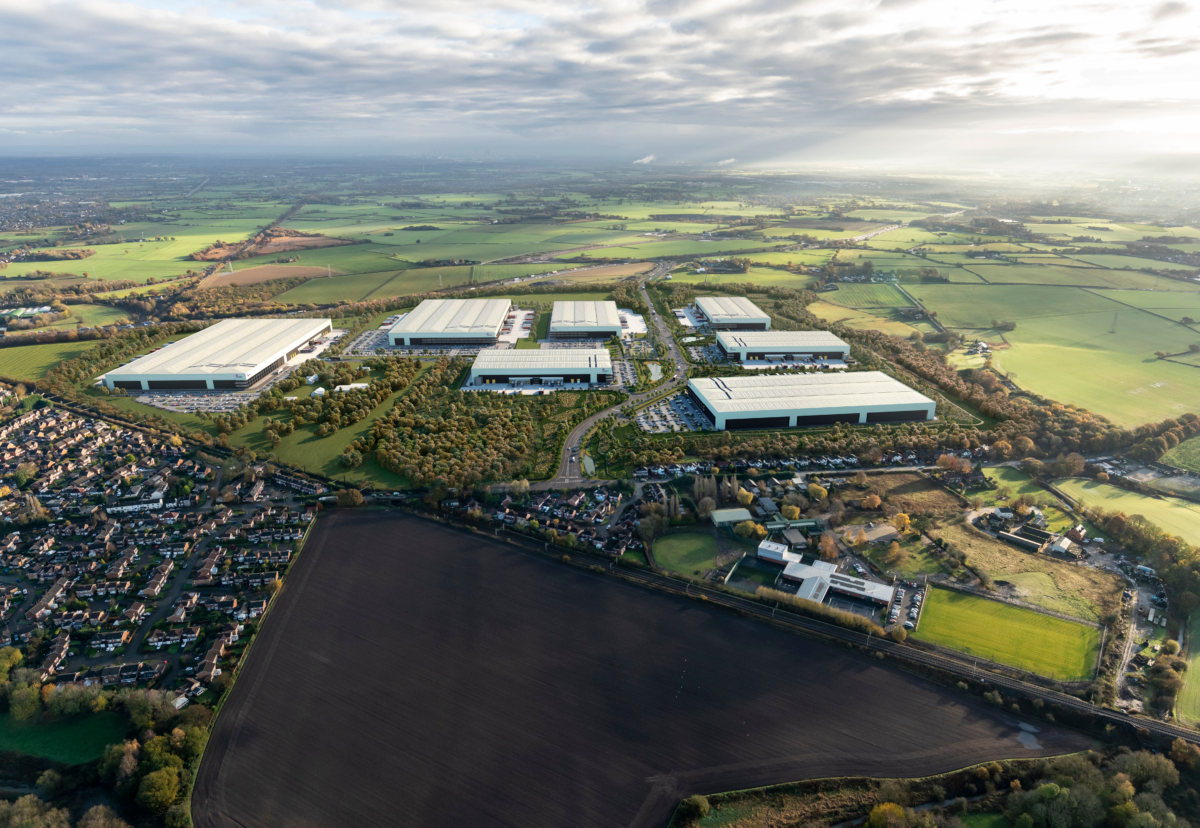
Planning permission for phase two of the Parkside Colliery regeneration in Newton-le-Willows has been agreed, moving the development into an infrastructure-led delivery phase designed to unlock the next wave of industrial and manufacturing build-out.
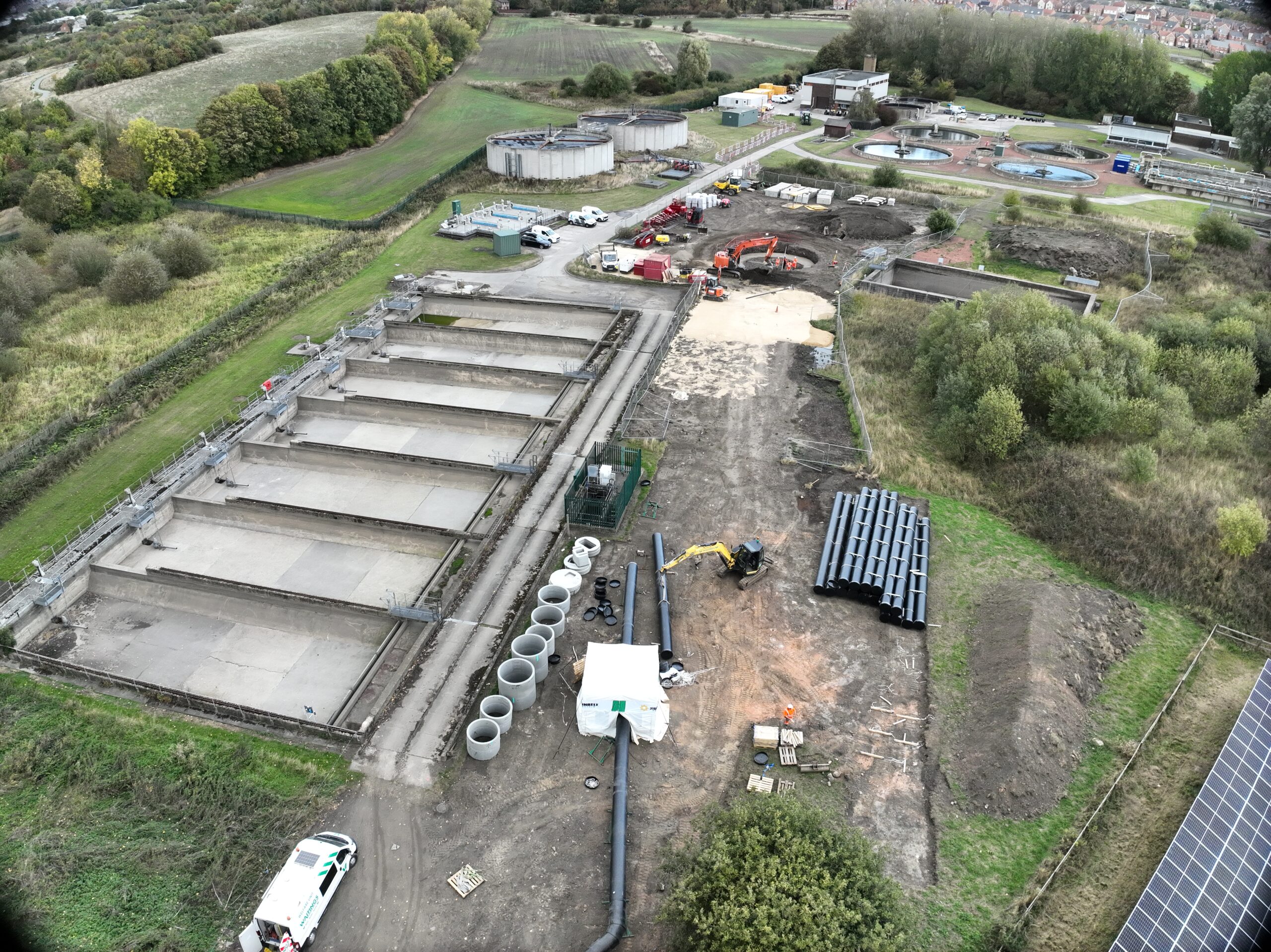
The phase-two application combines a full element for enabling and sitewide works with outline consent for new employment buildings. The enabling scope covers the type of heavy, unglamorous activity that dictates whether a brownfield scheme can move at pace — earthworks to establish development platforms, strategic drainage and groundworks, landscape planting, ecological and noise mitigation measures, and the internal circulation and servicing that turns a large parcel of land into something contractors can actually build on.
In parallel, the outline component seeks consent for employment floorspace primarily aimed at B8 logistics, plus B2 and E(g) manufacturing and industrial uses, with ancillary office space. The submitted parameters indicate up to around 160,000 sq m of floorspace, which places phase two in the same scale bracket as the UK’s larger regional shed-and-manufacturing allocations rather than a standard local employment site.
Access is tied to the Parkside Link Road, which has been positioned as the practical gateway for the western side of the wider Parkside allocation. That matters operationally because it dictates how quickly a site can support construction traffic, then HGV movements, without back-loading risk onto local roads and junction upgrades that can drag programme and budgets.
The Parkside site sits inside the Liverpool City Region Freeport geography, adding a further layer of interest for occupiers weighing total landed cost, labour access, and planning certainty. Freeport status does not build buildings by itself, but it can sharpen the commercial case for logistics and light industrial operators when combined with motorway connectivity and developable platforms on a large site.
For contractors and enabling specialists, the immediate workload is straightforward — civils, drainage, utilities interfaces, remediation, and landscape delivery — but the sequencing will be watched closely. On sites of this scale, platform creation and water management are rarely “background” items; they are critical-path activities that decide whether follow-on packages can tender cleanly and mobilise without early claims and redesign.