IN Brief:
- Around 30 new JCB machines are receiving Xwatch safety technology.
- Systems provide height and slew limiting plus rated-capacity indication for lifting operations.
- Select and Xwatch are also developing a wider telematics programme combining machine and safety data.
Select Plant Hire is fitting Xwatch safety technology to around 30 new JCB machines entering its fleet, extending electronic movement and lifting controls across excavators, site dumpers and telescopic handlers. The installations form part of a £5m JCB equipment investment announced in August.
The systems allow operators to set height and slew limits and provide rated-capacity indication when machines are used for lifting. Those functions are intended for work around overhead hazards, restricted zones and other environments where the available operating envelope is smaller than the machine’s full physical range.
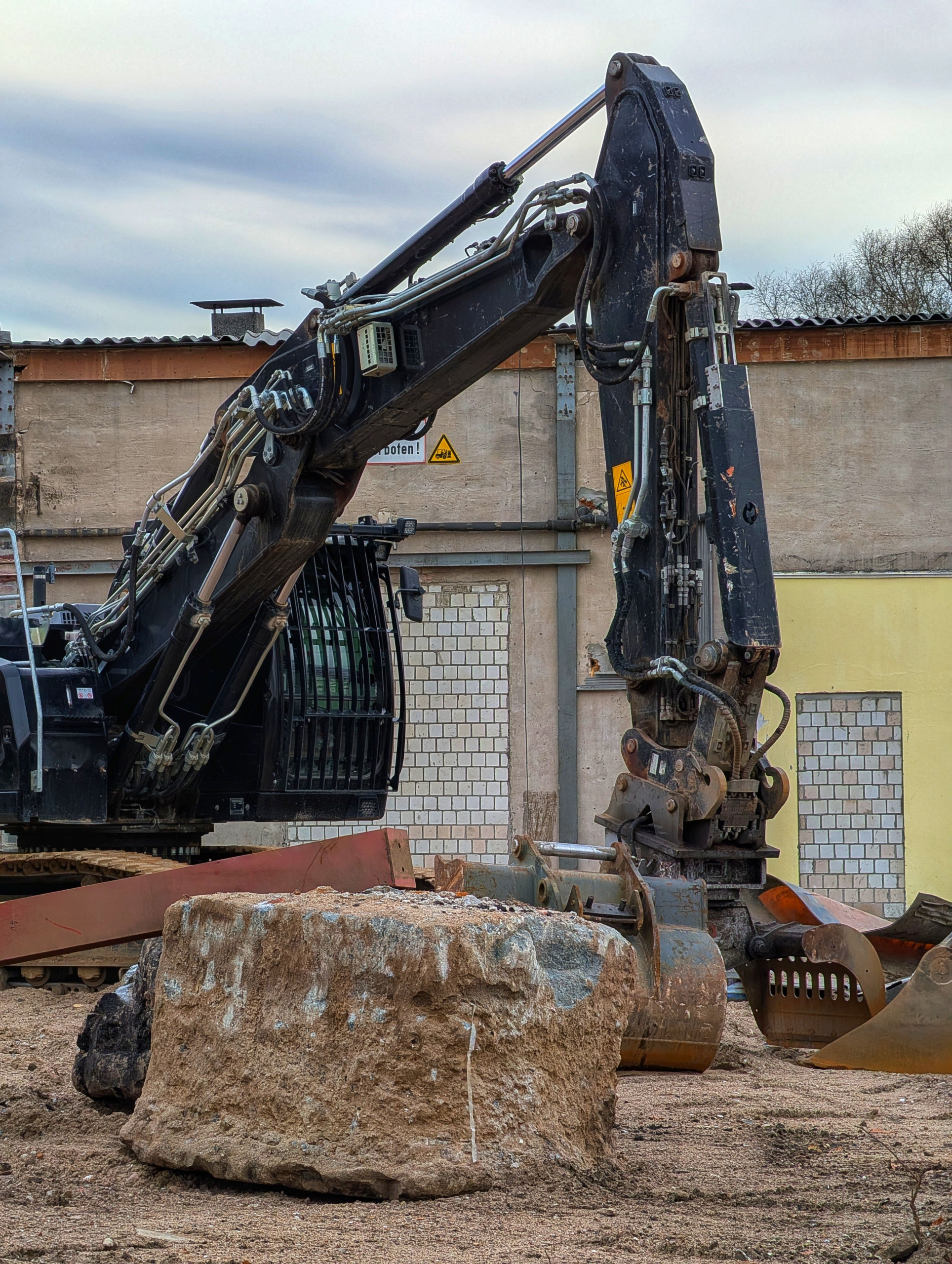
Xwatch equipment is being installed on JCB 370X tracked excavators, 245XR and 145XR reduced-tailswing excavators, 9-tonne dual-drive site dumpers and Loadall telescopic handlers. Select and Xwatch have already used the XW5 MK2 system on larger JCB X Series excavators, so the latest programme expands an existing relationship across a broader group of machines.
The underlying JCB order was supplied through Greenshields JCB and is intended to support major UK construction and infrastructure projects. Alongside the safety installations, the investment adds new earthmoving, material-handling and general site equipment to a fleet serving building, infrastructure and engineering work.
Height and slew controls are particularly relevant on constrained sites. Excavators working beneath overhead services, beside structures or within restricted zones can have electronic limits configured to prevent parts of the machine entering defined areas, adding a control beyond signs, barriers and operator judgement.
Rated-capacity indication addresses a different operating risk. Excavators and handlers are regularly used for lifting operations within their approved capabilities, but available capacity changes with configuration, reach and load position. Presenting that information to the operator provides another layer of control when machines are performing duties beyond straightforward digging or loading.
Select’s mixed fleet makes standardisation significant. Hire equipment moves between projects, operators and working environments, so the safety system has to be configurable rather than tied permanently to a single application. The latest installations cover machines with markedly different dimensions and operating characteristics, requiring the technology to be engineered for each host machine.
Warren Wilkinson, business stream leader for plant and power solutions at Select Plant Hire, said safety technology forms part of the company’s fleet investment decisions because its machines operate across a wide range of applications. He said Xwatch had become a valued part of that process alongside the service and support required to keep equipment working.
The relationship is also expanding beyond physical movement limits. Xwatch is working with Select on a wider telematics programme using its XW-Insite platform, which combines machine and safety information including location, operating hours, fuel use, productivity, carbon-dioxide data, geofencing, faults and safety-system settings.
Bringing those datasets together changes how the safety equipment can be managed. A movement-limiting system normally provides an immediate control at machine level; combining it with fleet telematics gives plant managers visibility of settings and operation across machines that may be dispersed between multiple sites.
The practical value will depend on how that information is used. Location and operating hours can support allocation and maintenance, while fault data and safety settings provide another source of information for engineering teams. Geofencing can also indicate whether equipment remains within planned working areas.
The technology does not replace site planning, exclusion zones or operator competence. Its role is narrower: adding configurable electronic controls to machines already working within those arrangements. That distinction is important where safety systems are marketed alongside broader digital platforms, because the physical site controls and the machine-level technology still have to work together.
Select’s £5m JCB order provides the scale for that integration. Rather than adding the equipment to a handful of specialist machines, the current programme spreads it across several common fleet types as they enter service.
The next stage will be the wider use of the resulting machine and safety data once the new units are operating across projects. If XW-Insite is adopted across more of Select’s mixed fleet, the company will have a common digital layer covering utilisation and safety configuration alongside the physical systems installed on individual machines.