IN Brief:
- Herefordshire Council says Morgan Sindall Construction’s Central team will deliver the Aylestone School expansion.
- Its formal award decision records a £12.067m JCT Design & Build contract with Overbury plc within the £13.6m programme.
- The scheme adds 300 pupil places, with the first enlarged Year 7 intake planned for September 2028.
Morgan Sindall Construction has been named by Herefordshire Council as the delivery team for the £13.6m expansion of Aylestone School in Hereford, increasing capacity by 300 pupils. The scheme will add a two-storey teaching block and sports hall while remodelling existing facilities and improving access around the site.
The permanent expansion will create space for an additional 60 pupils in each year group, with the first enlarged Year 7 intake planned for September 2028. The project responds to demand for secondary-school places in the north of Hereford and follows the council’s original decision to expand the school in 2023.
Herefordshire Council’s public announcement names Morgan Sindall Construction’s Central team as the contractor carrying out the building works. A separate formal award decision published by the authority records the JCT Design & Build contract against Overbury plc at £12,067,028.21, including work undertaken under the pre-construction services agreement.
Overbury and Morgan Sindall Construction are separate operating businesses within Morgan Sindall Group. The council’s project announcement continues to identify Morgan Sindall Construction as the delivery team, while the formal procurement record identifies the legal contracting entity. Recording both positions avoids obscuring the distinction between the public-facing project team and the entity named on the contract award.
The wider £13.6m funding envelope includes more than the main design-and-build contract. Herefordshire’s published breakdown allocates £665,228.26 to pre-construction services, £471,148.63 to refurbishment works and £17,358.99 to early enabling works, with the core construction element listed at £10.913m. Professional fees and surveys account for £1m, with internal charges and a council contingency making up the balance.
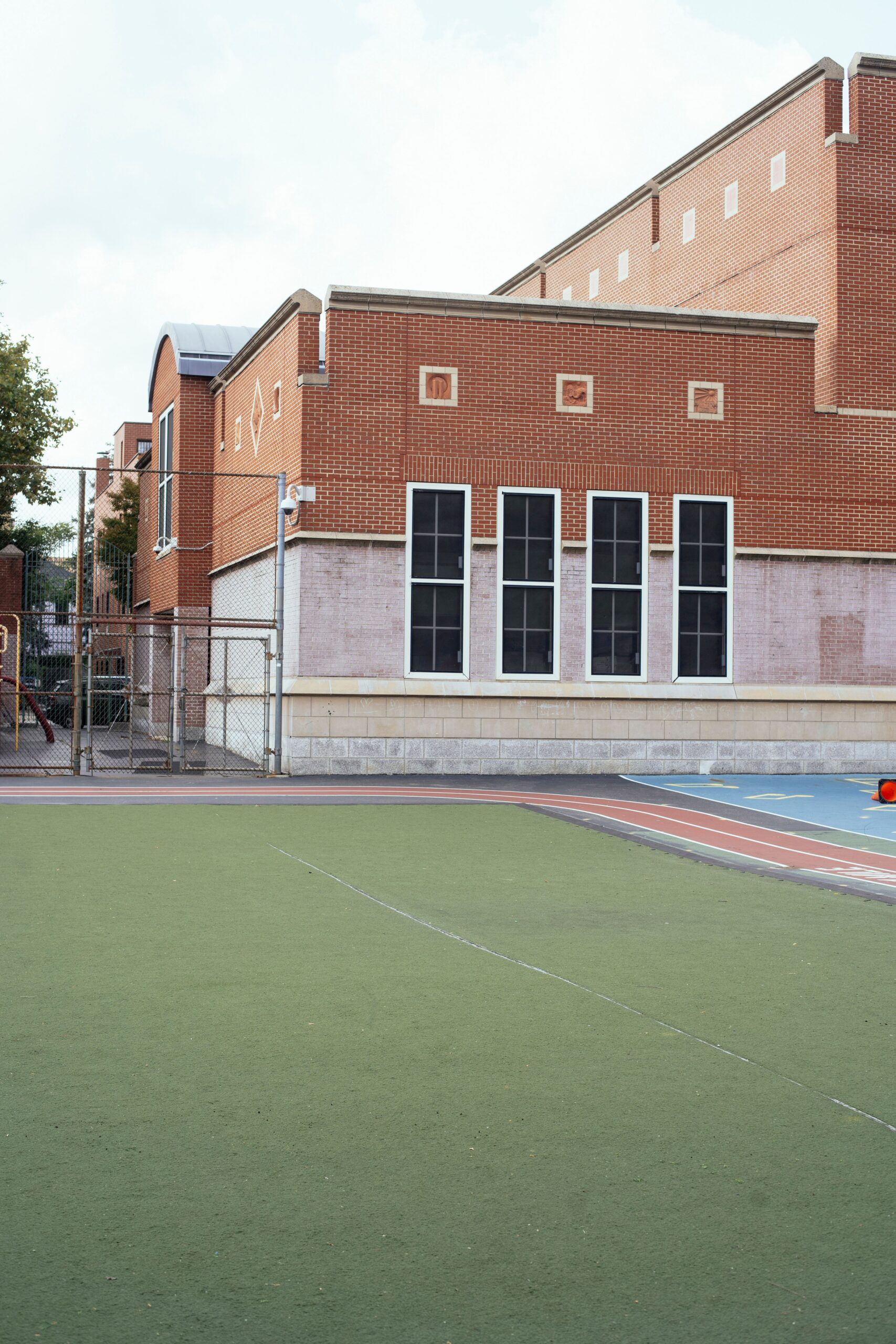
The new-build scope includes a sports hall with changing facilities and a two-storey teaching block containing six classrooms, a music room and practice spaces. Existing accommodation will also be remodelled, while external works include a widened access route and a new drop-off and pick-up area.
Delivering that programme on an operational school site brings constraints that do not appear in the headline floor area. Construction traffic, temporary routes, safeguarding, noise and separation between pupils and building operations all have to be managed while teaching continues, with major disruptive activities likely to be influenced by term dates and holiday periods.
Pre-construction work is therefore a substantial part of the programme rather than an administrative step before site mobilisation. Surveys, logistics, design coordination and phasing have to establish how new buildings will connect to the existing estate, which parts can be remodelled while occupied and how temporary arrangements will operate until the expanded facilities are handed over.
The project will increase capacity without creating a separate campus. New teaching accommodation is being combined with remodelling of the existing school, allowing Herefordshire Council to expand the number of places while retaining existing infrastructure and services where practical. The sports hall adds a major standalone facility alongside the classroom provision.
The contract was procured through the Procure Partnerships Framework’s West Midlands £5m-to-£15m construction band. Overbury had previously been appointed for pre-construction services through the same framework, providing continuity into the design-and-build award while the council developed the final scope and budget.
Headteacher Simon Robertson said the school would work with the project team to minimise disruption and expects the completed facilities to be available for the autumn 2028 term. That timetable leaves the contractor and client roughly two academic years to complete construction, refurbishment, commissioning and preparation before the additional Year 7 places are required.
Education projects of this type are increasingly delivered as extensions and phased estate upgrades rather than entirely new campuses. That puts greater emphasis on occupied-site logistics and the interfaces between new and existing fabric, particularly where access improvements and internal remodelling are being delivered alongside a major new teaching block.
Aylestone now moves from pre-construction and contract award towards site delivery with a defined £13.6m programme and a capacity target tied to September 2028. The next milestone will be mobilisation of the main works and the sequencing of construction around an operational school, with the intake deadline providing a fixed endpoint for the programme.