IN Brief:
- The Carlisle station is designed to refuel 14 HGVs simultaneously and handle more than 800 vehicles a day.
- CNG Fuels will own and operate the site, with commercial operation planned for the first half of 2027.
- Carlisle, Magor, and Swindon will take CNG Fuels' planned network capacity close to 14,000 HGVs a day.
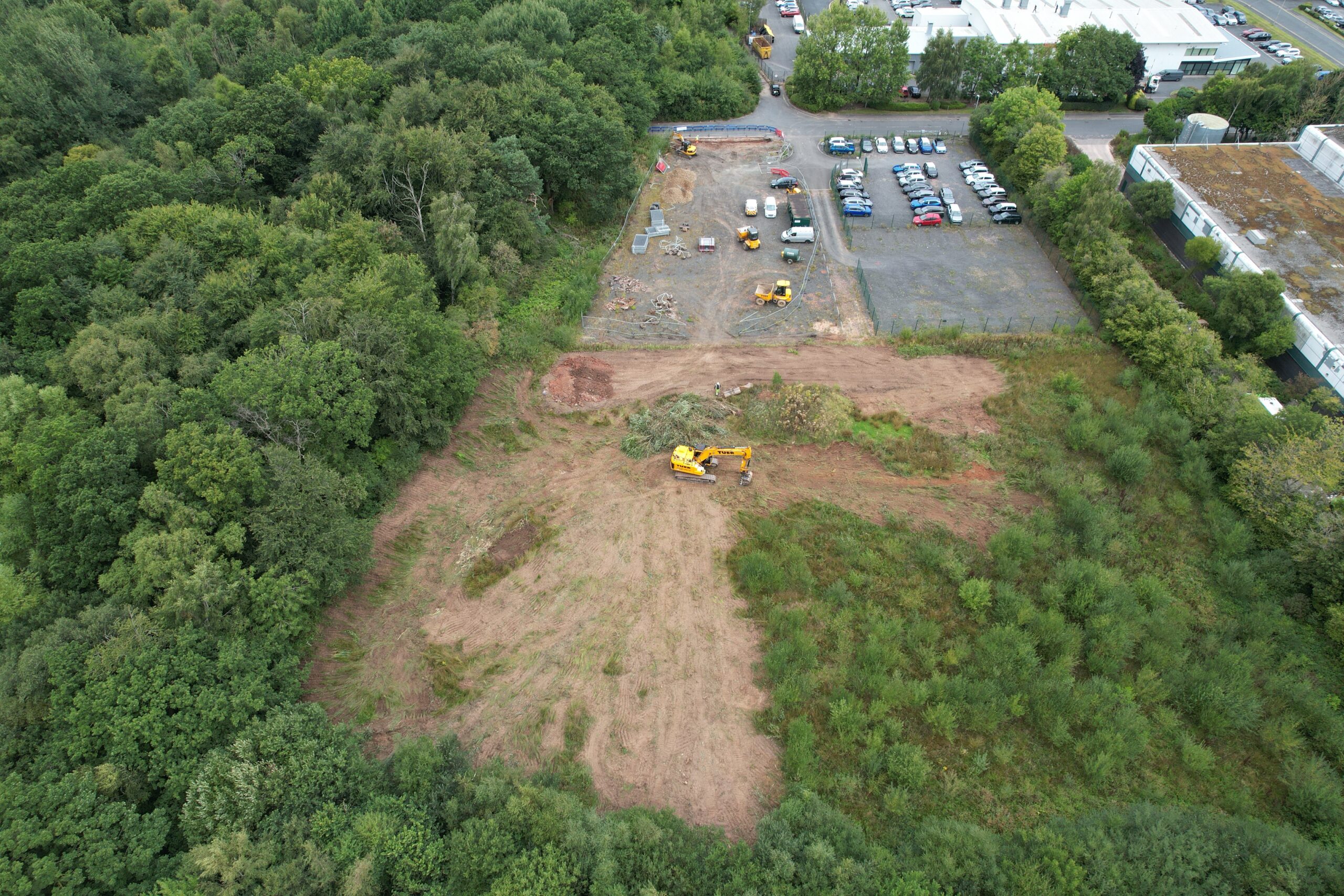
ReFuels has started construction of a Bio-CNG refuelling station in Carlisle, extending the CNG Fuels network towards one of the main freight corridors linking northern England and Scotland. The site is expected to become operational during the first half of 2027 and will be owned and operated by CNG Fuels, in which ReFuels holds a 40% stake.
The Carlisle facility is being developed close to major logistics activity, including DPD’s local delivery operation, and is intended to serve regional and long-distance fleets. At full utilisation, it will be capable of refuelling 14 heavy goods vehicles simultaneously and handling more than 800 trucks a day. ReFuels puts annual dispensing capacity at more than 30 million kilograms of renewable Bio-CNG.
The location fills a gap towards the northern end of Britain’s alternative-fuel refuelling network. A station around Carlisle can support freight moving between England and Scotland without requiring operators to divert substantially from established trunk routes, an important consideration where vehicle utilisation, delivery slots, and drivers’ hours are tightly managed.
CNG Fuels currently operates 16 UK stations, where ReFuels says more than 2,250 trucks refuel each day. Existing network capacity exceeds 11,500 trucks a day, while stations at Magor in South Wales and Swindon are also under construction. Once those two sites and Carlisle are operating, expected capacity rises to close to 14,000 HGVs a day and around 460 million kilograms of Bio-CNG annually.
High throughput shapes the site design
Commercial refuelling infrastructure has to be designed around vehicle movement as much as fuel technology. Heavy goods vehicles need larger turning radii, queuing space, clear entry and exit routes, and safe separation between vehicles, equipment, and personnel. A forecourt intended to handle hundreds of trucks each day therefore becomes a substantial civil and logistics project before the gas installation itself is considered.
The planned 14-vehicle simultaneous refuelling capacity reinforces that point. Storage, compression, dispensing equipment, protection systems, utilities, drainage, surfacing, and traffic circulation all have to work together if the station is to achieve its nominal throughput. A poorly configured approach road or queuing area could constrain daily capacity even where the fuelling equipment performs exactly as designed.
Construction sequencing also depends on interfaces that are less visible than the groundworks. Gas infrastructure, electrical supplies, controls, communications, certification, and commissioning must be ready in the correct order, and a physically complete forecourt cannot accept commercial traffic until those systems have been tested and approved. The final stages of the programme can consequently carry as much operational risk as excavation and concrete work at the start.
Network location matters because alternative-fuel vehicles are only useful where operators can incorporate refuelling into normal routes. Additional mileage, waiting time, or unreliable access can erode both the financial and emissions case for changing fuel. ReFuels is therefore expanding through a series of relatively high-capacity nodes rather than attempting to reproduce the density of conventional filling stations immediately.
Carlisle also connects the construction of new fuel infrastructure with the construction supply chain using it. Hauliers serving major building and infrastructure projects increasingly encounter contractual or planning requirements around transport emissions, particularly on large urban schemes. A wider network of commercial Bio-CNG stations gives operators another option when specifying vehicles for material deliveries, muckaway, plant movements, and other heavy transport.
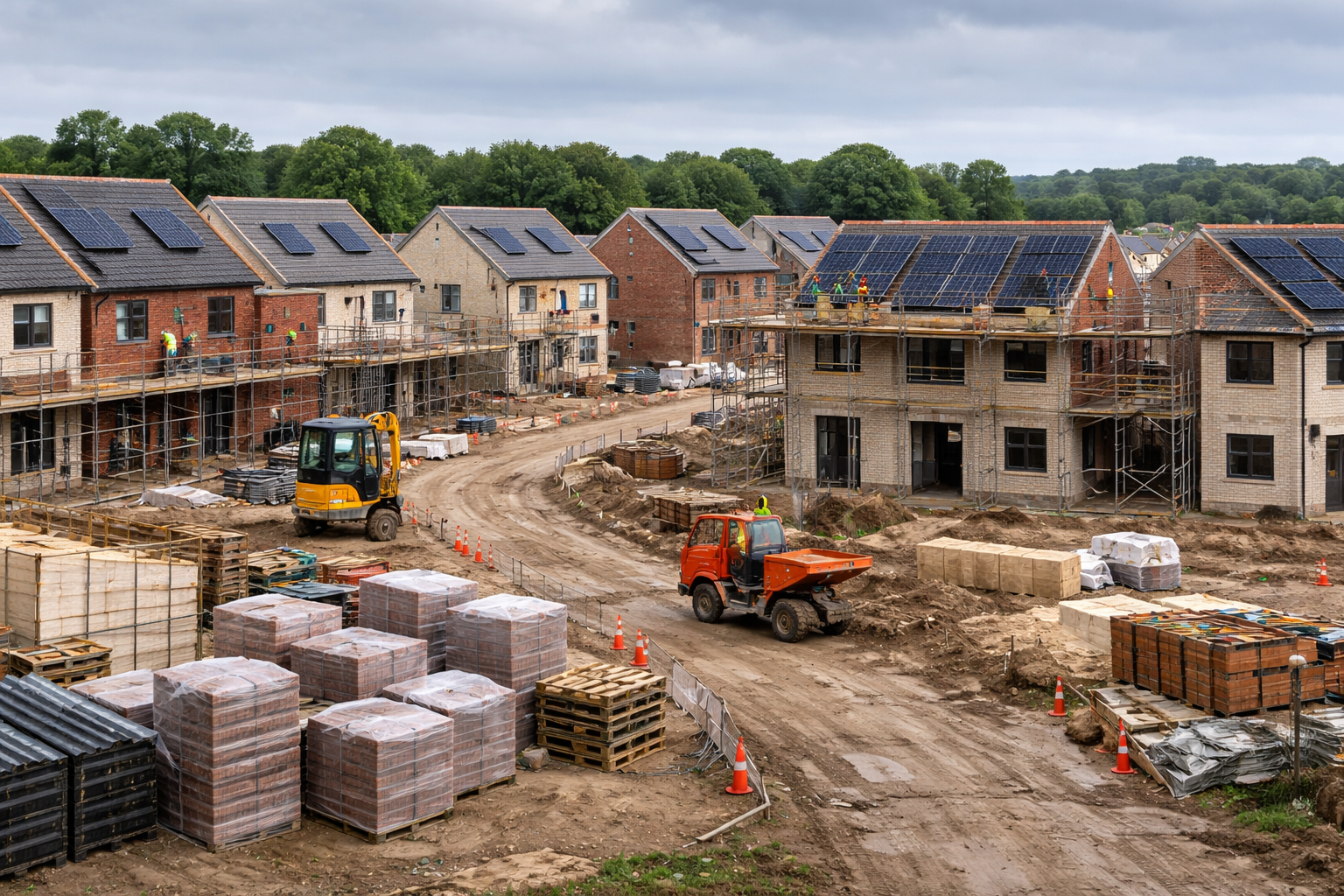
The same network expansion generates a construction programme of its own. Each location requires site preparation, drainage, hardstanding, utilities, containment, mechanical and electrical work, safety installations, control equipment, and final commissioning. Repeating that process across multiple locations can bring some standardisation, but individual sites still carry different ground conditions, utility constraints, planning requirements, and traffic layouts.
ReFuels is targeting installed capacity for close to 20,000 HGVs a day by the end of 2028. Reaching that figure depends on turning proposed locations into commissioned stations quickly enough to match fleet adoption, rather than simply increasing the number of points shown on a development map. Carlisle has now entered that delivery phase, with the civil works under way and an operational target set for the first half of next year.
The next measure of progress will be less dramatic than the start of construction. Utilities, equipment installation, testing, and commissioning will determine when trucks can actually use the site, and those interfaces will decide whether the planned capacity is available when operators expect it. For commercial fleets, an alternative-fuel network becomes useful only when completed stations are positioned on the routes they already run.