IN Brief:
- Fingal County Council scheduled construction to begin on 24 August following planning and procurement.
- Works include bulk earthworks, drainage, utility alterations, an eight-lane athletics track, and synthetic sports pitches.
- Public and club access will remain during construction, requiring continuing traffic and pedestrian-management measures.
Construction has started on the Rathmore Park Recreational Sports Hub in Lusk, County Dublin, moving a long-planned community development into a civil-engineering programme covering earthworks, drainage, utilities, sports surfaces, transport infrastructure, and landscaping.
Fingal County Council scheduled work to begin on 24 August after completing the planning and procurement stages. The development will add new athletics and field-sport facilities within Rathmore Park while maintaining access to existing clubs and parts of the public open space during construction.
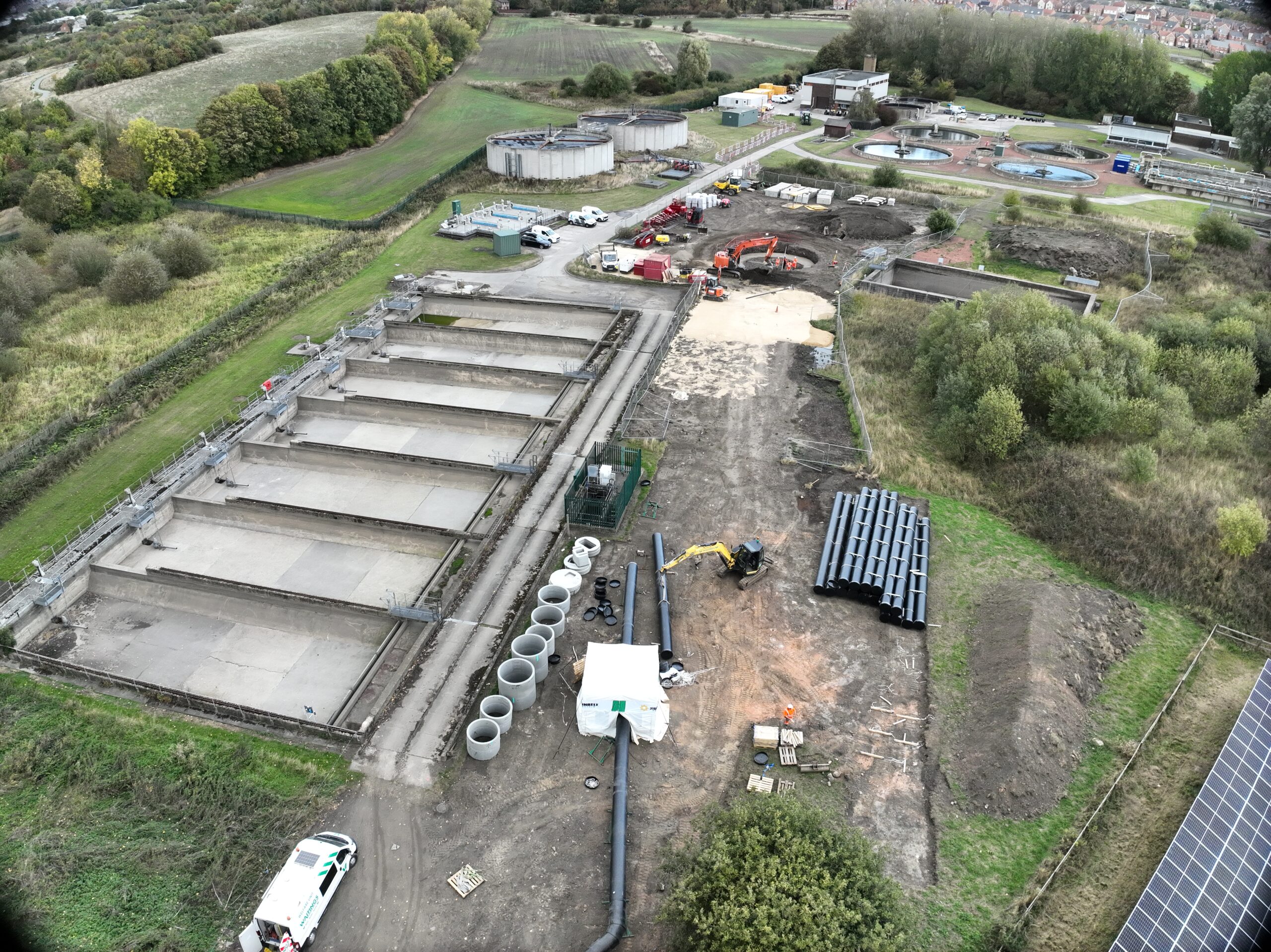
The early works include bulk earthmoving, new drainage, watermain installation, and diversion of a Gas Networks Ireland main. Those operations establish the levels, underground services, and formation required before the finished sports infrastructure can be installed.
The completed hub is planned to include an eight-lane floodlit athletics track designed to World Athletics requirements, an all-weather synthetic soccer pitch, and a GAA training pitch. Covered cycle parking, electric-vehicle charging, additional car parking, and landscaping are also included.
Although the finished development will be used primarily for recreation, its construction sequence resembles a compact infrastructure project more than a conventional building contract. The largest early risks sit below ground and beneath the eventual playing surfaces rather than in a visible superstructure.
Drainage is particularly important. Synthetic pitches and athletics surfaces depend on stable sub-bases, accurately controlled levels, and predictable water management if they are to maintain performance through repeated use and prolonged wet weather.
Errors at formation level can be expensive to correct once specialist surfacing is installed. Groundworks therefore have to deliver the tolerances required by the later track and pitch contractors rather than merely provide a generally level platform.
Utility alterations add another coordination problem. Watermain installation and gas-main diversion must be sequenced around excavation, earthworks, drainage, and existing access, with service conflicts resolved before permanent surfacing closes off the work areas.
The site will remain partly active throughout construction. Public access to the northern part of Rathmore Park is being retained through an existing pedestrian route, while access arrangements for Lusk United AFC will continue during the works.
That requirement makes temporary works and traffic management part of the core construction programme. Plant movements, deliveries, excavation, and utility work have to be separated from park users, club members, pedestrians, neighbouring schools, and other community activity.
Fingal has said traffic and pedestrian-management arrangements will remain in place for the duration of construction. Those arrangements are unlikely to remain static because exclusion zones and access routes will need to change as the project moves from earthworks and buried services into sports surfaces, parking, lighting, and landscaping.
The athletics track introduces its own specialist requirements. Geometry, levels, drainage, surfacing, lane dimensions, and lighting all have to comply with the specification if the completed facility is to perform consistently and support the standards expected of organised athletics.
The same principle applies to the synthetic pitches. Their visible playing surfaces represent the final layer of a much deeper construction build-up involving excavation, drainage, sub-base material, shock-absorbing or engineered layers where specified, edging, fencing, and associated services.
EV charging and covered cycle parking broaden the project beyond sports construction. Charging equipment requires electrical capacity, cabling, ducting, foundations, protection, and coordination with the car-park layout before final paving is completed.
Lighting brings another electrical package, particularly around the athletics track and pitches. Column foundations, cable routes, distribution equipment, controls, and testing have to be coordinated with drainage and surfacing work to avoid later excavation through completed areas.
The project also forms part of a wider pattern of infrastructure demand around rapidly growing communities in north County Dublin. Residential growth increases pressure not only on housing but on schools, roads, utilities, recreation facilities, drainage, and public open space.
Local-authority capital programmes therefore depend on construction projects that are individually modest compared with major transport or commercial schemes but collectively determine whether expanding communities receive the physical infrastructure needed to function.
Rathmore Park had already secured planning approval before the current mobilisation, while Fingal’s capital programme identified construction across 2026 and 2027. The 24 August start is therefore a genuine delivery milestone rather than another restatement of the approved scheme.
The next meaningful progress will be below ground. Drainage, utility alterations, and bulk earthworks need to be completed successfully before the specialist track, pitch, electrical, parking, and landscape packages can follow.
For the eventual users, much of that work will disappear beneath the finished development. For the contractor, it is the part of the programme that will largely determine whether the visible sports facilities arrive on time, drain correctly, meet specification, and remain serviceable after the opening photographs have been taken.