IN Brief:
- The HR21 H2E combines Niftylift’s 20.8m electric boom with an onboard hydrogen fuel-cell charging system.
- Hydrogen-electric capability can be retrofitted to existing HR15E and HR17E machines.
- The HR22SDE uses a diesel-electric arrangement to extend battery-driven operation on a larger telescopic platform.
Niftylift has expanded the detail around its hydrogen-electric access-platform programme, adding retrofit capability for existing electric boom lifts as it prepares to show the HR21 H2E and a larger diesel-electric telescopic model publicly in September.
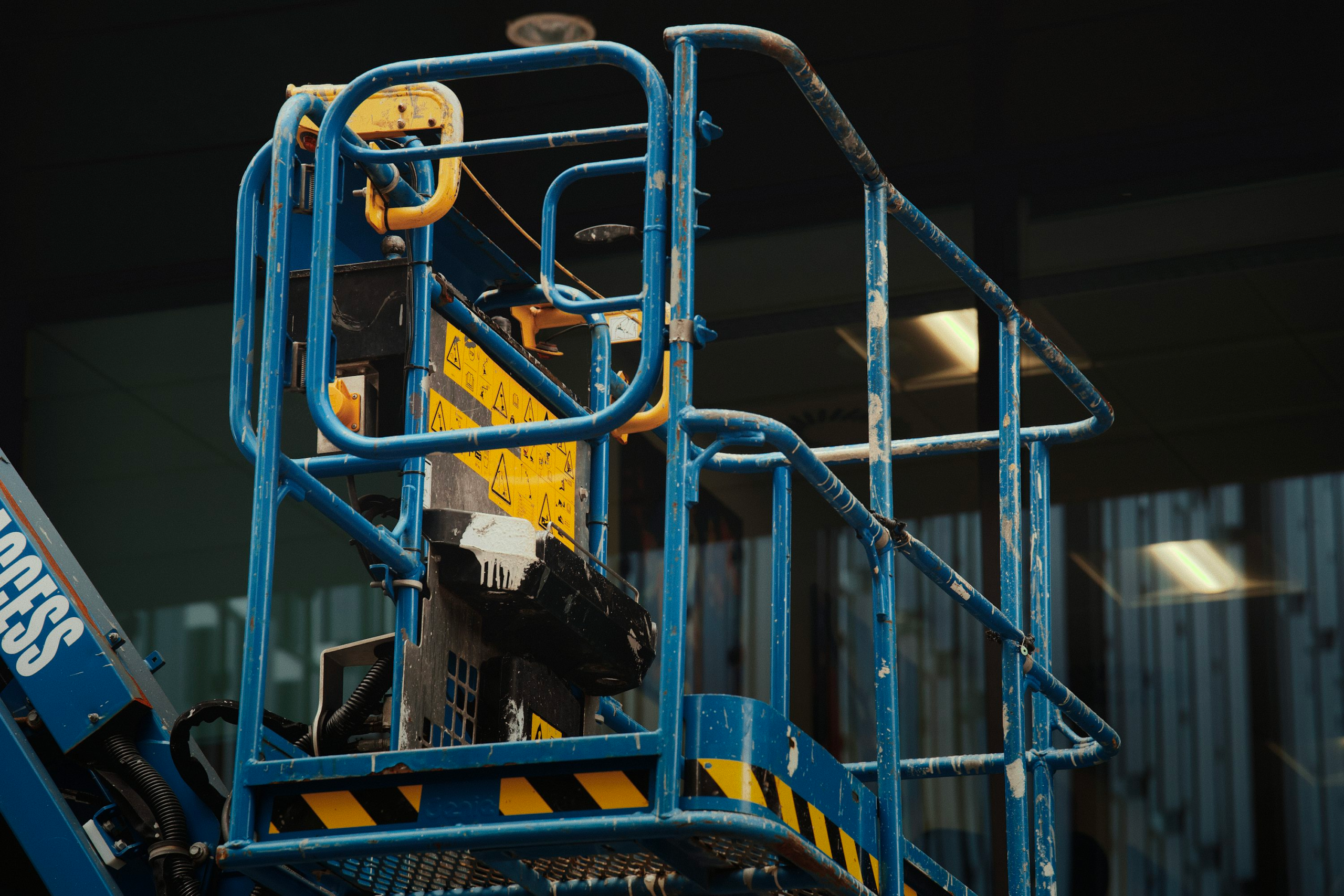
The HR21 H2E is based on Niftylift’s established HR21E platform, retaining a 20.8m working height, 13m outreach, and 250kg safe working load. The underlying machine remains electrically driven, with the hydrogen fuel-cell system used as an onboard means of recharging the batteries rather than as a direct propulsion system.
Niftylift first previewed the HR21 H2E on 3 August ahead of Vertikal Days. The subsequent product detail is therefore best understood as an expansion of the power strategy rather than a first launch, with the company now setting out how hydrogen-electric capability can also be retrofitted to existing HR15E and HR17E machines.
The manufacturer’s system uses a replaceable G20 hydrogen bottle feeding a fuel cell that charges the battery pack. Niftylift says one bottle can provide a full recharge and approximately double the machine’s available operating range, giving contractors another option where reliable mains charging is not available at the point of use.
That distinction matters on construction sites because the machine still behaves as an electric boom during operation. Noise and local exhaust emissions remain low, while the fuel cell acts as a range extender that reduces dependence on moving the platform back to a fixed charging point.
The strongest use case is likely to be work where electric machines are desirable but temporary power is unreliable, remote, or heavily shared. Façade, industrial, logistics, fit-out, infrastructure, and maintenance projects can require mobile elevating work platforms to move repeatedly across large sites, making charging logistics part of equipment planning rather than an afterthought.
Retrofit capability may be more commercially important than the factory-fitted option. Rental fleets hold access platforms for years, and replacing otherwise serviceable electric machines solely to adopt a different energy system would add capital cost and embodied carbon while leaving usable assets stranded.
A retrofit route allows fleet operators to add range-extending capability selectively to machines that are likely to work on projects where charging is genuinely constrained. That keeps adoption tied to utilisation rather than turning an alternative-power system into a blanket specification regardless of whether a site needs it.
The HR21E base platform weighs 6,640kg and has a 3.89m outside turning radius, 25% gradeability, and a 1.8m-wide platform. Niftylink telematics is fitted as standard, allowing the hydrogen option to sit within an existing operating and fleet-management environment rather than requiring an entirely new machine class.
Niftylift is also extending hybridisation in another direction with the HR22SDE telescopic boom. That model retains the 21.7m working height, 18.8m unrestricted outreach, and 280kg safe working load of the electric HR22SE, while an engine is used to recharge the batteries rather than mechanically drive the platform.
The two systems address the same practical problem with different fuels: fully electric construction equipment works best when charging infrastructure, duty cycle, and site logistics align, but temporary projects do not always provide those conditions. An onboard charging source can preserve electric traction without making the machine dependent on a fixed electrical connection throughout the working week.
Hydrogen does not remove the need for energy planning. Bottles require an appropriate supply chain, storage, handling procedures, and trained operators, while the cost and carbon case depends heavily on how the hydrogen has been produced and transported.
Point-of-use zero emissions should therefore not be confused with zero whole-life emissions. A fuel-cell range extender can improve local air quality and reduce noise around the machine, but project-level carbon reporting increasingly requires contractors to consider upstream energy production as well as what comes from the exhaust on site.
Rental utilisation will determine whether the system becomes a practical fleet tool. Alternative-power equipment has to generate enough hire demand to justify the additional hardware and support requirements, and contractors need confidence that hydrogen supply will be available when the machine reaches a project.
The retrofit option improves that calculation because it allows existing electric assets to be upgraded rather than replaced. It also gives rental companies a way to test customer demand on a limited number of machines before committing a larger proportion of the fleet.
Niftylift will show the HR21 H2E and HR22SDE at Vertikal Days on 9 and 10 September at Newark Showground. The machines will then face the more useful test of whether contractors and rental businesses see the charging flexibility as worth the added fuel logistics.
The engineering itself is relatively straightforward to describe: an electric boom gains an onboard source of battery charging. The commercial question is harder. Hydrogen-electric access equipment will move beyond specialist use only if the supply chain, retrofit cost, and day-to-day operation become ordinary enough that site managers choose the machine for productivity rather than for the novelty of its power source.