IN Brief:
- The £3.6m restoration will run from August 2026 until May 2027.
- Work includes masonry repairs, steelwork repainting, structural strengthening, and replacement GRP parapets.
- Heritage and ecological requirements will influence access, sequencing, and temporary works across the 23-span structure.
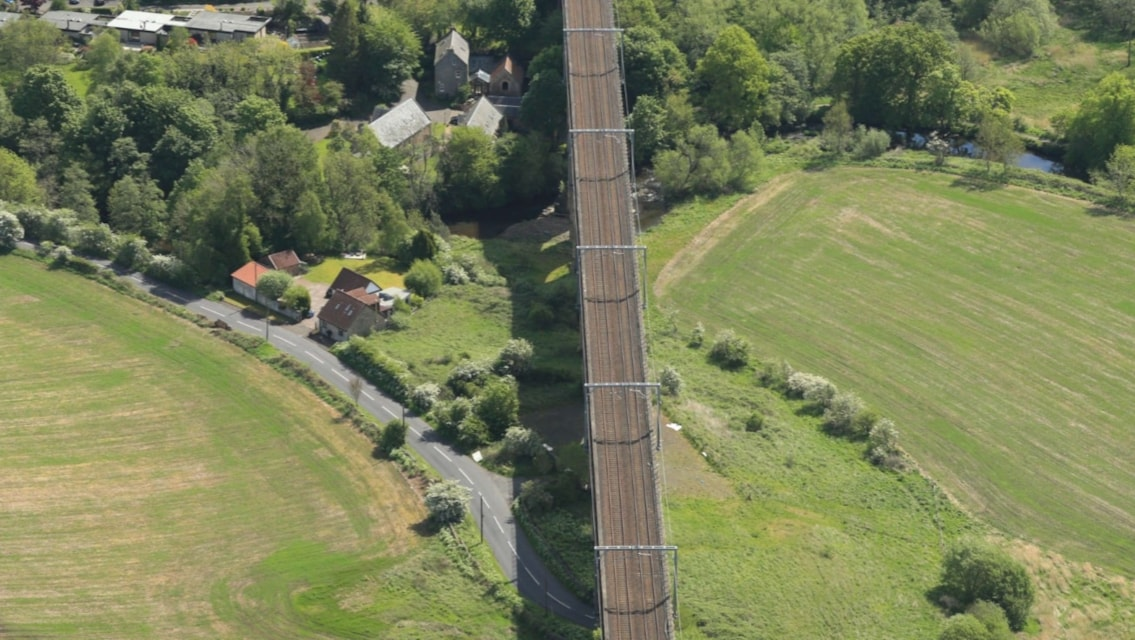
Network Rail has started a £3.6m restoration programme at Avon Viaduct near Linlithgow, beginning a nine-month package of masonry, steelwork, strengthening, and parapet works on the listed railway structure.
Network Rail expects to complete the programme by May 2027. The 23-span viaduct carries the railway across the River Avon between West Lothian and Falkirk, placing the project at the intersection of operational infrastructure, heritage conservation, and an environmentally sensitive river corridor.
The principal scope includes masonry repairs, repainting steelwork, structural strengthening, and replacing the existing metal parapet handrails with glass-reinforced polymer units. Each intervention addresses a different maintenance requirement, making the programme more substantial than a conventional surface-treatment contract.
Masonry repairs will focus on preserving the historic fabric while restoring weather protection and structural integrity. Open joints, local deterioration, and water penetration can accelerate damage across older structures, particularly where masonry surrounds steel elements or supports areas exposed to repeated saturation.
Heritage requirements shape the engineering programme
Steelwork repainting will depend heavily on surface preparation. New protective coatings only perform when corrosion, contamination, and loose existing material have been removed to the specified standard, while the completed system must be inspected before access equipment and environmental controls are dismantled.
That process becomes more complicated above a river and beside an operational railway. Preparation debris and coating materials must be contained, while crews need safe access to steel members distributed across a long, multi-span structure. The access system must also allow inspection of completed work without obstructing trains or placing unnecessary loads on the historic fabric.
Structural strengthening extends the programme beyond routine maintenance. Existing members, connections, or supporting elements will be reinforced where repairs alone would not provide the required long-term performance, with new work designed to transfer loads without creating excessive local stress or trapping moisture against retained materials.
The replacement of metal handrails with glass-reinforced polymer parapets introduces a modern material to the listed viaduct. GRP offers resistance to corrosion and reduces the requirement for repeated repainting, while its relatively low weight can simplify handling and limit the additional load placed on the structure.
Those benefits still depend on the quality of the fixing design. Parapets must resist operational and accidental loads, while their connections need to avoid damaging the existing edge structure or allowing water to enter vulnerable interfaces. Their appearance must also remain compatible with the viaduct’s listed status.
Network Rail has worked with local authorities and environmental specialists while preparing the scheme. Heritage considerations restrict the use of blunt replacement solutions, requiring repairs to retain the character of the structure while meeting current operational, safety, and maintenance requirements.
Ecological surveys have identified nesting birds and bats as species requiring protection. Mitigation measures may affect work areas, lighting, access, noise, and the timing of activity around sheltered parts of the structure, particularly where cavities or ledges provide potential habitat.
The viaduct’s 23 spans create a sizeable temporary-works and logistics challenge. Access must reach masonry faces, steel components, parapets, and strengthening locations without allowing tools or debris to fall towards the river, railway, roads, or neighbouring land.
Different access methods may be required across the structure because the height, ground conditions, water, and surrounding terrain vary from span to span. The construction sequence will need to balance the efficient movement of crews and materials against the cost of repeatedly altering scaffolding or specialist access systems.
Work close to the railway will also have to be coordinated with operational restrictions. Certain activities may be possible while trains continue to run, while others will require protected access or possessions, particularly where lifting, work above the track, or interference with railway clearances is involved.
The programme runs through the winter and into spring 2027. Weather will influence masonry repairs, surface preparation, coating application, and access, leaving the delivery team to plan around temperature, rainfall, wind, and curing requirements rather than relying on one continuous sequence.
A longer programme provides scope to phase the work, but it also exposes temporary systems and partially completed repairs to several seasons. Protective measures must remain effective between shifts and work stages, especially where existing coatings or joints have been opened before permanent treatment is complete.
The investment illustrates the continuing cost of maintaining ageing railway infrastructure. New bridges and stations attract greater attention, but the network depends on thousands of existing structures whose useful lives are extended through inspection, repair, strengthening, and protective treatment.
Deferring that work rarely removes the liability. Deterioration can narrow the available repair options, increase the need for traffic restrictions, and turn a planned maintenance package into an urgent intervention with less efficient access and procurement.
Avon Viaduct will remain recognisably historic when the programme finishes. Its continued operation, however, will rely on modern protective coatings, strengthening components, GRP parapets, ecological controls, and disciplined inspection — the less romantic engineering required to keep a listed structure carrying trains safely into its next maintenance cycle.