IN Brief:
- The Masonry Association of Great Britain has backed plans to introduce technical education from age 14.
- Proposed pathways will combine core academic subjects with practical training, work experience, and employer involvement.
- The association is calling for funded school capacity, formal industry partnerships, and equal status for masonry trades.
The Masonry Association of Great Britain has backed plans to give pupils access to technical education from the age of 14, while warning that schools will need sustained support from employers, colleges, and training providers.
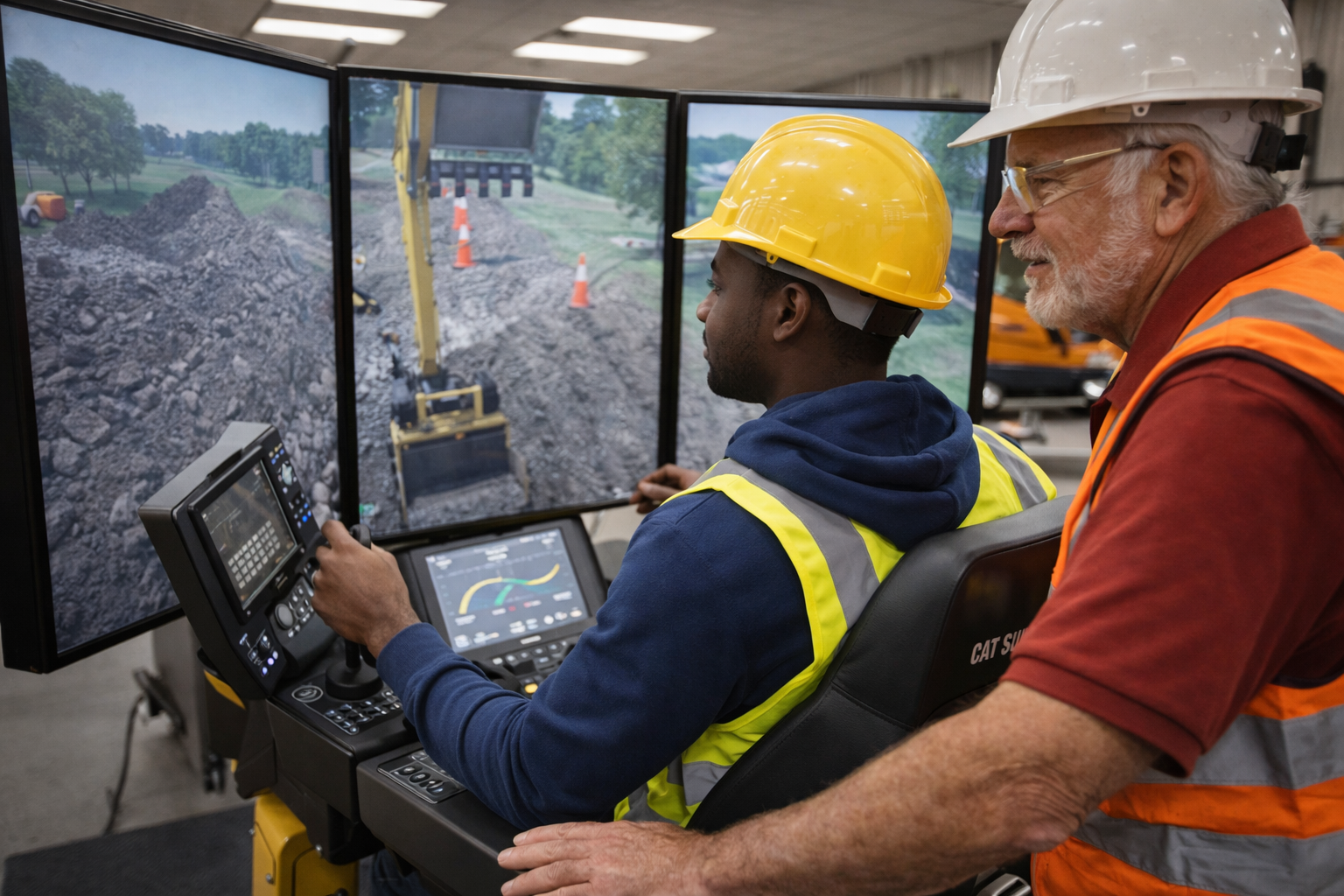
Under the proposed reforms, pupils in England would combine English, mathematics, and science with technical learning linked to industries operating in their region. Construction is expected to form one of the available pathways.
Students would gain practical experience, contact with employers, and a clearer understanding of vocational careers before deciding what to do after GCSEs. Regional mayors, colleges, schools, and businesses are expected to shape the routes, with initial implementation planned from September 2028.
The government also intends to change how Ofsted assesses technical provision, addressing concern that schools are judged mainly through academic measures even when vocational programmes produce strong employment outcomes.
MAGB said the reforms could establish greater parity between university and technical routes. It wants bricklaying, stonemasonry, and related occupations presented as skilled careers rather than fallback options for pupils considered less academic.
Eve Livett, chief executive of the Masonry Association of Great Britain, said: “This is the moment technical education stops being the ‘other’ option.” She added that putting tools into young people’s hands and introducing them to working tradespeople could turn early interest into career ambition.
The association has already formed a partnership with Lady Manners School in Derbyshire, which offers a GCSE in construction. Plans include bringing masonry into the classroom, introducing pupils to employers, and showing how traditional skills operate alongside modern construction methods.
MAGB also runs the National Masonry Academy and the Military to Masonry programme. The latter provides an intensive route for Armed Forces service leavers, covering practical skills, health and safety, and the requirements needed to enter site work before progressing towards recognised qualifications.
Turning policy into workable school provision
Introducing technical education at 14 could address a persistent weakness in construction recruitment. Many young people encounter the industry only when they are already expected to choose a college course, apprenticeship, or job, often with limited knowledge of the roles available.
Earlier exposure allows pupils to test whether they enjoy practical work and to connect classroom subjects with physical outcomes. Geometry, measurement, material science, digital design, planning, and communication all have direct applications in masonry and the wider built environment.
The policy will only become effective if technical education is treated as a properly resourced part of the timetable. Masonry requires space, materials, tools, extraction, storage, safe working arrangements, small group supervision, and teachers or visiting instructors with appropriate competence.
Schools cannot establish that capacity through initial equipment grants alone. Funding must cover workshops, maintenance, consumables, staff development, and sufficient contact time for pupils to build skills rather than complete occasional demonstrations.
Employer involvement will also need formal structure. Site visits and careers talks can introduce the industry, while sustained pathways require placements, mentoring, curriculum input, work experience, and progression into apprenticeships or college programmes.
Small construction businesses may be willing to participate but often lack the administrative capacity to manage safeguarding, insurance, school calendars, and placement requirements. Regional authorities and industry associations can provide coordination that would be difficult for each employer to establish independently.
Forecasts indicating a need for more than 200,000 additional construction workers show the scale of the recruitment challenge as the existing workforce continues to age.
Masonry faces particular pressure because housing and infrastructure programmes translate directly into demand for bricklayers, blocklayers, and specialist stone workers. Modern methods of construction may change parts of the build process, but they do not remove the need for competent installation, façades, interfaces, repairs, and traditional construction.
Technical routes should also avoid reducing the trade to rapid entry level training. Short programmes can prepare motivated adults for defined site tasks, but long term competence develops through supervised experience, assessment, and exposure to different materials, details, and site conditions.
A pathway beginning at 14 could create a more coherent progression from school to college, apprenticeship, qualification, and advanced craft or supervisory work. That continuity would help pupils see a career rather than a single job and give employers a clearer framework for supporting development.
Parity with academic education will depend on status and progression. Technical pupils need recognised qualifications, access to further study, and routes into management, teaching, design, surveying, or business ownership without finding that an early vocational decision has narrowed their options.
The proposed 2028 start gives government, regional authorities, schools, and industry time to build the necessary system. MAGB’s school partnership offers an early model, while national delivery will require trained staff, suitable facilities, secure funding, and employer networks capable of supporting pupils over several years.