IN Brief:
- Hercules has secured approximately £5m of additional civil engineering work in the UK water sector.
- Most of the latest contracts are within the Thames Water region and are expected to complete within six months.
- The awards add to water sector packages secured by the contractor during the first year of AMP8.
Hercules has secured approximately £5m of additional civil engineering and infrastructure contracts in the UK water sector, with most of the latest work located in the Thames Water operating region.
The packages were awarded to the company’s Construction Services operation during the fourth quarter of its financial year to 30 September 2026. Work on most of the contracts has already started and Hercules expects the latest group of projects to be completed over the next six months.
Individual sites and detailed scopes have not been disclosed, so the awards cannot be treated as one £5m project. Hercules describes them as civil engineering and infrastructure packages supporting AMP8, the five year regulatory investment period that began in April 2025 and runs until 2030.
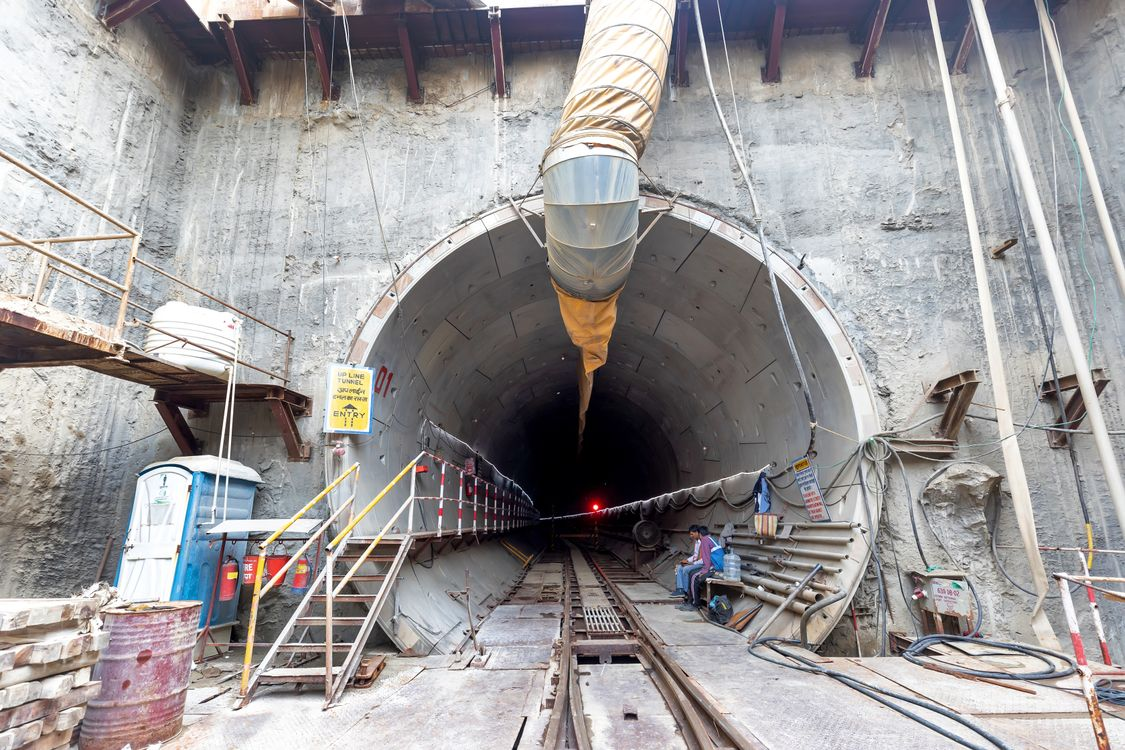
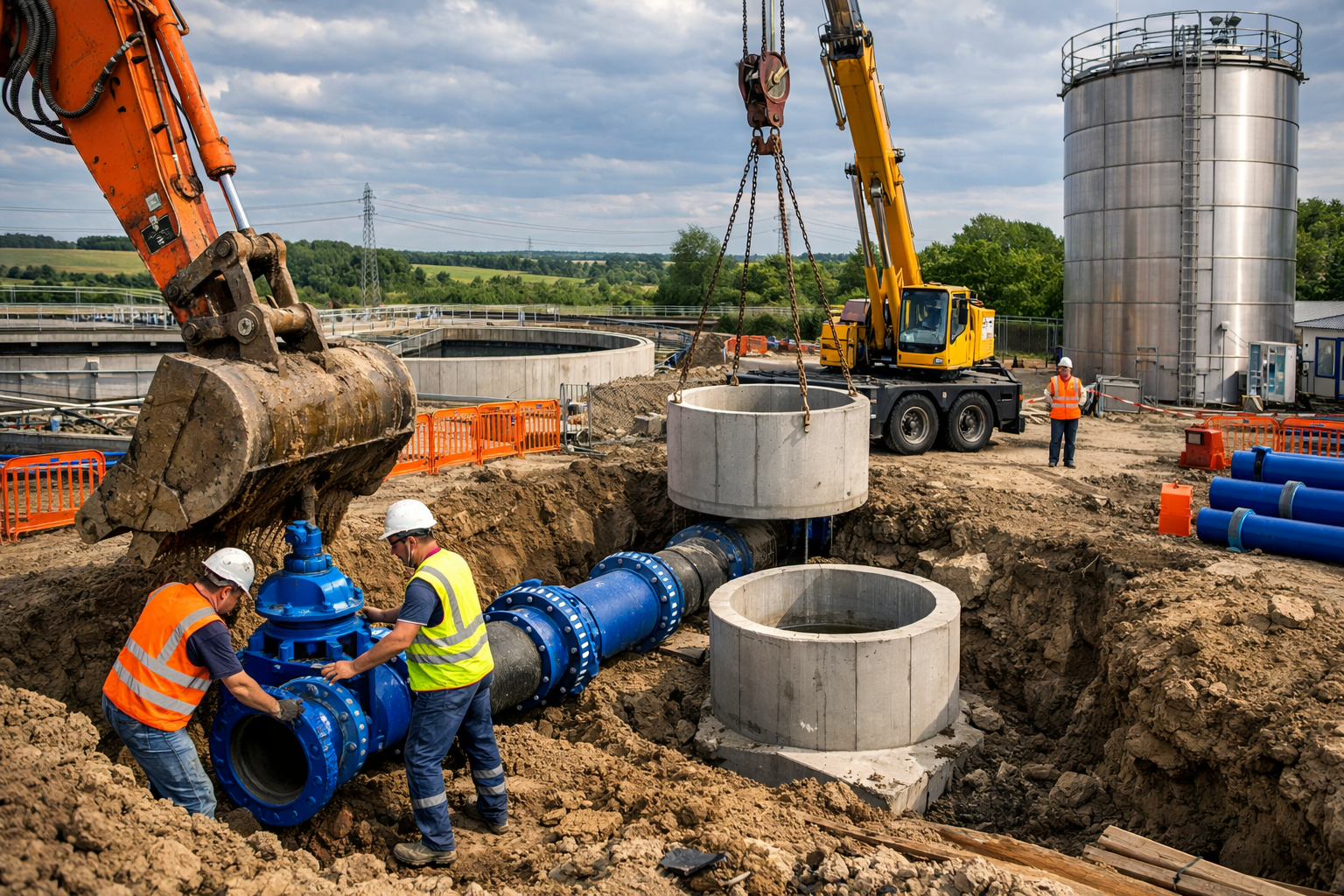
Water infrastructure programmes typically divide large utility investment plans into numerous construction packages rather than a single contract. Treatment works upgrades, pipelines, chambers, pumping infrastructure, access works and other civil projects can therefore reach the supply chain at different points as utilities move individual schemes through design, consent and delivery.
The latest £5m award continues a run of water sector work for Hercules during 2026. In July, the contractor reported £6.1m of additional projects secured during its second and third quarters, including around £4.5m in the Thames Water region and £1.6m in the Anglian Water region.
Those earlier wins took the Civil Projects division above £15.7m of contract awards during the first nine months of the financial year. The October announcement adds another tranche as utilities progress their AMP8 programmes and contractors build workloads around the first major delivery phase of the regulatory period.
Hercules has also been increasing the amount of civil engineering activity delivered through its own project teams rather than operating solely as a labour supplier. That shift changes its responsibility on site because direct delivery requires management of plant, materials, programme, quality and safety alongside workforce provision.
Water sector construction is particularly dependent on sequencing because much of the infrastructure remains operational during upgrade work. Projects around treatment sites, pipelines and pumping assets can require temporary bypass arrangements, excavation controls, confined access and staged commissioning so existing services remain available until replacement infrastructure is ready.
AMP8 provides the commercial backdrop. Ofwat’s final determinations established a sector investment programme running into tens of billions of pounds between 2025 and 2030, with utilities required to increase spending on water quality, supply resilience, environmental performance and wastewater infrastructure.
The regulatory total does not translate directly into construction contracts of the same value because company allowances also cover operational expenditure, financing and other activities. Even within capital programmes, projects move through development and design before work reaches the contractor market.
That creates a progressive pipeline rather than a single block of spending at the beginning of the five year period. Smaller civil packages can appear individually modest but become material when aggregated across a utility programme containing hundreds of interventions.
For Hercules, the latest announcement indicates that the Thames Water geography remains a central source of workload. The company’s July update showed the same regional concentration, while the latest awards again place most of the value in that operating area.
The contractor has not identified the utility clients or exact assets associated with the £5m package, so no engineering detail beyond the disclosed civil and infrastructure scope can be stated reliably. Delivery over the next six months will take much of the work into Hercules’ 2027 financial year even though the contracts were secured during the final quarter of FY2026.
The progression from £6.1m of awards announced in July to a further £5m in October provides an early indication of how AMP8 workload is filtering into specialist civil engineering businesses beneath the largest utility frameworks.
As individual schemes reach construction, contractors able to combine site labour with direct civil project delivery are competing for packages that depend on repeated execution across multiple operational assets rather than one large standalone build.