IN Brief:
- All glazing panels above platforms 1 to 10 have been replaced across an 11,000m² area.
- Platform light measurements are now between 11 and 56 times higher than before the work.
- Roof drainage, concourse glazing and weather resilience were upgraded alongside the main train shed refurbishment.
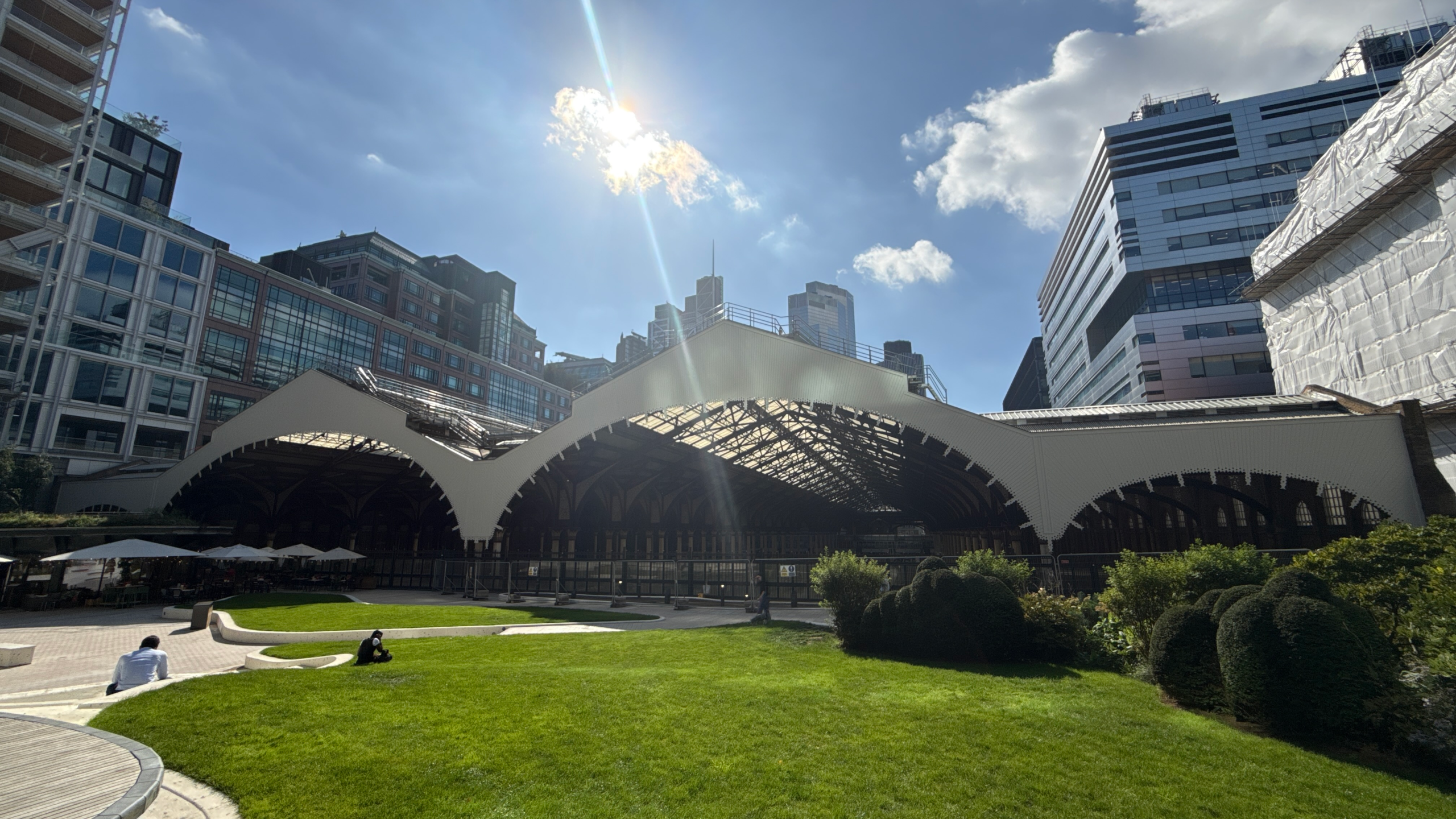
Network Rail has completed the major refurbishment of London Liverpool Street’s Victorian train shed roof, ending a two year programme that replaced 11,000m² of glazing above platforms 1 to 10 and substantially increased natural light inside the station.
The old roof panels had become discoloured and heavily affected by lichen, reducing the amount of daylight reaching the platforms below. Measurements taken after replacement found average platform light levels between 11 and 56 times higher than before the work.
The glazing above the platforms was based on glass reinforced plastic panels that had reached the end of their serviceable life in parts of the train shed. Replacement had to be carried out over an operational railway, where fixed scaffolding across the platforms would have created major conflicts with train movements, passenger access and station operations.
Engineers instead developed an elevated sliding work platform beneath the roof. The movable deck gave teams access to sections of glazing overhead while leaving more of the station beneath it available for normal use, and it could be repositioned as work progressed along the train shed.
Network Rail previously estimated that the sliding system cost less than half as much as conventional scaffolding and shortened installation by around three to six months. The infrastructure manager also said the approach reduced the overall duration of the roof programme by more than a year compared with a traditional access solution.
The completed scheme extended beyond the 11,000m² of glazing above the platforms. Targeted work replaced 770 glass panels over the concourse, while seals and other weatherproofing details were repaired around the structure.
The Victorian drainage arrangement was also upgraded with new guttering and greater rainwater capacity. That intervention addresses a different failure mechanism from discoloured glazing because leaking joints and limited drainage can allow water to reach the station below even when the roof covering itself remains structurally intact.
Improving the roof therefore required the replacement of ageing panels alongside a drainage system capable of moving larger quantities of water away from vulnerable interfaces. Network Rail has linked the work to greater resilience against increasingly intense storm events, with changes to rainwater collection forming part of the same asset renewal programme.
Repairs also included seals, drainage components and the decorative valance at the northern end of the train shed. Retaining visible historic elements while replacing components that had deteriorated required the project team to balance conservation with weather performance and maintainability.
The station presented an unusually constrained construction environment throughout the programme. Liverpool Street remained heavily used, limiting the amount of space that could be isolated at any one time, while some work above the main concourse required dedicated closures because panels had to be handled directly over areas normally occupied by passengers.
In March, engineers used five weekend days when the station was closed to replace the final cracked concourse glazing. By then, the main platform panels had already been renewed, leaving removal of temporary access systems, completion of drainage work and final repairs before the roof programme could be closed out.
The refurbishment sits alongside other changes intended to increase capacity within Liverpool Street rather than alter the historic train shed itself. Network Rail has been reorganising parts of the concourse and gateline as passenger volumes continue to place pressure on circulation through the terminus.
Roof renewal is less visible operationally than a new platform or entrance, but the completed work deals with several constraints at once. Higher light transmission improves conditions at platform level, renewed panels and seals reduce paths for water ingress, and increased drainage capacity protects the structure during heavy rainfall.
The sliding access system also reduced the physical footprint of the construction operation inside a working station. That was particularly important because the roof spans live platforms rather than an area that could be removed from railway use for the duration of the project.
With the remaining work complete, the train shed has moved from temporary access, panel replacement and drainage intervention back into routine asset management. The most obvious change for passengers is increased daylight, while the longer term engineering benefit lies in renewed glazing, repaired interfaces and greater rainwater capacity above them.