IN Brief:
- BBGE, VSL Systems UK, and Bachy Soletanche have formed a Geotechnical Sub-Alliance.
- The scope includes piling, soil mixing, diaphragm walls, and plastic cut-off walls.
- The team will create a stable, watertight construction platform for Sizewell C.
Sizewell C has established an integrated Geotechnical Sub-Alliance to deliver the specialist foundations and ground-engineering systems required for the Suffolk nuclear power station.
Balfour Beatty Ground Engineering, VSL Systems UK, and Bachy Soletanche will operate as a combined team across piling, soil mixing, diaphragm walls, and plastic cut-off walls. The arrangement is believed to be the first geotechnical sub-alliance of its type to be used on a UK construction programme.
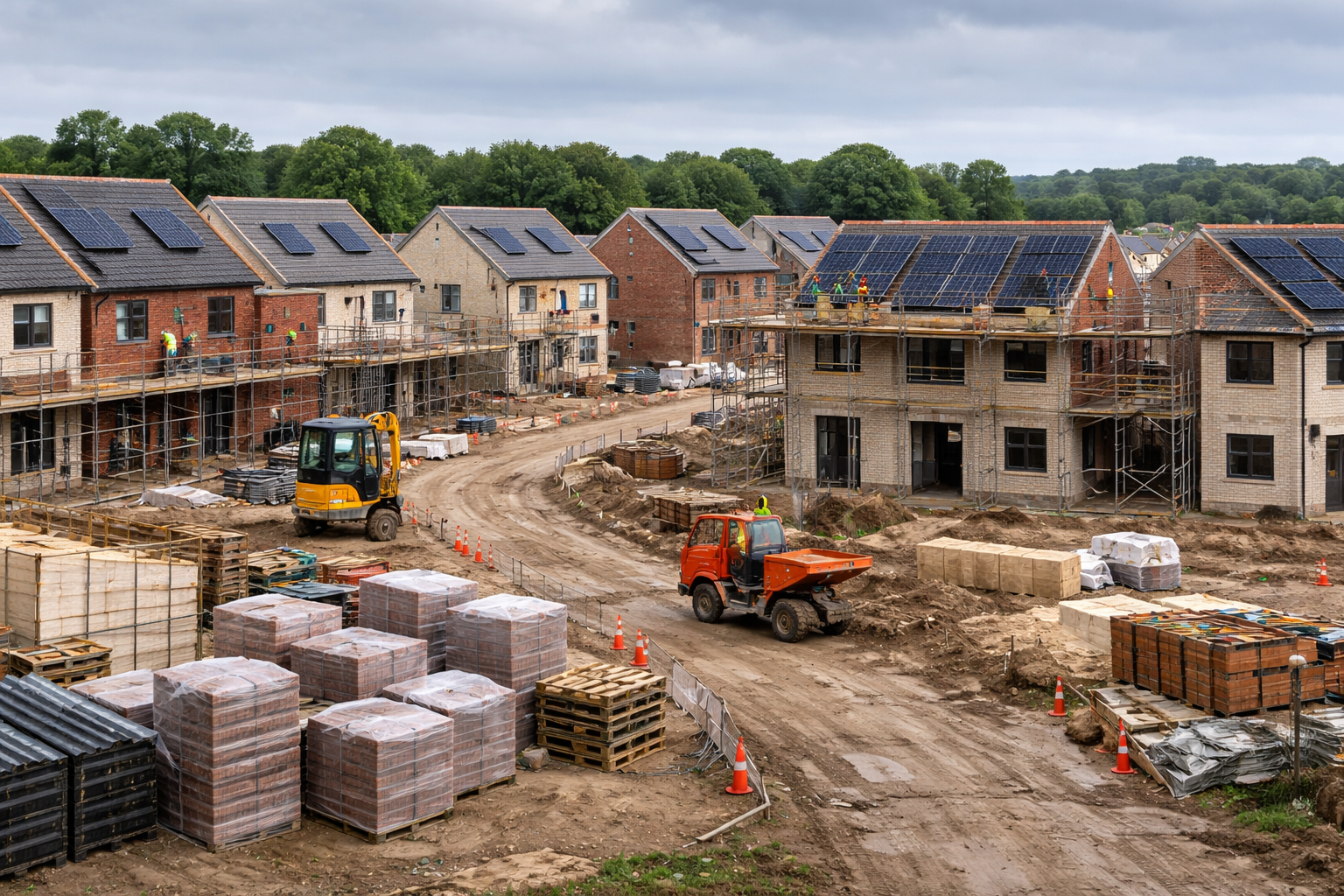
Working across some of the earliest and most consequential packages on the site, the contractors will create a stable and watertight platform capable of supporting the permanent nuclear structures and the heavy temporary infrastructure required during construction. That temporary load will include major lifting systems, logistics routes, cranes, equipment compounds, and support facilities.
The Geotechnical Sub-Alliance will sit within the broader Civil Works Alliance, which includes Sizewell C, Balfour Beatty, Laing O’Rourke, and Bouygues Travaux Publics. Rather than separating each discipline into a series of standalone contracts, the alliance structure is intended to coordinate design, programme, commercial decisions, temporary works, and construction interfaces around shared project objectives.
With two European Pressurised Reactor units and a planned generating capacity of 3.2GW, Sizewell C is being developed as a close replication of Hinkley Point C. Reusing established designs, supply chains, and construction experience should reduce unnecessary change, although local geology, groundwater, site access, and enabling infrastructure still require dedicated engineering solutions.
Nigel Cann, Chief Executive of Sizewell C, said the alliance would combine specialist capability and improve confidence in safe and efficient delivery. Each of the participating contractors brings experience from major energy, transport, marine, civil engineering, and building projects where foundation systems have been delivered under demanding loading and groundwater conditions.
Before major concrete, structural, and mechanical packages can progress, the ground treatment and retaining systems must be installed, tested, and accepted. Programme disruption at this stage can spread rapidly into excavation, crane deployment, lifting plans, concrete sequencing, and the mobilisation of downstream contractors.
By placing three specialist businesses within one delivery organisation, the project can coordinate engineering decisions across package boundaries that might otherwise be divided between piling, retaining-wall, temporary-works, and dewatering contracts. Shared planning should also reduce the likelihood of one system being designed without sufficient allowance for the installation sequence or performance requirements of another.
Nuclear construction adds a level of technical assurance beyond that associated with most heavy civil programmes. Ground conditions, workmanship, materials, testing, inspection, and as-built information must be recorded to a standard capable of supporting the safety case for the structures above, while design changes require disciplined review and traceability.
Construction power and control systems are developing alongside the physical ground works. UK Power Networks Services has been appointed to design the SCADA architecture for the project’s construction electrical supplies, including the systems used to monitor and control substations around the site.
Together, the electrical and geotechnical packages illustrate the scale of enabling infrastructure required before the generating units can be assembled. Temporary power, roads, drainage, foundations, logistics areas, utilities, and lifting platforms must function as an integrated construction environment rather than as incidental preliminaries.
Sizewell C is expected to sustain long-term demand for civil engineering labour, specialist plant, accommodation, materials, logistics, and professional services. The project’s UK-content and regional-employment objectives will be pursued in a market where water, rail, defence, grid, and other energy programmes are seeking many of the same engineers, managers, and specialist subcontractors.
A persistent alliance can support training and standardisation across the construction period, giving suppliers greater confidence to invest in people and equipment. It also creates a common route for evaluating developments in piling productivity, digital quality records, instrumentation, automated monitoring, and lower-carbon construction materials.
Detailed design and mobilisation will now progress through the Civil Works Alliance as activity expands across the main development site. The performance of the geotechnical package will shape the reliability of every major construction sequence that follows it.