
Technology
-
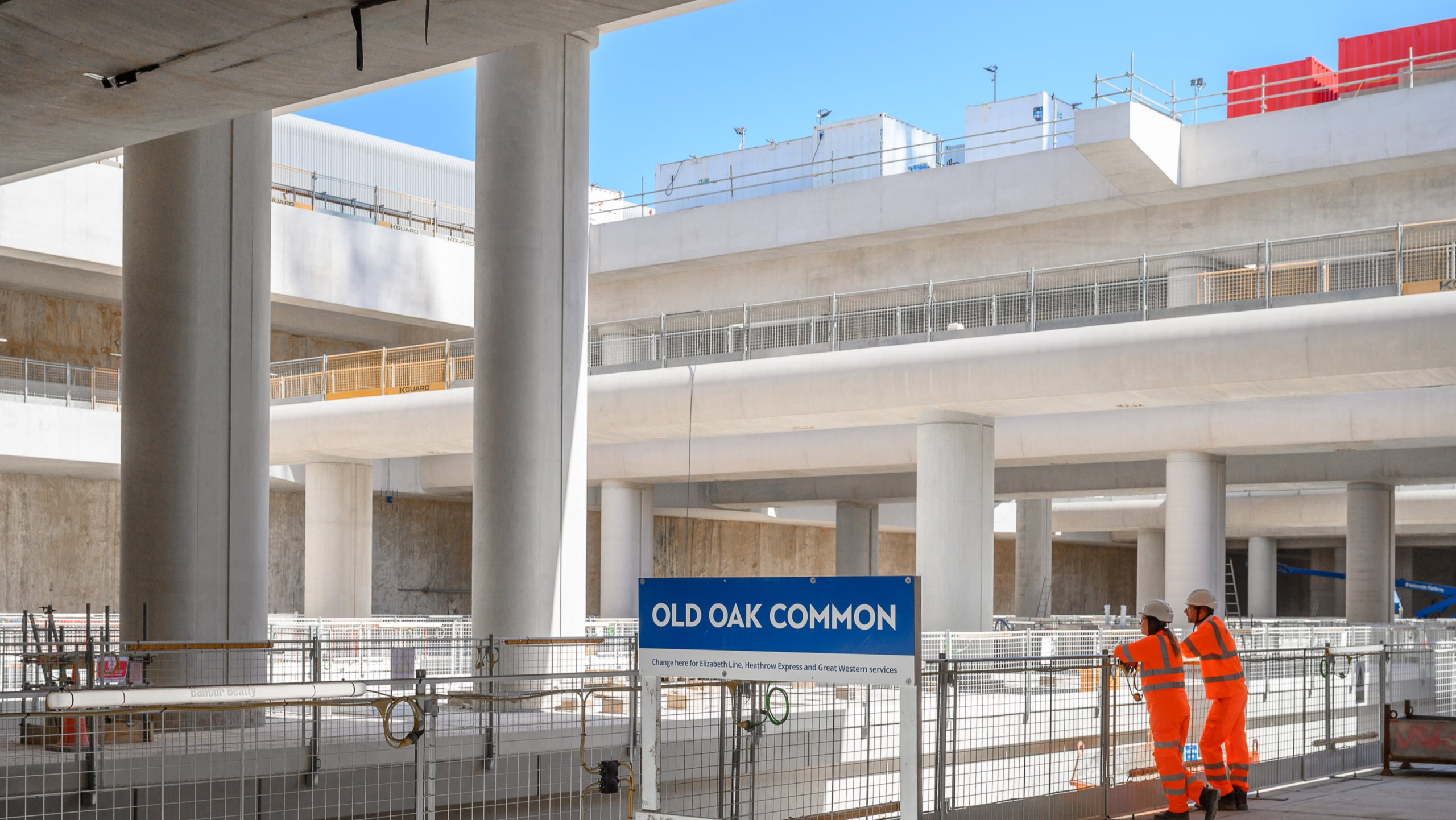
Perega will design secondary roof steelwork for Old Oak Common. The HS2 appointment covers complex connections, walkways, soffit supports, and drainage brackets under restrictive structural constraints.
-
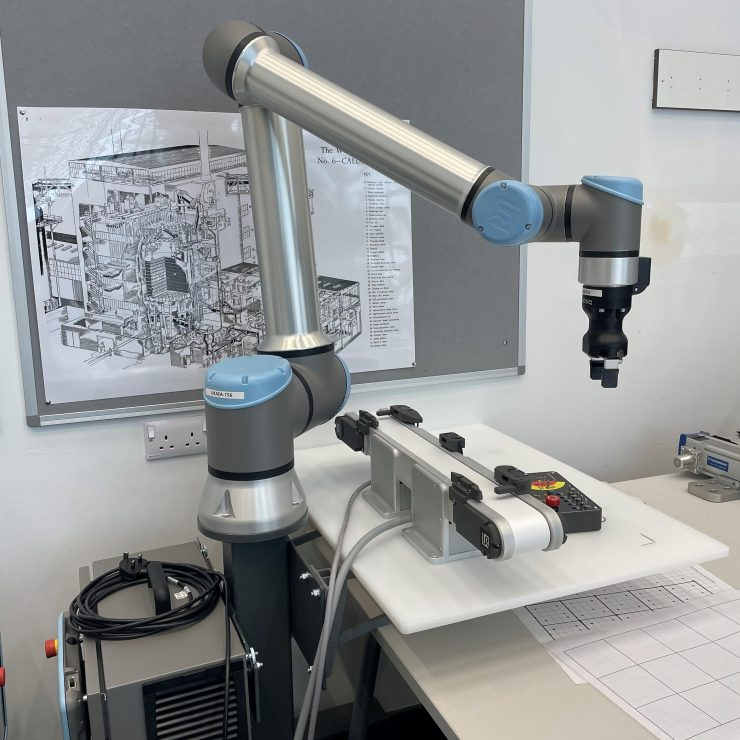
ECITB has awarded £250,000 towards Cumbria’s new robotics training centre. CROSS will combine apprenticeships and modular courses with practical equipment for nuclear, clean-energy, and engineering-construction applications.
-
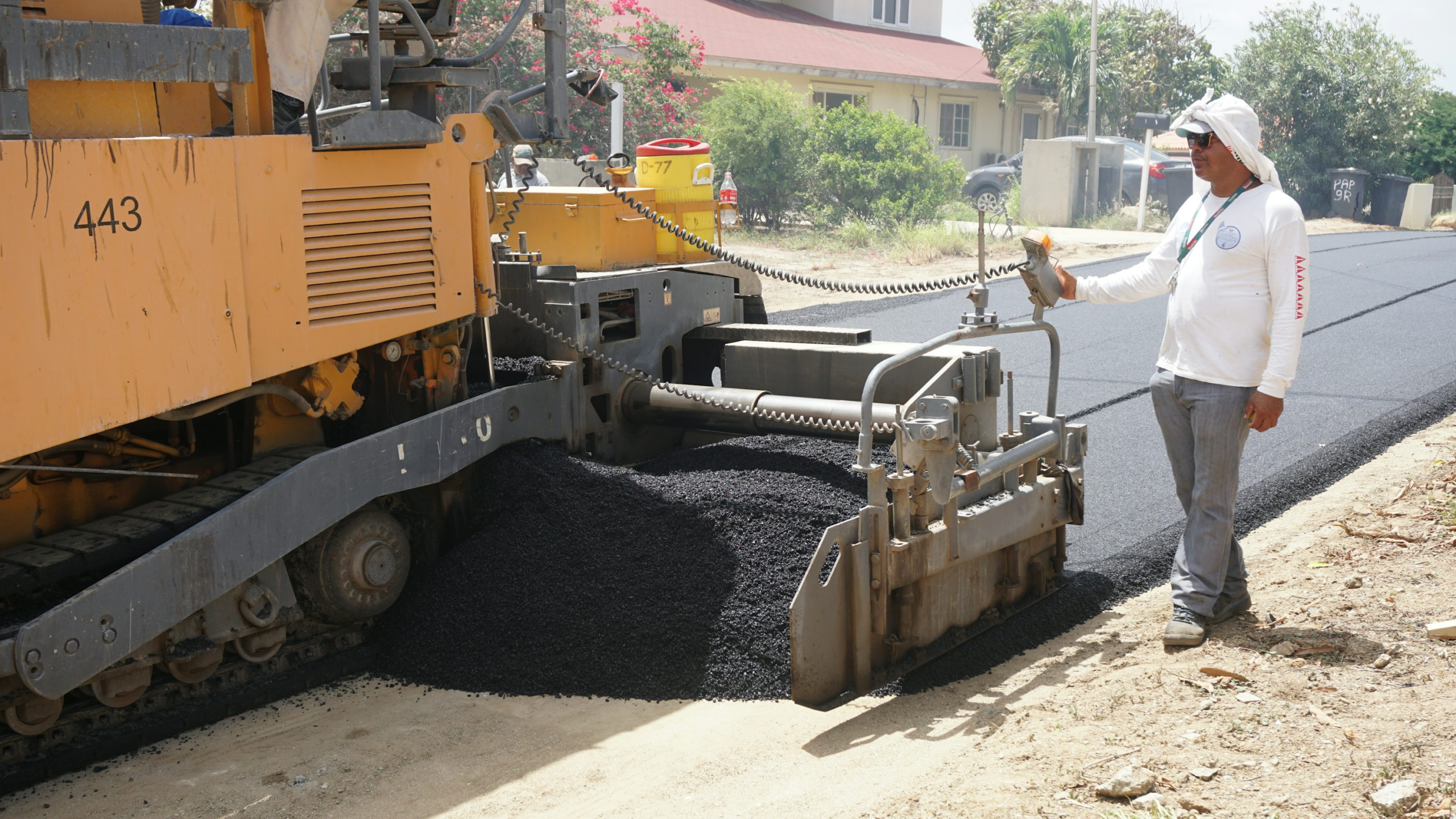
Eurovia completed an electric highway paver trial during overnight works. The Dynapac machine laid 240.32 tonnes without recharging, finishing the A128 operation with 57% battery capacity remaining.
-
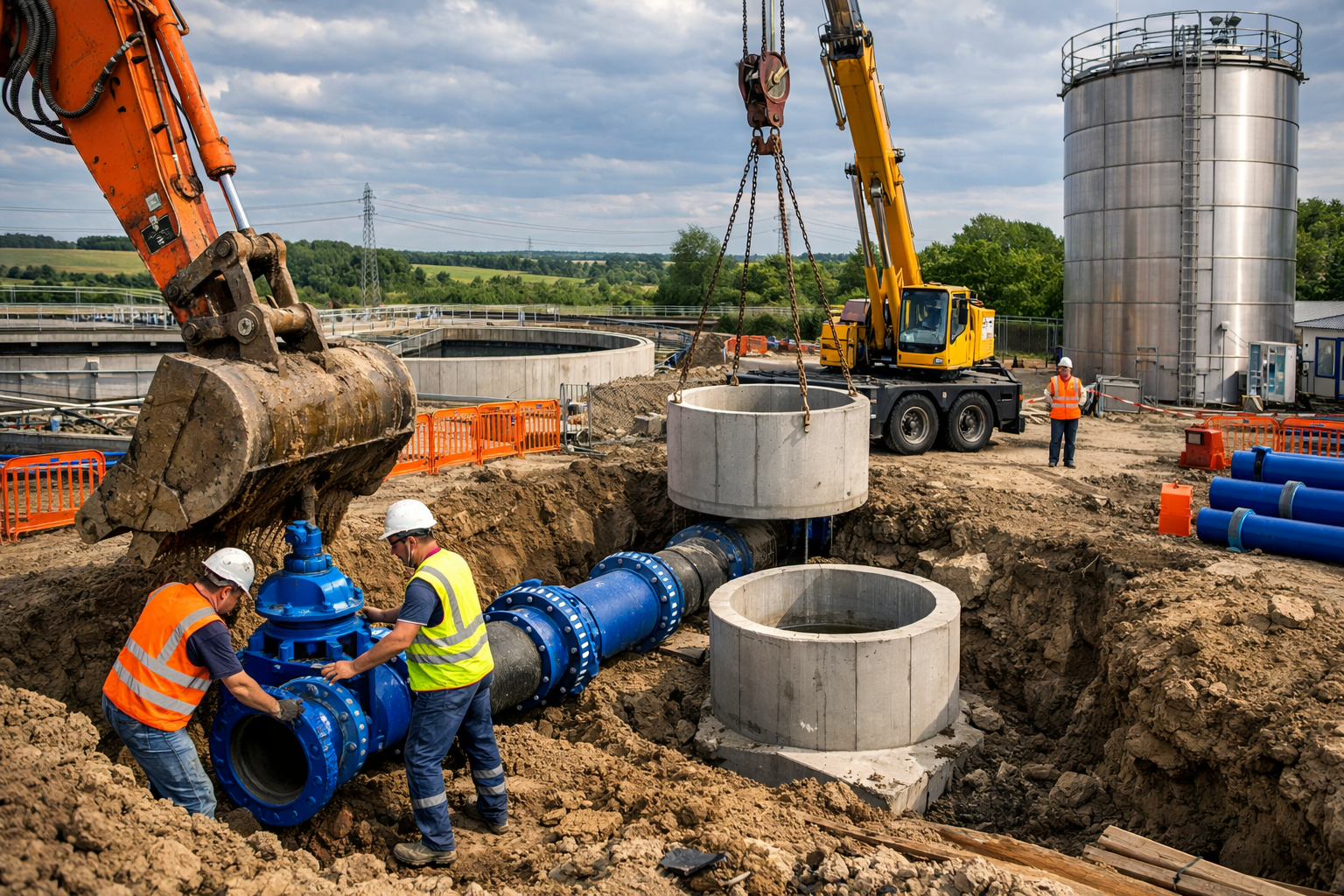
WarmtelinQ starts construction of Vondelingenplaat heat transfer station foundation works. Dura Vermeer and Equans are delivering the civil, structural, and technical systems needed to transfer residual heat and maintain network pressure.
-

Government has revised fibre installation rules for existing non-HRB buildings. The replacement direction removes one prior approval condition while retaining firestopping, weatherproofing, soundproofing, competence, technical-standard, and building-regulation duties.
-
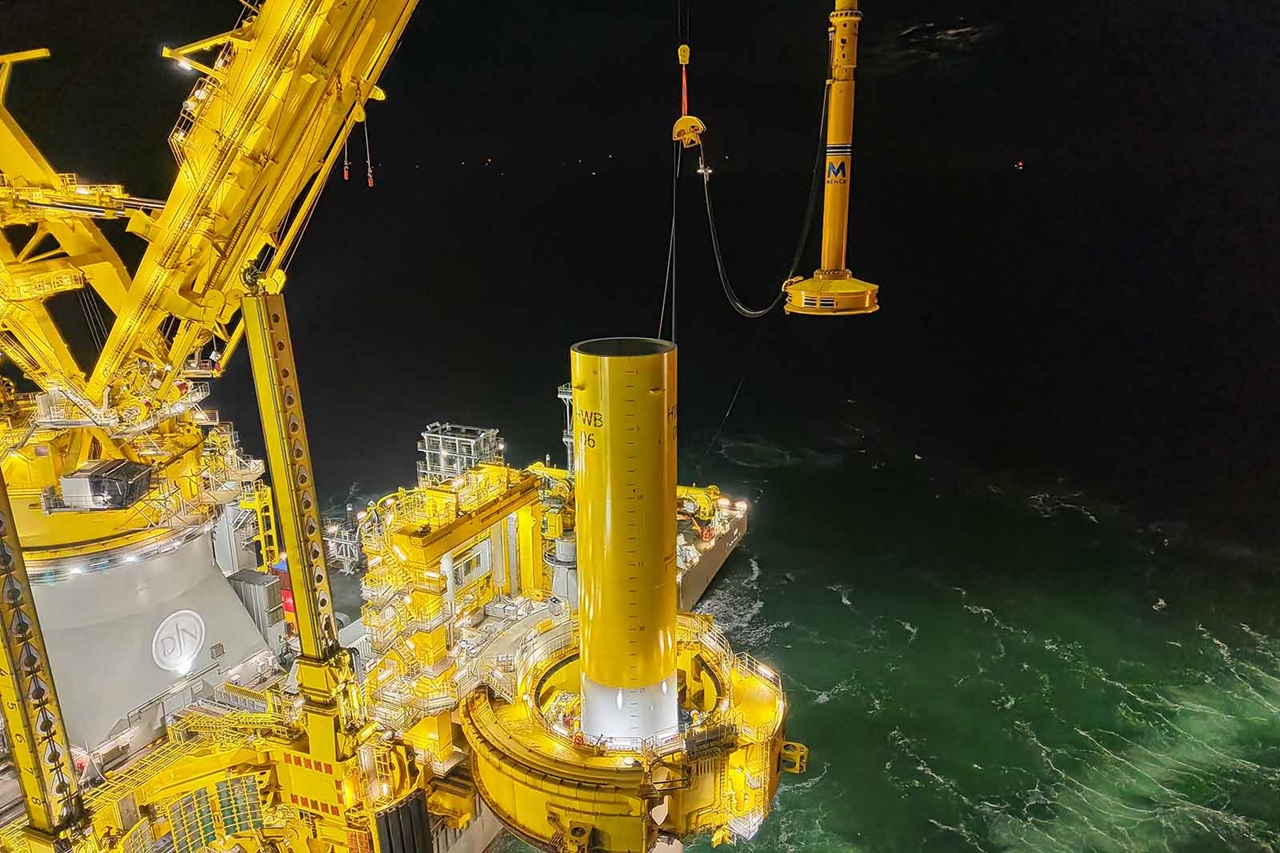
OranjeWind has successfully installed its first offshore wind monopile foundation. The 795MW Dutch project requires 53 transition piece-less foundations, with the installation campaign scheduled to continue into early 2027.
-
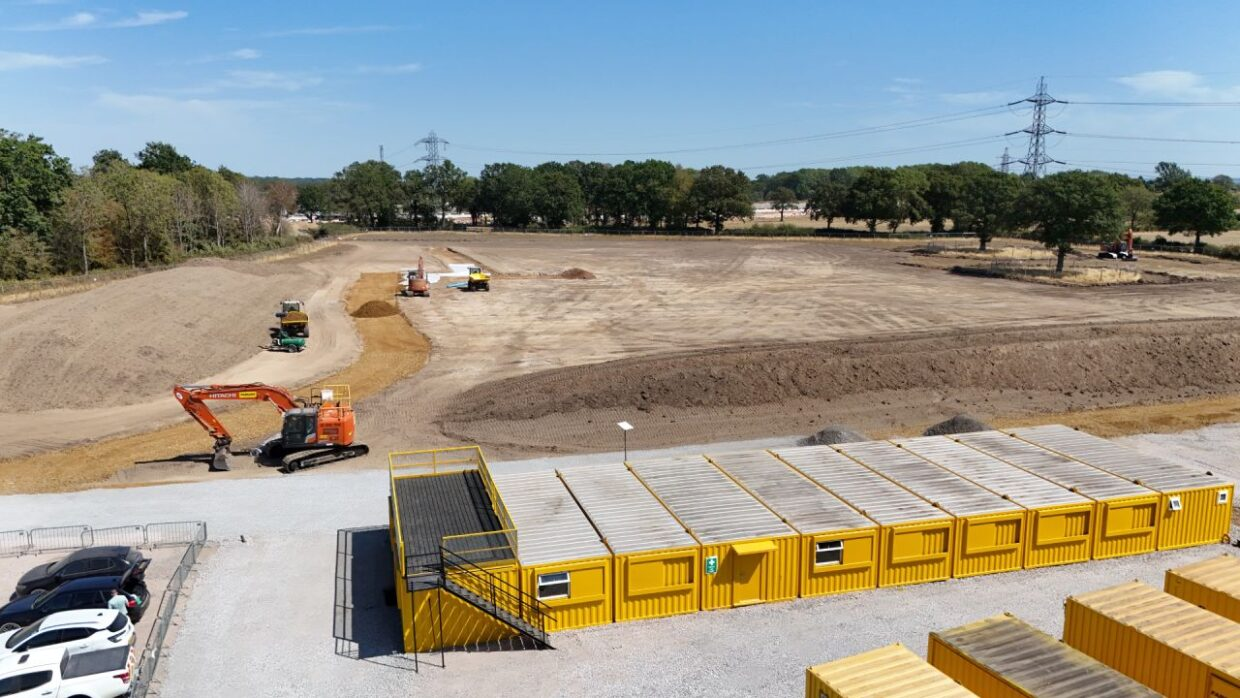
Farrans has started construction on the 857MWh Berkswell battery project. The 200MW scheme will connect at 275kV using 120 Sungrow PowerTitan 3.0 units, with energisation targeted for Q3 2027.
-
ILF has marked a signalling milestone at Düsseldorf rail yard. A new modular interlocking building forms part of wider upgrades covering power, telecommunications, overhead lines, train control, and preparation for ETCS Level 2.
-

Doka now provides product carbon footprint data across 9,000 products. The expanded dataset covers formwork and scaffolding and is intended to support procurement, lifecycle assessment, and Scope 3 reporting across construction projects.
-

NatureScot has opened consultation on Scotland’s new planning biodiversity metric. The working tool will support quantitative assessment under NPF4, with feedback informing a refined Version 1 expected in spring 2027.