IN Brief:
- More than 35,000 tonnes of asphalt were supplied and laid on the M40 between Oxford and Warwick.
- Repairs used 10mm Stone Mastic Asphalt manufactured with Clause 942 polymer modified binder materials.
- The programme concludes another major maintenance phase after more than a decade of Associated Asphalt work on the route.
Associated Asphalt has completed the latest major maintenance phase on the M40, supplying and laying more than 35,000 tonnes of asphalt across the 47-mile motorway corridor between Oxford and Warwick.
The programme ran from 2 March to the end of August and was delivered for UK Highways under the M40 Design, Build, Finance and Operate contract, working with National Highways. Repairs were concentrated largely within overnight closures to reduce disruption on one of the main road links between London and the Midlands.
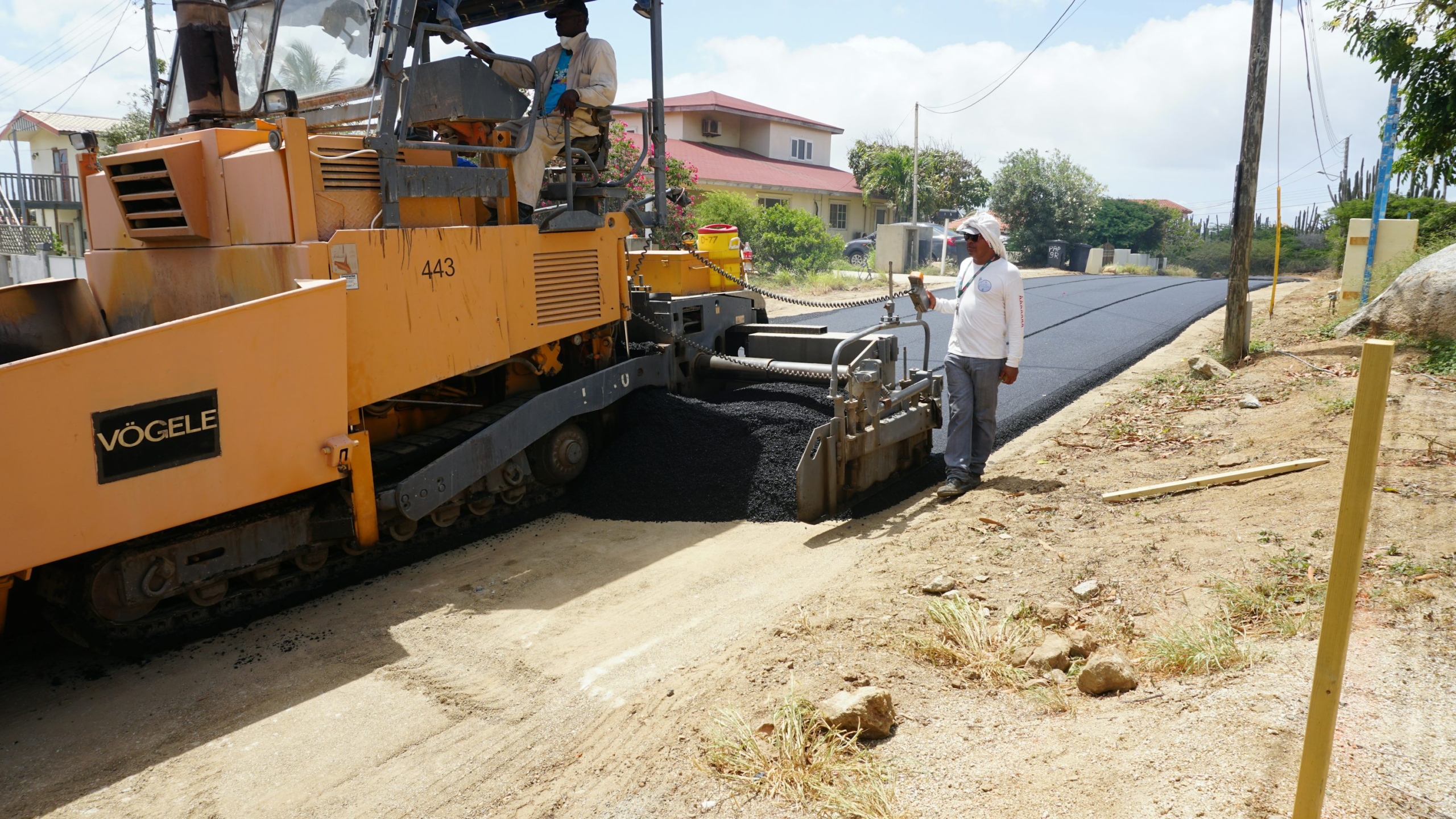
Deteriorated surfacing was removed and replaced using a 10mm Stone Mastic Asphalt surface course manufactured with Clause 942 polymer modified binder materials accredited through the Highway Authorities Product Approval Scheme. The specification was selected for the heavily trafficked motorway environment and the performance requirements attached to the concession.
More than 35,000 tonnes of material moving through a night works programme creates a tightly connected production and delivery operation. Milling, surface preparation, asphalt manufacture, haulage, paving, compaction, testing, traffic management, and carriageway reopening all have to fit within defined possession periods.
Associated Asphalt supported the programme from a new production plant at Yarnton in Oxfordshire, positioned close to the route. The plant has capacity to manufacture around 100,000 tonnes of asphalt annually and gave the contractor a local supply point for the M40 works.
Distance between asphalt production and the paving train is an important programme variable. Material must arrive within the required temperature range and in a sequence that allows the paver and rollers to work continuously. Long or unpredictable haulage journeys can interrupt that sequence, particularly during overnight motorway closures when the available working period is fixed.
A plant closer to the corridor can also reduce the number of vehicle miles needed to supply a large resurfacing programme. More than 35,000 tonnes still represents a substantial haulage requirement, but shorter journeys simplify scheduling and reduce one source of uncertainty between production and placement.
The latest work forms part of a relationship between Associated Asphalt and UK Highways extending for more than 11 years. Since 2015, the contractor has worked on a series of M40 maintenance schemes, including refurbishment of the approximately 500-metre Loudwater Viaduct, deeper pavement construction between Junction 1 and Junction 1A, works around Junction 1A, and emergency repairs.
That continuity reflects the nature of maintenance under a long concession. Pavement treatment is planned against condition, traffic loading, previous interventions, and the remaining life of the operating agreement rather than being treated as a collection of unrelated resurfacing jobs.
The current 30-year M40 DBFO arrangement is due to conclude in early 2027, placing this programme close to the end of the concession period. The road must continue meeting operating and maintenance requirements during the remaining months while responsibility for its longer term management moves towards the next contractual stage.
Stone Mastic Asphalt is widely used on strategic roads because its coarse aggregate skeleton and binder-rich mortar provide a durable surface capable of carrying high traffic volumes. Clause 942 requirements add controls around the material and performance of thin surface course systems, while HAPAS accreditation provides an established approval route for highway products and systems.
Those material specifications still depend on workmanship during placement. Surface preparation, joint construction, compaction, layer thickness, temperature, weather, and the timing of reopening all affect finished pavement performance. A compliant mix arriving from the plant is only one part of producing a durable motorway surface.
Overnight working concentrates those dependencies. Crews have to establish traffic management, remove damaged material, prepare the substrate, deliver and lay the replacement asphalt, complete compaction and checks, and clear the carriageway before traffic returns. Production or haulage delays can quickly reduce the amount of pavement achievable within the possession.
Working across 47 miles adds another planning layer because different sections can present different access points, pavement conditions, lane configurations, structures, and traffic management requirements. A programme at that scale is therefore assembled from a sequence of individual interventions rather than one continuous resurfacing operation.
The completion of the summer phase brings the principal planned works in this programme to an end after six months of delivery. Associated Asphalt has indicated that discussions continue over further projects, leaving scope for additional work before the DBFO concession concludes.
With the current contract entering its final period, future maintenance packages will sit against a changing commercial backdrop. The latest phase nevertheless leaves a substantial quantity of renewed pavement in service after a programme that linked local material production, night closures, and repeated interventions along the Oxford-to-Warwick section of the M40.