IN Brief:
- Dublin City Council and the European Investment Bank have agreed €119m in development financing.
- An Droichead Órga will comprise 441 cost-rental homes and 137 social homes.
- The development targets Nearly Zero Energy Building standards and Home Performance Index certification.
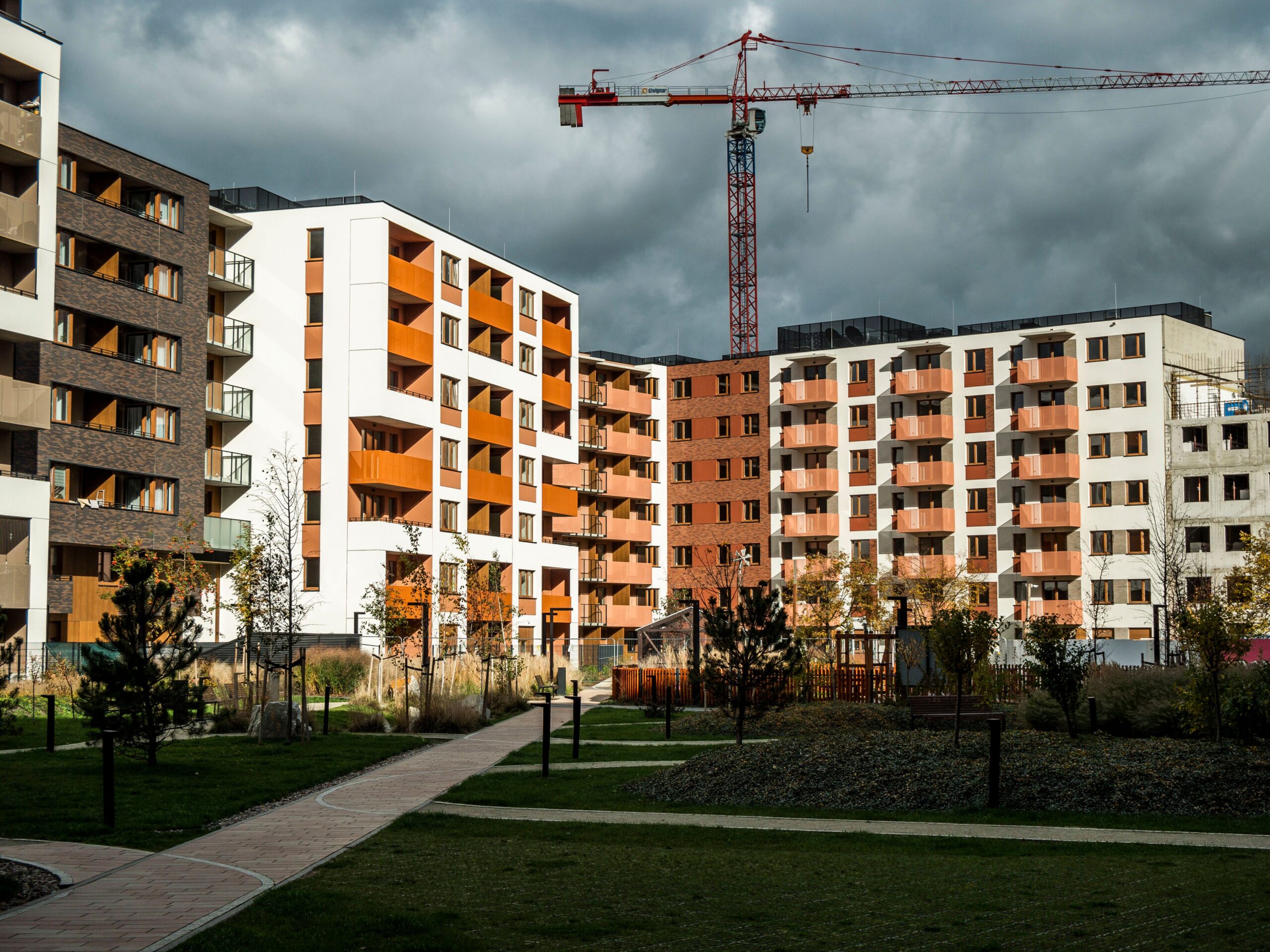
The European Investment Bank (EIB) has agreed €119m in financing with Dublin City Council to support the construction of 578 homes at An Droichead Órga, a major residential regeneration development occupying the former St Michael’s Estate in Inchicore.
The agreement, signed on 25 November, represents the EIB’s first direct housing partnership with an Irish local authority and its largest financial commitment to an individual housing project in Ireland.
The development will provide 441 cost-rental properties and 137 social homes alongside a library, community hub, childcare facilities, retail accommodation, and public spaces.
Dublin City Council appointed Elliott Building & Civil Engineering to deliver the initial residential construction package in November 2025. Construction commencement was formally marked in April 2026, with the council’s published delivery programme targeting completion during the first quarter of 2028.
The financing agreement supports an existing construction programme being delivered directly by the local authority on land designated for strategic development and regeneration under the Dublin City Development Plan 2022–2028.
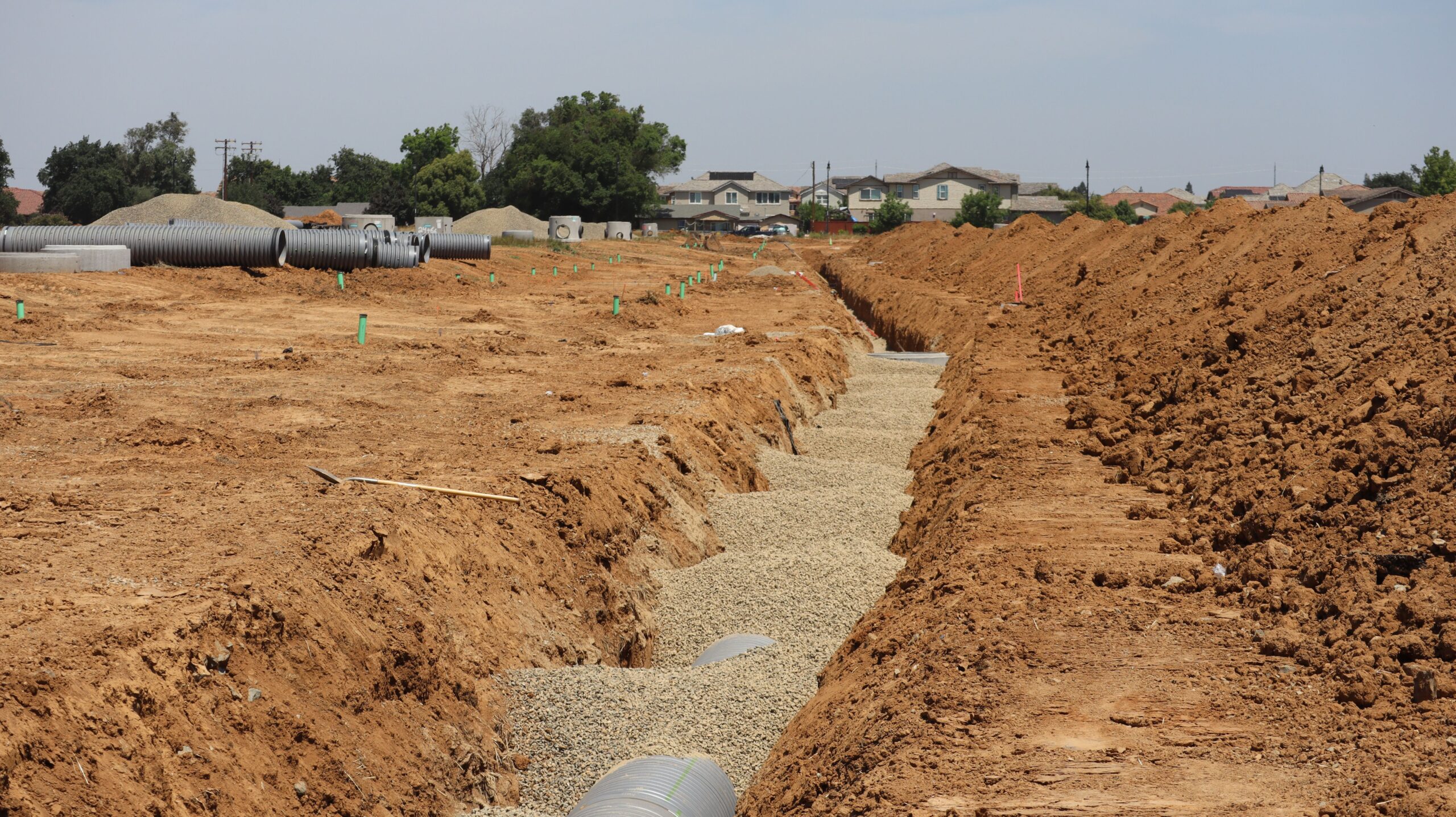
Enabling works began in April 2025 under a separate contract with Hegarty Demolition. The package included demolition of existing buildings, removal of hardstanding and redundant services, and diversion of telecommunications and electricity infrastructure.
Those activities established the conditions for subsequent residential construction while addressing the requirements of infrastructure already serving the surrounding area.
The diversion of existing underground services represents an important interface between brownfield redevelopment and the continued operation of neighbouring properties. Utility networks can cross development boundaries, requiring contractors to establish replacement routes and maintain supplies before redundant infrastructure can be removed.
Sequencing those operations before permanent construction also reduces the risk of existing services obstructing foundations, drainage installations, and new utility connections.
The residential development incorporates different housing types and non-residential accommodation within the same site. Integrating those functions creates variations in structural loading, ventilation, fire separation, acoustic performance, and the distribution of building services.
Where community or commercial facilities occupy the lower levels of residential buildings, their layouts may differ from the more repetitive arrangements of accommodation above. Structural and services designers must coordinate those requirements while maintaining suitable routes for the transfer of loads and distribution of utilities.
The development’s environmental requirements extend across construction and operation. Dublin City Council is targeting Nearly Zero Energy Building standards, Home Performance Index certification, and compliance with the applicable criteria of the EU Taxonomy for Sustainable Activities.
Ireland’s Home Performance Index considers a range of residential performance characteristics, including indoor air quality, daylight, and access to surrounding services.
Achieving the required environmental performance will depend partly on construction quality at interfaces between structural components and the building envelope. Repeated junctions around windows, balconies, roof edges, and intermediate floors can create thermal bridges where the insulating layer becomes interrupted.
Those details are particularly important in apartment developments because relatively small weaknesses may be repeated across numerous residential units.
Improving airtightness also requires coordination with the building’s ventilation systems. Reducing uncontrolled air infiltration can lower heat loss, but mechanical ventilation and other measures must continue to provide appropriate indoor conditions.
Construction inspections and commissioning therefore have a role in establishing whether the completed accommodation achieves the performance anticipated during design. Product substitutions and changes to installation details must be assessed against the requirements of the overall building rather than considered solely on their individual purchase costs.
That relationship has particular significance within a cost-rental development, where rents are determined through the costs associated with providing, financing, managing, and maintaining the accommodation.
Material durability and building services performance can influence expenditure throughout the operating life of the completed development. Access arrangements for maintenance and the availability of replacement components can also affect the cost and complexity of subsequent interventions.
The EIB financing adds a long-term institutional funding source to the council’s delivery arrangements. Providing capital during construction enables expenditure to progress before the development begins generating rental income, while the eventual financing costs contribute to the longer-term economics of the accommodation.
The €119m agreement forms part of wider EIB support for affordable housing. The bank has provided more than €1.7bn towards Irish housing investment in recent years, alongside a European programme targeting €6bn in housing financing during 2026.
At An Droichead Órga, the new commitment supports delivery of residential accommodation and associated community infrastructure on previously developed land. Construction will continue under the council’s existing delivery programme as the development progresses towards its anticipated 2028 completion period.