IN Brief:
- Ipswich Borough Council has secured possession of Broomhill Lido from the administrators of Fusion Lifestyle.
- The council has obtained rights to use the previous redevelopment designs and appointed a project manager.
- Fresh funding and further development work are required before restoration construction can begin, with an update expected in summer 2027.
Ipswich Borough Council has secured possession of Broomhill Lido and obtained rights to use existing redevelopment designs, resolving two outstanding issues that had prevented the historic swimming complex from progressing towards restoration.
The agreements were reached with the administrators of Fusion Lifestyle, which was involved in the previous redevelopment programme. Control of the site and access to the design material will allow the council to undertake further technical work, appoint specialist consultants, seek replacement funding and prepare the procurement arrangements required for construction.
The council confirmed the development on 21 October and has already appointed a project manager to lead the next phase. Discussions with potential external funding partners have begun, although no funded construction contract, confirmed site start or reopening date has been established.
Broomhill Lido opened in the 1930s and remained in use until 2002. The Grade II-listed complex is a surviving example of an early twentieth-century outdoor swimming facility, with its protected status reflecting the architectural and historic value of the original structures. The site has remained vacant for more than two decades despite successive attempts to secure its restoration.
Previous proposals were affected by difficulties surrounding the delivery arrangements and availability of funding. The latest agreements address the ownership and design rights that were preventing the council from continuing the project using the material developed during the earlier programme.
Retaining access to previous design work could allow the redevelopment team to build on investigations and planning already undertaken. However, the material will need to be reviewed against the condition of the site, current construction requirements and the funding available for the renewed scheme. Design rights provide a basis for further work rather than confirmation that the earlier specification can be implemented unchanged.
The council also faces a new funding requirement. External funding previously secured for the redevelopment was awarded to Fusion Lifestyle and has subsequently lapsed. It cannot automatically be transferred to the renewed council-led programme, making fresh applications and discussions with potential financial partners necessary before a construction commitment can be made.
Restoration of the lido will involve preserving significant historic structures while addressing deterioration and adapting the complex for contemporary public use. The council intends to retain and repair existing building elements wherever practical, an approach that will require condition surveys and specialist conservation advice to determine the extent of necessary intervention.
The swimming pool structure and associated buildings present different technical requirements. Investigations may need to examine the condition of concrete, masonry, finishes, drainage and existing services, together with any structural movement or deterioration that has occurred during the prolonged closure. The council has not yet published a new comprehensive condition survey or a schedule identifying which components require repair or replacement.
For the pool itself, technical assessment will need to establish the condition of the water-retaining structure and any interfaces with underground services. Existing construction details and the effects of prolonged disuse can influence the suitability of proposed repair methods. The eventual specification must reflect the evidence obtained from surveys rather than assuming that all original structures can be brought back into use without intervention.
Water treatment and circulation infrastructure will also need detailed consideration before the facility can operate again. Swimming pools require systems capable of maintaining appropriate water quality, filtration and circulation. The arrangement of pumps, pipework, treatment equipment and associated electrical services will depend on the proposed operating model and the space available within the historic complex.
Modernising these systems within a listed site can introduce constraints where new equipment, plant rooms or service routes could affect protected structures. The design team will have to establish how contemporary operational requirements can be accommodated while retaining the features that contribute to the lido’s significance.
Heritage controls will influence decisions about alterations to the existing buildings. Work affecting their special architectural or historic interest may require listed building consent, and repair materials will need to be selected with regard to their compatibility with the retained construction. The extent of any alterations will depend on detailed design and the relevant statutory approvals.
The council has identified accessibility as a priority for the renewed proposals. Access to the site, circulation between facilities and the arrangements for entering and leaving swimming areas will need to be assessed against contemporary expectations. Changes in level and the configuration of historic structures may influence which improvements can be accommodated without substantial alteration to the protected fabric.
Environmental performance is another consideration. The council intends to investigate more efficient building services, sustainable drainage, biodiversity improvements and landscaping suited to the heritage setting. These measures are objectives for the design review rather than confirmed installations, and their selection will depend on technical feasibility, the final development budget and relevant permissions.
Retaining historic structures can also reduce the volume of demolition waste and replacement materials required. The extent of that benefit will depend on the amount of original fabric suitable for continued use and the interventions necessary to achieve a safe, functioning leisure facility.
Construction access and temporary works will require attention as the scheme develops. Specialist repair activities may involve scaffolding, protection of historic finishes, controlled removal of damaged materials and restricted movement of equipment around existing structures. The condition and layout of the site will determine where contractors can establish working areas and how individual phases of restoration can be sequenced.
The council intends to strengthen community involvement as redevelopment progresses, reflecting the site’s long association with Ipswich and the continuing public interest in its future. The project may include interpretation and activities addressing the lido’s history, although these elements will need to be developed alongside the technical and financial proposals.
The immediate programme consists of reviewing and improving the previous designs, appointing consultants, obtaining any further permissions and assembling the funding required for delivery. Those stages will establish the basis for construction procurement and allow a more reliable assessment of the works needed to reopen the complex.
Subject to securing external funding, the council expects to provide another progress update in summer 2027. The October agreements remove barriers that had prevented the redevelopment from advancing, but restoration construction has not yet been authorised to begin under a new funded programme.
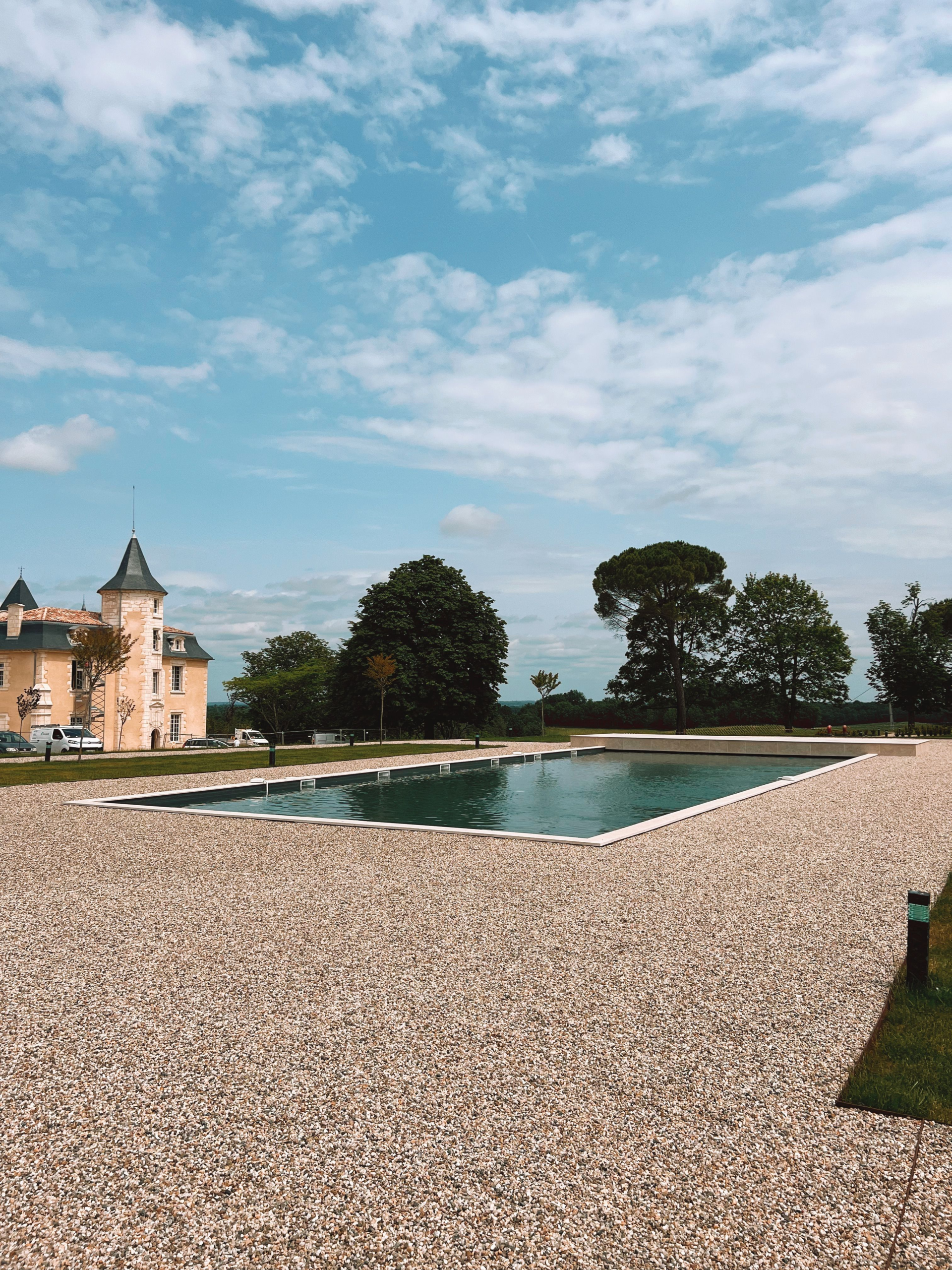
Illustrative photograph of a historic outdoor pool, by Vincent Rivaud / Pexels (Pexels Licence); not the Broomhill Lido site.