IN Brief:
- Four Northern line tunnels will be strengthened and waterproofed during a 26-day closure beginning on 11 October.
- Network Rail will also renew systems used to isolate and control the electrified third rail.
- Power control modernisation extends across the Northern and Wirral lines to support maintenance and emergency access.
Network Rail will begin a £3.5m programme of tunnel strengthening, waterproofing and electrical control work on the Merseyrail network on 11 October, using a 26-day closure to gain continuous access to underground infrastructure.
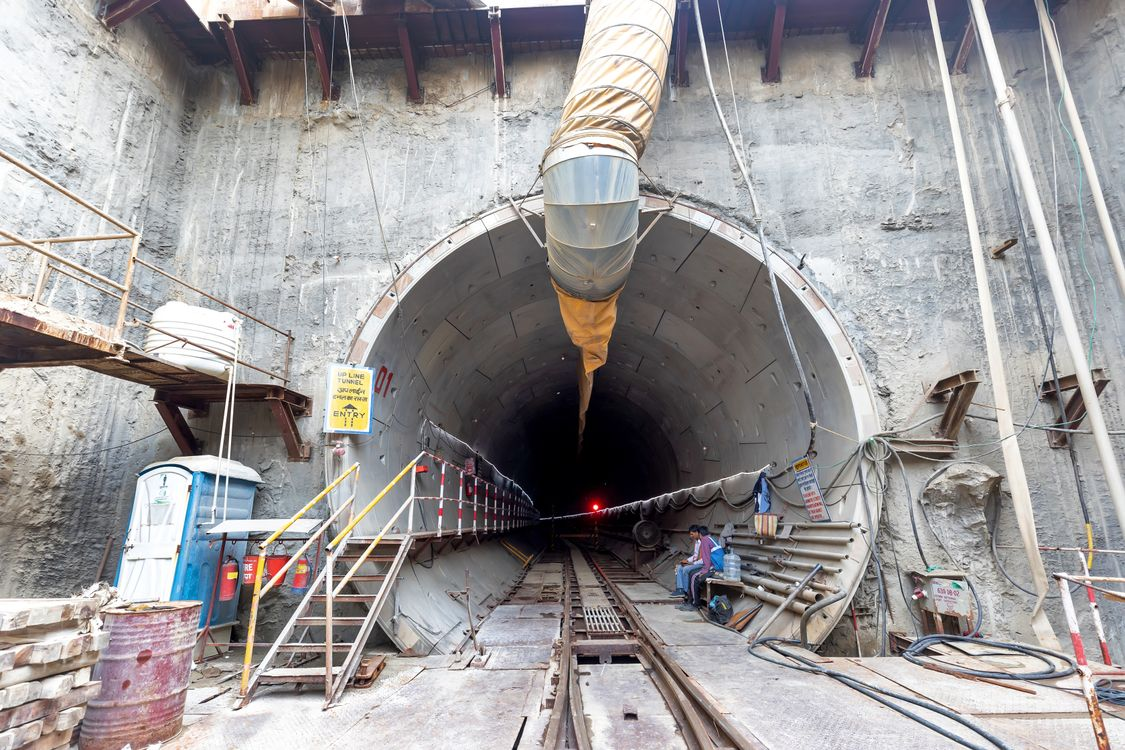
The works will concentrate on four tunnels on the Northern line, where structural strengthening and waterproofing will be carried out while passenger services are suspended. Network Rail will also renew equipment used to isolate and control the electrified third rail, with power control upgrades extending across both the Northern and Wirral lines.
The Northern line between Hunts Cross and Liverpool Central will close from Sunday 11 October until Friday 6 November. The duration reflects the volume and location of the engineering work, which cannot be undertaken safely or efficiently around a normal passenger timetable when teams need repeated access to tunnel structures and live electrical infrastructure.
Waterproofing is intended to limit penetration through tunnel walls and joints. Underground railway structures are continually exposed to groundwater and moisture migration, and uncontrolled ingress can deteriorate structural materials, affect track and electrical equipment and increase maintenance demand inside already constrained working environments.
Strengthening the same tunnels during the closure allows structural intervention to be combined with water management rather than repeatedly returning to the same sections of railway under separate possessions. Network Rail has not published detailed quantities for the strengthening package, but identifies all four tunnels as receiving structural and waterproofing work.
The electrical package deals with a different part of the railway system. Merseyrail uses an electrified third rail at track level to supply traction power, so maintenance teams need dependable systems for isolating sections before work can take place safely.
Modernising the equipment used to switch and control that supply is intended to improve isolation for planned maintenance and emergency repairs. Rather than treating power control as a tunnel-only package, Network Rail is carrying out changes across the Northern and Wirral lines.
Third rail systems demand strict control of electrical boundaries because the conductor sits close to the running rails and working area. Before engineers can access many parts of the railway, the relevant section must be isolated, proved safe and protected against inadvertent re-energisation.
Improved control equipment therefore affects the way future track and infrastructure work can be organised as well as the reliability of the power system itself. Faster and more dependable isolation can reduce the time required to establish a safe worksite during both planned engineering access and fault response.
Network Rail announced the scheme in September and has used the final weeks before closure to prepare passengers for the extended interruption. The £3.5m programme combines work that would otherwise require repeated overnight or weekend access, concentrating it into a continuous possession.
Long possessions create their own delivery constraints because several disciplines must work within the same restricted railway. Tunnel teams, track access staff and electrical engineers need coordinated work areas and sequencing, while materials and equipment have to be moved into underground locations without the logistics available on a conventional construction site.
The continuous closure provides larger working windows but leaves less tolerance for slippage. Activities on the critical path have to be completed, inspected and handed back before passenger services resume, so structural repairs and electrical commissioning must be coordinated around the agreed reopening date.
Merseyrail will remain operational elsewhere during the programme, but the Northern line closure removes the Hunts Cross to Liverpool Central section from service for almost four weeks. Power control work on the Wirral line will be integrated with the wider programme without the same four-tunnel strengthening scope.
The project therefore combines asset-life work with changes to the systems used to maintain the railway. Waterproofing and strengthening address the physical condition of the tunnels, while renewed third rail isolation controls are intended to improve the process by which engineers can safely access electrified infrastructure in future.
When the closure ends on 6 November, the four tunnels will return to passenger use with structural and water management intervention complete, while the modernised power control equipment will remain part of the network’s longer term maintenance infrastructure.