IN Brief:
- Network Rail is investing more than £1.5m in railway renewals across Glasgow’s south side.
- Rails are being replaced at Cathcart and Langside alongside bridge removal and improvement works.
- The intensive programme uses weekend closures on 8–9, 15–16, and 22–23 August.
Network Rail is progressing more than £1.5m of track and bridge works across Glasgow’s south side, using three planned August weekend possessions to concentrate interventions that cannot be completed safely while trains are running.
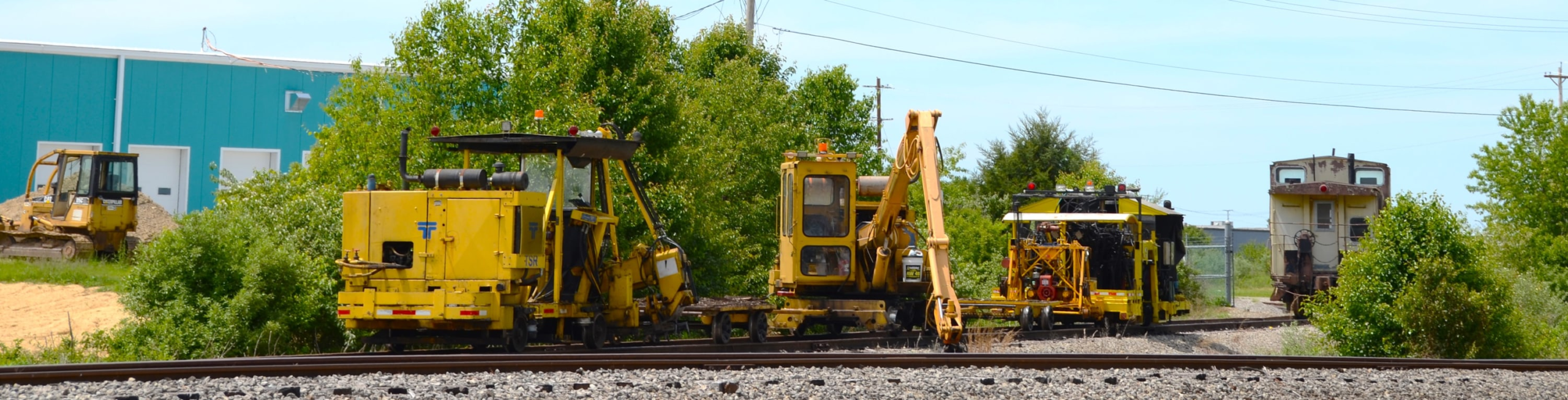
The programme includes replacement of rails through Cathcart Station and at Langside, removal of a redundant railway bridge on the Neilston line, and improvement work to Pollokshaws Road railway bridge.
Preparatory activity began in July, with the intensive programme scheduled around line closures on 8–9, 15–16, and 22–23 August. The first possession has now taken place, leaving two further weekend access periods within the current programme.
Bundling the work into planned possessions allows track and structural teams to use the same periods of railway access, but it also fixes a narrow window for mobilisation, protection, engineering activity, inspection, testing, and handback.
A delay in one package can affect other work because the route has to be returned in a safe condition for passenger services at the end of each closure. Plant availability, access, engineering trains, lifting operations, signalling interfaces, and workforce sequencing therefore have to be coordinated before the possession begins.
Rail renewal through Cathcart and Langside involves more than removing and replacing worn rail. New sections must be installed, aligned, secured, and checked against track geometry and adjacent assets before trains return, with interfaces to sleepers, fastenings, ballast, signalling equipment, drainage, structures, and station environments.
The bridge packages create a different construction sequence. Removal of the redundant structure on the Neilston line requires demolition and lifting activity within the railway corridor, while the Pollokshaws Road works sit above a live urban highway.
Temporary traffic lights remain in place at the junction of Nithsdale Street and Allison Street until 19 September, extending the road interface beyond the weekend rail closures and requiring the project team to manage both railway and highway disruption.
Allison Flanagan, project manager at Network Rail, said the closures are used to carry out as much work as possible during periods when trains are not running because the relevant interventions cannot be undertaken safely alongside normal services.
Possession planning creates a different recovery problem from a conventional construction site. A building contractor can sometimes recover a delayed activity by extending shifts or moving work elsewhere in the programme. Rail teams can only work on track where access has been formally granted, so overruns risk affecting passenger services as well as the next construction activity.
That gives preparatory surveys, materials planning, contingency plant, worksite access, and handback procedures an unusually direct relationship with operational performance. A possession is only successful when the completed work is inspected and the railway is available again at the agreed time.
The project supports commuter routes used by services between Glasgow Central, Newton, Neilston, and the Cathcart Circle. Network Rail says the investment is intended to improve reliability by renewing sections of track and bridge infrastructure rather than increasing route capacity.
The capital value is modest compared with major railway enhancement schemes, but renewal work of this kind protects the performance of assets that can create repeated disruption if wear or structural deterioration is left untreated.
Combining several interventions inside the same access periods can improve the productivity of a scarce possession, provided the individual teams do not compete for plant, access routes, or working space. That requires careful separation of work areas and accurate sequencing between rail, structural, and support activities.
The urban setting adds further constraints. Residents, roads, passengers, replacement transport, station access, and local businesses remain around the works even when sections of railway are closed, so traffic management and communications continue outside the engineering boundary.
Network Rail and ScotRail have advised passengers to plan ahead and use alternative routes during the remaining closures. For the construction teams, the requirement is more specific: complete each defined package, inspect the result, clear the worksite, and return the railway on time.
The remaining weekends of 15–16 and 22–23 August will complete the main intensive phase. The programme provides a compact example of how track and structural renewals are delivered on a working urban railway where extended continuous closure is not available.