IN Brief:
- The public procurement record values GMI’s design-and-build award at approximately £17.3m.
- The replacement library and business centre will occupy Nuneaton’s former Royal Mail delivery site.
- Construction is programmed through 2027 alongside wider housing and public-realm regeneration.
GMI Construction Group has secured the design-and-build contract for Nuneaton’s new library and business centre, moving one of the town’s central regeneration projects towards its main construction phase. The public procurement record values the award at approximately £17.3m, below the earlier £20m estimated contract value.
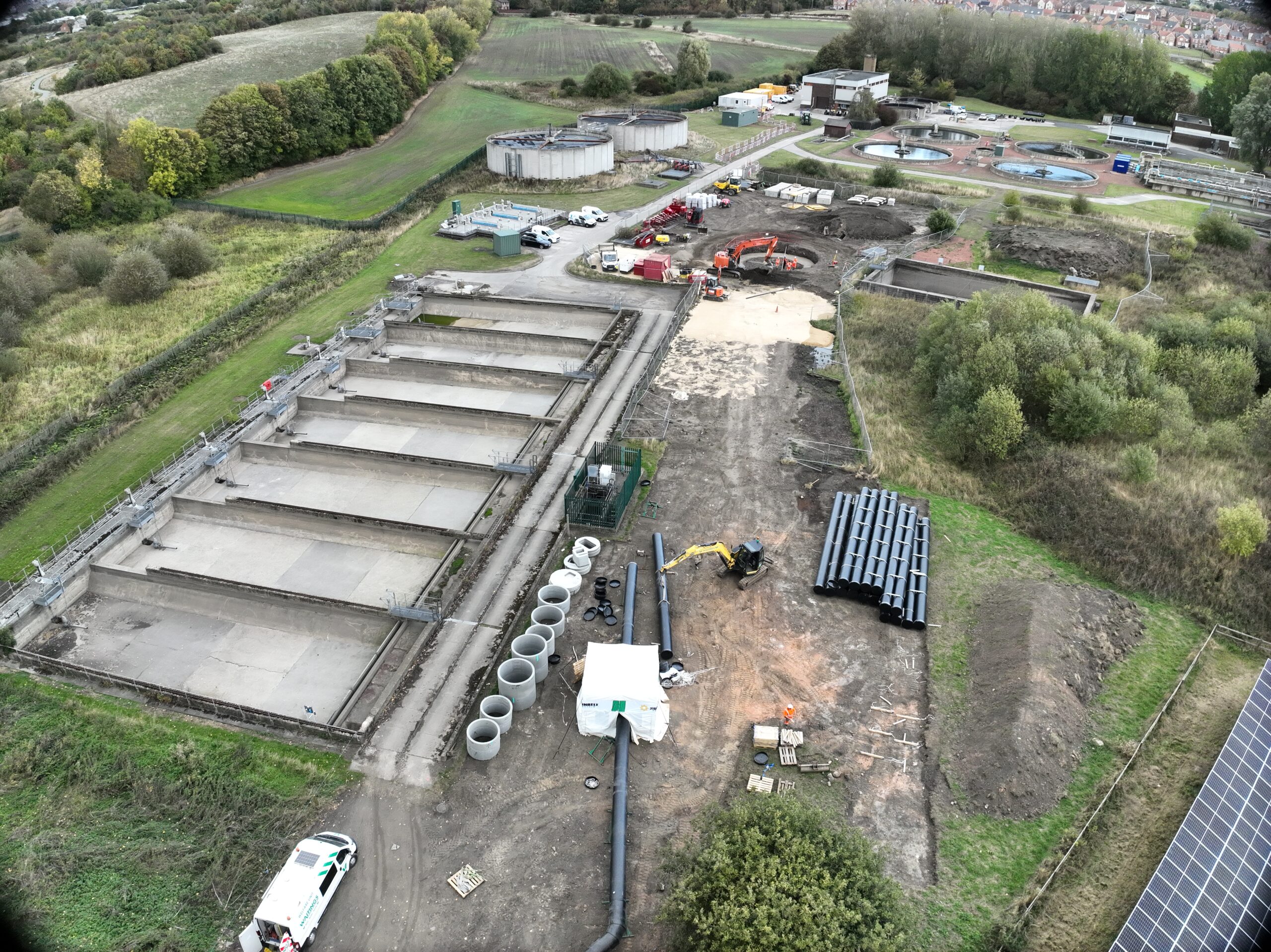
The contractor will deliver the building on the former Royal Mail delivery office site in the town centre. Warwickshire County Council is leading the project, with Mace Consult appointed to provide project management, contract administration, and cost management through construction and completion.
The facility will replace Nuneaton’s existing library while adding flexible business accommodation intended to support enterprise and economic activity. The current library is expected to remain operational until the replacement building is ready, limiting disruption to public services during the programme.
Published programme information places the main works between August 2026 and the end of December 2027. That timetable follows several years of planning, site preparation, demolition, and enabling activity across the former postal site, which forms part of the wider Transforming Nuneaton programme.
Brownfield site enters main construction
The award brings a prominent brownfield plot into active redevelopment after the removal of its previous operational buildings. Urban regeneration sites of this kind can appear straightforward once cleared, but the contractor must still manage constrained access, neighbouring businesses, utilities, deliveries, public interfaces, and infrastructure inherited from the former use.
GMI’s design-and-build responsibility requires the contractor to convert the approved concept into coordinated construction information while maintaining the council’s functional, cost, and programme requirements. Modern libraries combine public-service areas with digital facilities, meeting rooms, flexible work settings, community functions, and building systems capable of supporting varied operating hours.
The council’s proposals include a central rooflight and double-height windows intended to bring daylight into the building, together with accessible facilities including a Changing Places toilet. These features affect structural coordination, façade design, servicing, internal layouts, and maintenance access rather than existing solely as architectural additions.
Mace’s continuing role through the later RIBA stages gives the client an independent management and cost-control function during delivery. That becomes important as design packages close, subcontractors are appointed, and interfaces between structure, envelope, mechanical and electrical services, and internal fit-out move from drawings into physical work.
The final award value also creates a clearer commercial baseline. Early descriptions referred to a project of about £20m or £21m, while the procurement record identifies an awarded contract value of £17,297,657. Distinguishing the contract from the wider project budget prevents design, consultancy, enabling, land, and other client-side costs from being treated as part of the main contractor’s scope.
The library and business centre is intended to operate as a civic and economic anchor within the wider town-centre programme. Plans for surrounding land include around 50 family homes, a quarter of which are expected to be affordable, together with a pocket park and improvements to the public realm.
That mixed programme increases the importance of sequencing. The principal building must be delivered without creating avoidable constraints for later residential and landscape phases, while temporary access, compounds, drainage, services, and site boundaries need to accommodate a development area that will continue changing after the library contract is complete.
For local suppliers, the transition into main construction should create opportunities across groundworks, concrete, steelwork, envelope, mechanical and electrical installation, internal finishes, specialist joinery, access systems, and landscaping. GMI will nevertheless be working in a market where subcontractors continue to price labour availability, material volatility, and programme risk carefully, particularly on public projects with fixed completion expectations.
Keeping the existing library open removes some pressure for a temporary public-service move, but it leaves the replacement programme with a firm operational objective. Delays would extend the period during which the authority must maintain the existing facility while funding and managing the new one.
The town-centre location will also place routine construction logistics under closer scrutiny. Delivery slots, pedestrian routes, temporary traffic arrangements, noise, dust, and communication with neighbouring occupiers will shape the programme even where the permanent design is relatively conventional. Small failures in coordination can quickly become public-facing problems on a civic site.
The project now moves from procurement into detailed design, package placement, and site control. Regeneration schemes are eventually judged on the buildings opened rather than the notices that preceded them, and Nuneaton’s programme now has until the end of 2027 to turn a cleared postal site into an operating public facility.