IN Brief:
- HG Construction and Far East Orchard have secured Gateway 2 approval for Apex in Manchester.
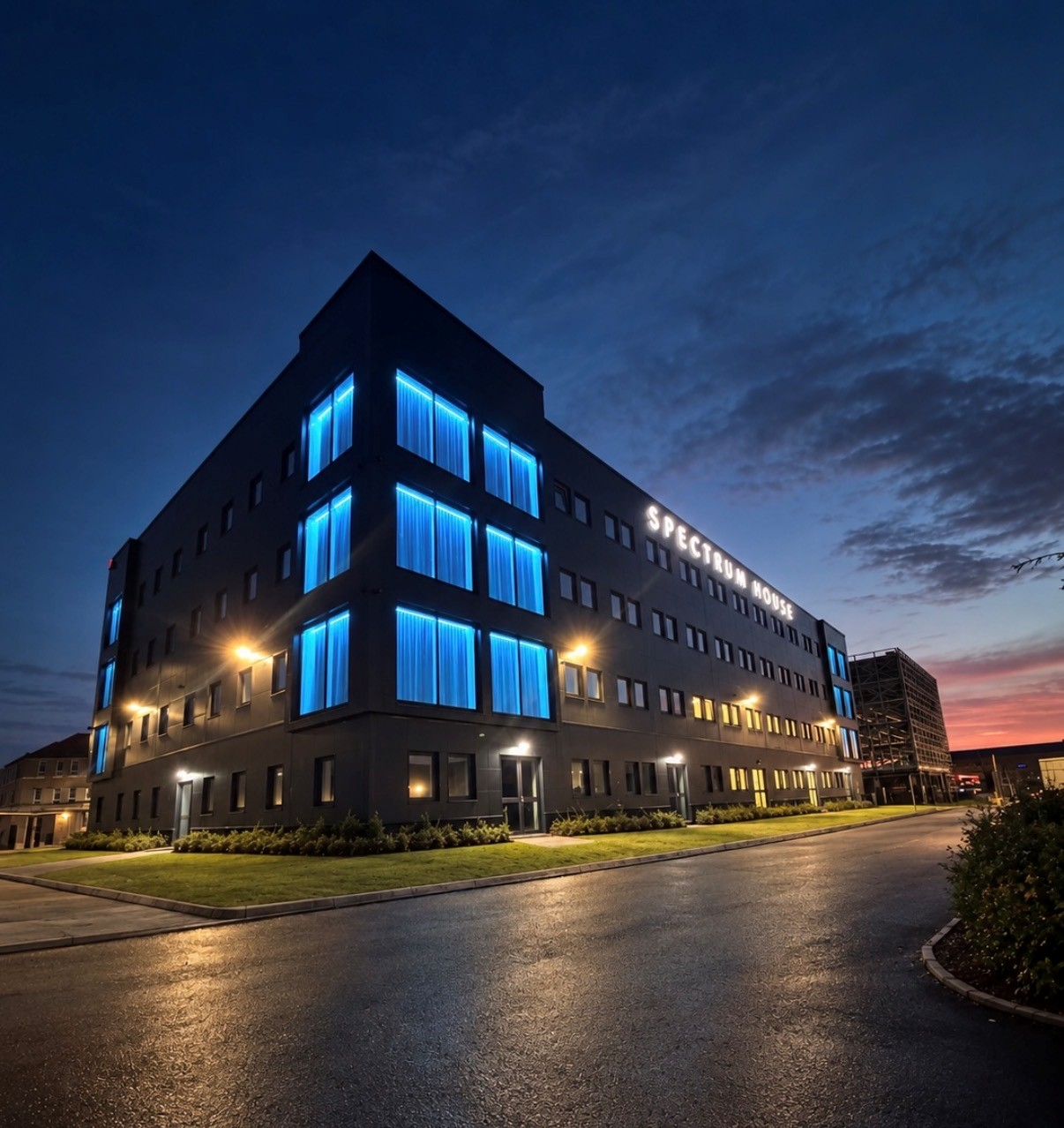
- The eight storey development will provide 239 student studios off Plymouth Grove.
- Completion is targeted for 2028, ahead of the September academic intake.
HG Construction has secured clearance to begin work on the 239 studio Apex student accommodation development off Plymouth Grove in Manchester after the scheme received Gateway 2 approval.
Approval under the higher risk building regime established through the Building Safety Act allows physical construction to begin. Far East Orchard, which is developing the project, is targeting completion in 2028 ahead of the September student intake.
Rising to eight storeys, Apex will become Far East Orchard’s first development in Manchester. DAY Architectural designed the scheme, which secured planning permission before the developer acquired the site from WUKPG for £11.5m in 2025.
The project is being undertaken through the FESAD fund. Far East Orchard holds a 50% interest, Aurum Investments, a subsidiary of Woh Hup Holdings, owns 21.4%, and an unrelated third party holds the remaining 28.6%.
Alongside HG Construction and DAY Architectural, the project team includes e3p, XO Square, Kings, Jensen Hughes, Eddisons, Paul Butler Associates, and Element Sustainability. The completed building will operate as purpose built student accommodation.
Alan Tang, group chief executive of Far East Orchard, said: “Securing Gateway 2 approval for Plymouth Grove reflects the strength of our development and technical capabilities amid the UK’s more rigorous building safety regime.”
He said the approval supported the fund’s value creation strategy and the company’s ability to develop and manage student accommodation in established university cities.
Gateway 2 is the building control approval stage that must be completed before construction of a higher risk building can begin. Submissions need to demonstrate that the design complies with building regulations and is sufficiently developed for the regulator to assess fire, structural, and wider safety arrangements.
Apex follows another major Manchester residential project through Gateway 2, adding to the number of schemes emerging from a process that has delayed parts of the high rise development pipeline.
Construction approval does not reduce the dutyholders’ responsibilities once work starts. Controlled changes, reliable records, competent appointments, and continued alignment with the approved design will remain central throughout delivery.
Gateway approval becomes a development threshold
For higher risk buildings, Gateway 2 now sits alongside planning permission, land control, funding, and contractor appointment as a decisive test of whether a project can proceed. A scheme may satisfy its planning brief and commercial appraisal yet remain unable to start until the building control submission has been accepted.
The regime requires substantially more design information before mobilisation than was common under previous delivery models. Fire strategy, structural calculations, façade build ups, service penetrations, compartmentation, evacuation arrangements, and construction control plans must be coordinated to a level that allows meaningful regulatory assessment.
As more issues are resolved before site activity, preconstruction becomes longer and more technically demanding. Contractors, designers, specialists, and suppliers must close interfaces that might previously have remained open until package procurement or early construction.
A stronger technical baseline should reduce the number of unresolved safety critical decisions transferred onto site. The commercial burden arises because more professional work must be funded before visible construction begins, while regulator questions and design revisions can extend programmes developed under earlier approval assumptions.
Purpose built student accommodation is particularly sensitive to delay because opening dates are tied to the academic calendar. Missing a September completion can defer a substantial portion of the first year’s income rather than merely moving occupation by several weeks.
That fixed deadline influences sequencing, procurement, commissioning, and handover. Repeated bedrooms and internal layouts can support efficient production, but kitchens, bathrooms, fire doors, façades, mechanical and electrical systems, common areas, and life safety installations still require extensive inspection and evidence.
Manchester remains an active student accommodation market because of its university population and constrained supply in well connected locations. Its substantial high rise pipeline also makes the city an important test of how the new regulatory process affects development volume and delivery capacity.
Once projects receive approval, attention moves towards change control during construction. Product substitutions, revised details, and altered service routes may require formal assessment where they affect compliance with the approved design.
Procurement teams must therefore secure specified products and competent installers early enough to protect both programme and compliance. Material availability, supplier changes, and value engineering proposals can no longer be considered solely through cost and buildability.
The golden thread obligations extend into evidence capture as inspection records, installation photographs, test results, design approvals, product information, and commissioning data must remain structured and retrievable throughout the project.
HG Construction now moves from regulatory preparation into the practical work of delivering the approved scheme. Site logistics, subcontract procurement, quality assurance, and programme control will need to protect the September 2028 objective without weakening the compliance record.
Gateway 2 clearance removes the immediate barrier to commencement. The next test will come during delivery and occupation approval, when the project team must demonstrate that the completed building reflects the design accepted at the start of construction.