IN Brief:
- First-half revenue fell to £197.6m as completions declined to 584 homes.
- Statutory pre-tax losses reached £35.2m, with net debt at £141.8m.
- The housebuilder has reduced land buying and moderated new site starts.
Crest Nicholson has reported a statutory pre-tax loss of £35.2m for the six months to 30 April 2026, as lower completions, weaker margins, and rising debt increased pressure on its turnaround programme.
Revenue fell to £197.6m from £249.5m in the comparable period, while total completions declined from 739 to 584 homes. An adjusted pre-tax loss of £17.3m reversed the £7.9m adjusted profit recorded a year earlier.
Adjusted gross margin reduced to 7%, compared with 14.2% in the prior period, while net debt increased to £141.8m from £71.5m. Reduced sales activity, existing land and construction commitments, working-capital requirements, and the cost of completing projects already in delivery all contributed to the movement.
The open-market sales rate softened to 0.48 homes per outlet per week from 0.53. Material prices remained the principal driver behind build-cost inflation of approximately 3% to 4%, adding pressure to margins while mortgage affordability and buyer confidence remained constrained.
Crest Nicholson has secured an extension to an interest-cover covenant waiver until 30 September 2026 and remains in advanced discussions with lenders over revised arrangements. Its response includes reducing discretionary land buying, moderating new site openings, pursuing non-core land disposals, and tightening capital allocation.
Full-year completions are expected to fall between 1,400 and 1,500 homes, while land-sale revenue is forecast at around £40m. Operating profit is now expected in the lower half of the previously indicated £5m to £15m range, with year-end net debt projected at between £100m and £120m.
Cash preservation is reshaping development programmes
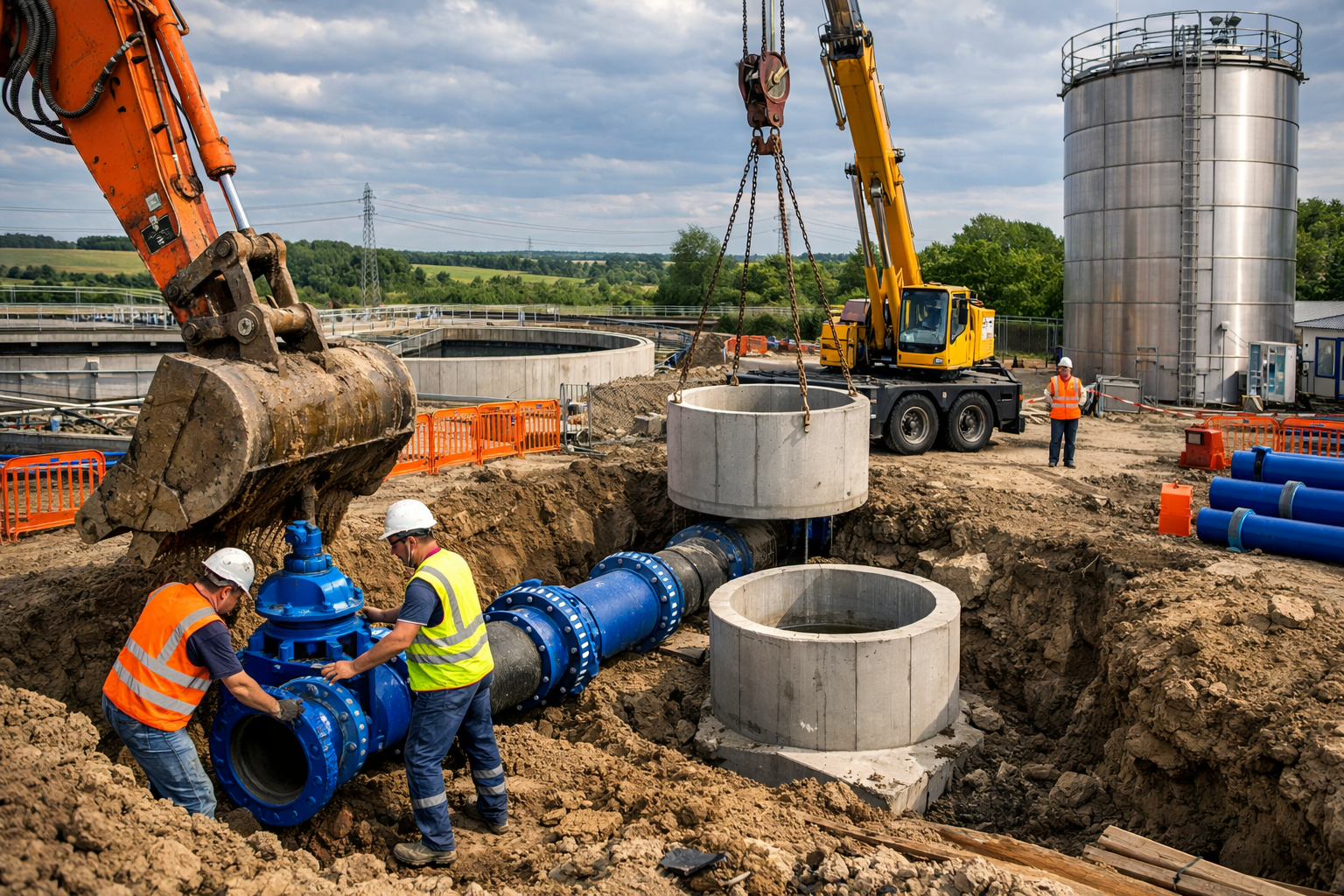
Housing construction absorbs substantial capital before completion, including land payments, infrastructure, utilities, foundations, materials, labour, and sales expenditure. When reservations weaken, that capital remains tied up in plots for longer while interest, preliminaries, and overheads continue to accumulate.
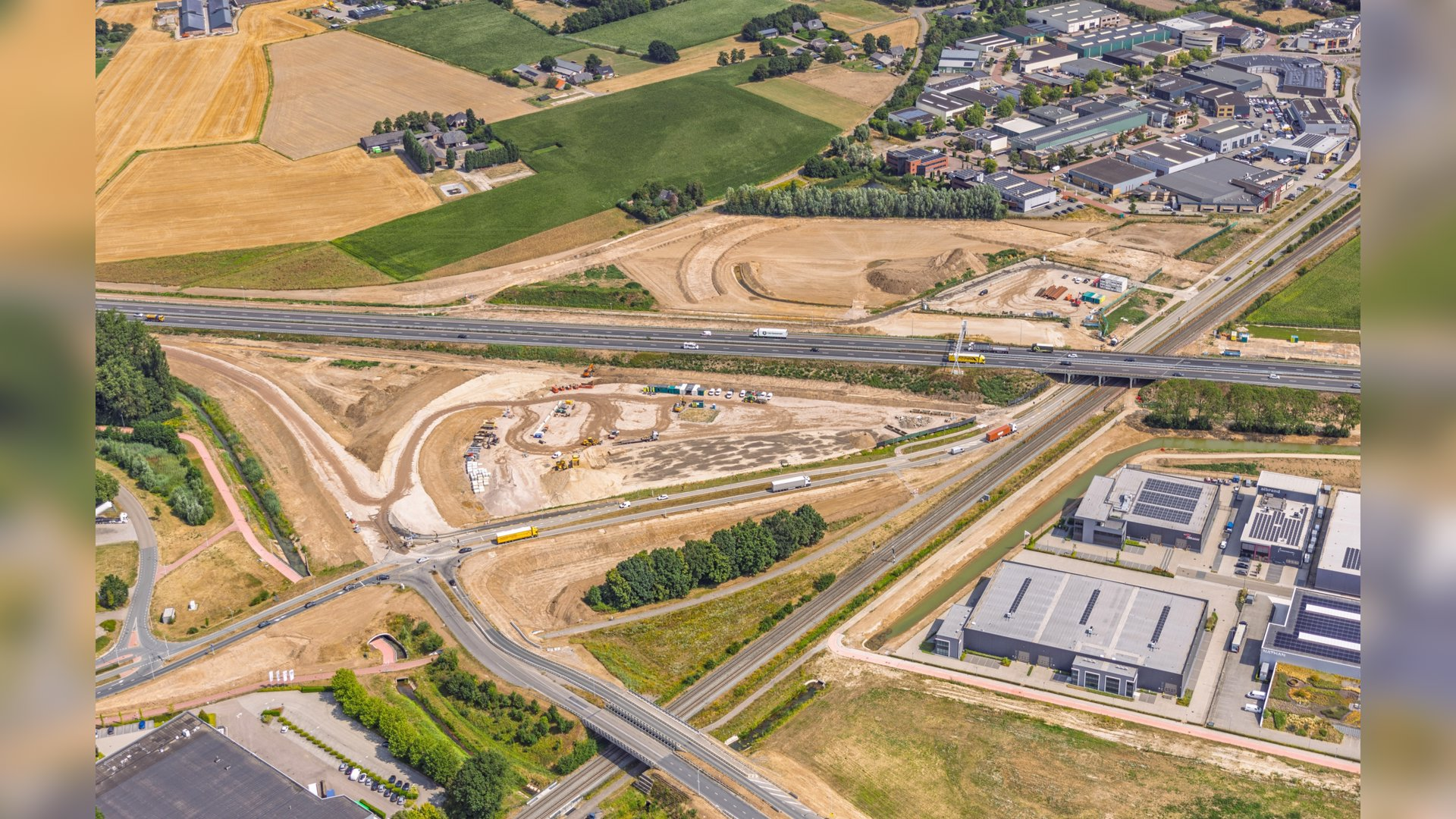
The pressure becomes more acute on larger sites where roads, drainage, schools, public realm, or utility reinforcement must be funded ahead of occupation. Reducing new starts can preserve cash, although it also narrows the future outlet base and limits the number of locations from which sales can be generated.
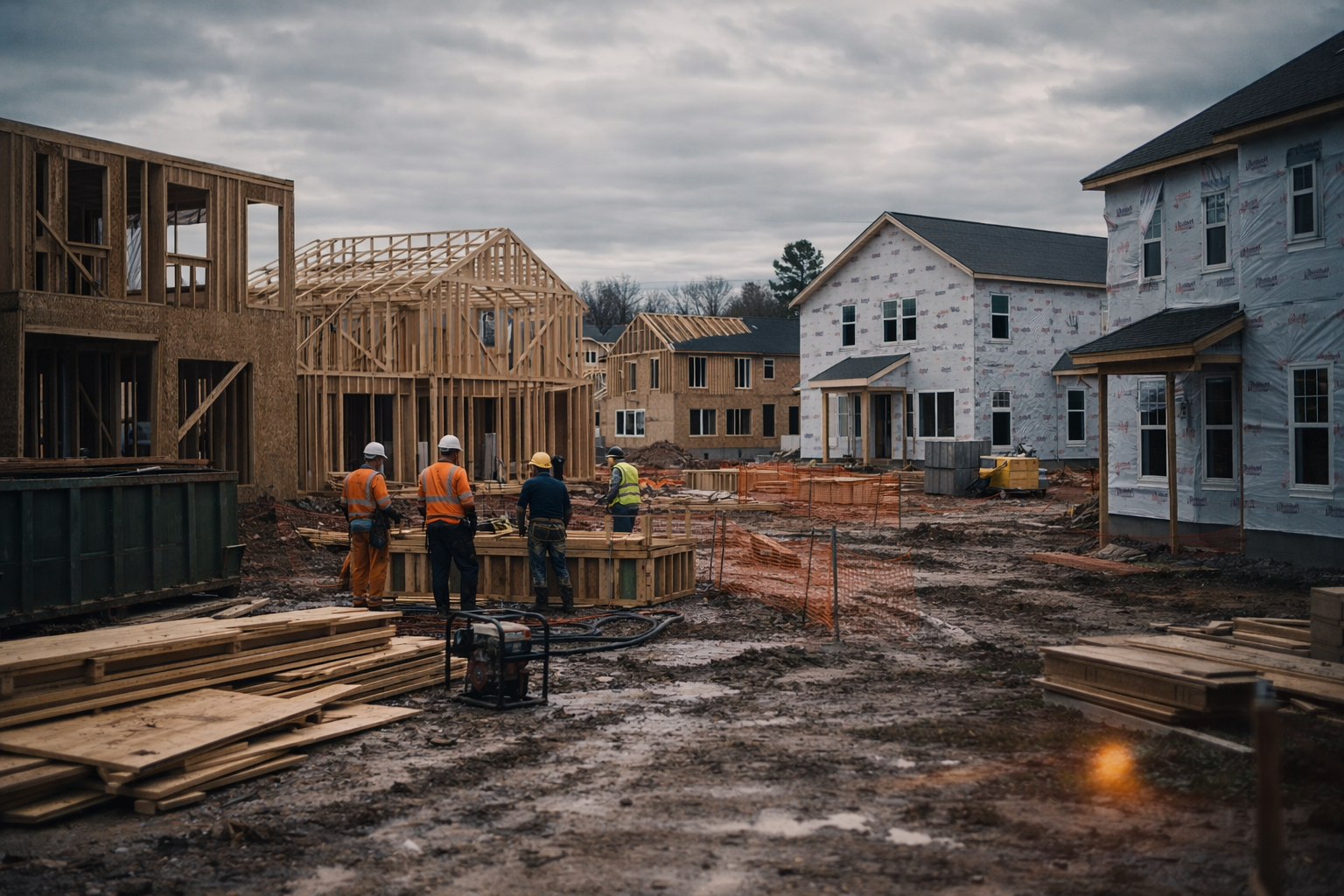
Developers are therefore managing the pace of construction more tightly, releasing phases against visible demand rather than maintaining output across every consented plot. That approach can protect the balance sheet, but it introduces uncertainty for subcontractors and suppliers whose mobilisation, labour, and procurement decisions depend on stable programmes.
Slower build rates reduce package volumes and can extend the period between tender and instruction. Contractors may be asked to hold prices while phase releases are reassessed, even though labour and material costs continue to move and previously reserved capacity may no longer remain available.
The divergence between planning ambition and immediate delivery has become increasingly apparent across the wider market. An examination of construction conditions during the second quarter of 2026 found that approvals and long-term programmes remained stronger than current starts, with financing and commercial confidence continuing to restrain activity.
For Crest Nicholson, recovery will require more than reduced expenditure. The company must improve sales, restore margin, complete older and more complex sites, and retain sufficient construction capacity to respond when demand strengthens.
Its five-star Home Builders Federation customer rating offers support for the product and service proposition, although financial recovery will depend on converting that performance into faster reservations, predictable completions, and less capital tied up in work in progress.
Build-cost inflation of 3% to 4% may appear moderate beside the increases seen earlier in the decade, but it remains substantial when applied across low-margin residential schemes. Materials inflation, remediation obligations, revised building regulations, and higher finance costs can collectively consume the contingency held within older land appraisals.
The extended covenant waiver gives the group additional time to complete lender discussions, while land sales and lower expenditure may improve the year-end debt position. A durable recovery, however, will require stronger underlying housing margins and a more reliable conversion of the order book into completions and cash.