IN Brief:
- Build Warranty is making structural warranties available for HTL.tech 3D construction printed housing projects.
- The move supports developer, funder, and housing-provider confidence in 3D printed construction.
- Warranty availability could help move 3DCP from demonstrator schemes into more repeatable housing delivery.
Build Warranty has extended structural warranty coverage to housing projects using HTL.tech’s 3D construction printing technology, removing a practical barrier to wider adoption of printed building systems.
The arrangement means structural warranties can be made available for HTL.tech 3D construction printed housing projects, subject to assessment, technical auditing, and project-specific requirements. Developers, funders, housing providers, and end clients will be able to approach the method with a clearer assurance route than is often available for emerging construction systems.
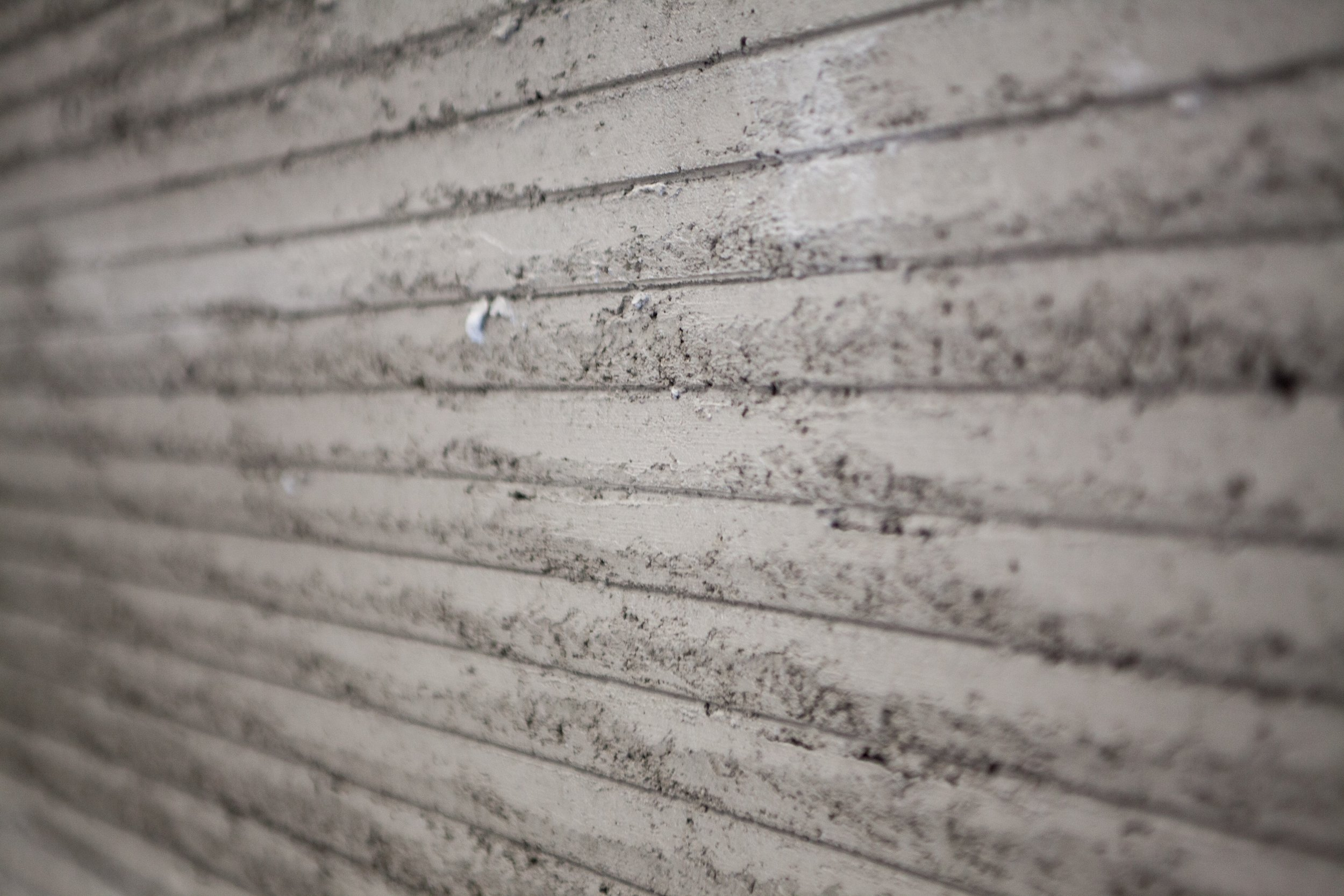
HTL.tech uses 3D construction printing to produce housing components through an automated additive process. The company positions the technology around faster production, reduced material waste, improved precision, and the ability to combine printed and prefabricated components within a broader construction programme.
Warranty coverage often determines whether a construction technology can move from demonstration into normal procurement. A system may perform well in prototype or limited project settings, but developers still need warranty, insurance, funding, building control acceptance, durability evidence, and a clear route through sales or long-term ownership before it can be specified with confidence.
In residential delivery, structural warranties sit close to lender confidence and asset value. A developer may be prepared to trial an unfamiliar construction method, but purchasers, mortgage lenders, housing associations, and funders need assurance that the completed home can be assessed, insured, maintained, repaired, and sold over time. Without that support, innovation can remain trapped in single-project trials.
3D construction printing is one of several modern methods of construction seeking a larger role in housing delivery. Its appeal is based on automation, repeatability, waste reduction, and the possibility of reducing some site-based labour demands. The harder task is making that model work in a housing market built around established trades, conventional contracts, recognised warranties, conservative funding, and regulation that is still adapting to non-traditional methods.
HTL.tech’s technology has been developed with housing applications in mind, including affordable and repeatable delivery models. That places the company within a wider industrialised construction movement, where more design, quality control, and manufacturing logic is moved upstream before work reaches the site. The construction phase then becomes less dependent on variable site conditions and more reliant on controlled production, digital design, and verified assembly.
The warranty step does not remove the need for project-by-project scrutiny. Printed structures still need robust testing, quality records, material traceability, workmanship controls, fire and moisture performance, durability evidence, and clear maintenance information. Those requirements are familiar across modern methods of construction, but they become sharper where the method is new to clients or lenders.
For contractors, 3D construction printing is now entering a more practical phase. The question is no longer only whether a printer can produce a wall or housing component. The commercial test is whether the system can sit inside the full chain of design, certification, funding, delivery, sales, maintenance, and long-term liability.
The wider housing market adds pressure to that test. Delivery remains constrained by planning delays, labour availability, cost inflation, mortgage affordability, and tightening building standards. Modern methods of construction are frequently presented as part of the answer, but they must compete with conventional construction on programme, price, performance, assurance, and familiarity. Warranty access gives printed housing a stronger footing in that comparison.
As developers look for ways to reduce cost volatility and improve delivery certainty, technologies that combine automation with credible assurance will receive closer attention. The next stage for 3D construction printing will depend less on spectacle and more on repeatable projects, clear certification, and confidence from the organisations that finance, insure, sell, and occupy the finished homes.