IN Brief:
- A2Dominion is investing £16m in home energy and resilience improvements over the next few years.
- The programme includes insulation, heating, ventilation, damp and mould prevention, and climate-adaptation measures.
- The work reflects wider pressure on housing providers to improve existing stock rather than relying on new-build performance alone.
A2Dominion is investing £16m in a programme of home upgrades covering insulation, heating, ventilation, energy performance, damp and mould prevention, and climate resilience.
The housing provider said the programme will be delivered over the next few years and will focus on homes where it has maintenance responsibility. Initial work will target lower-rated properties, with measures selected to improve comfort, reduce heat loss, and support lower energy demand.
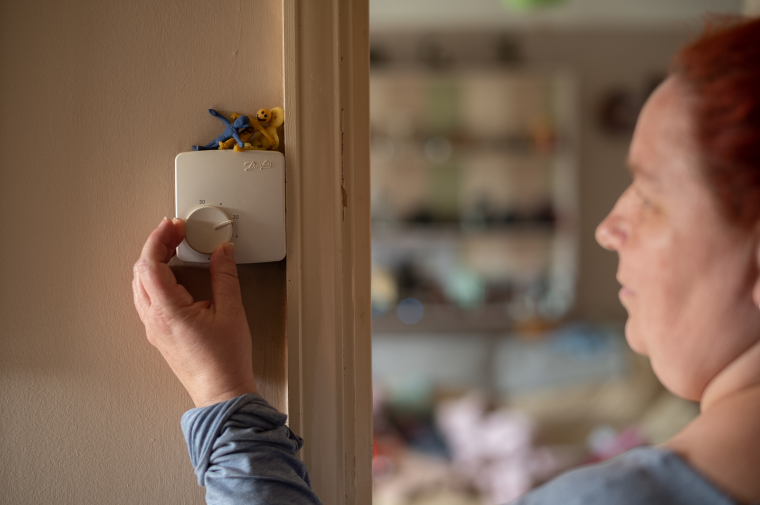
Planned interventions include insulation upgrades, window and door improvements where required, heating-system works, better ventilation, and measures to reduce damp and mould. The programme will also include climate-resilience activity linked to overheating, flooding, and water management.
A2Dominion said the investment forms part of a wider sustainability plan for its homes. The organisation has already improved the proportion of its stock rated EPC A to C from 56% in 2019 to 81%, and the new funding is intended to continue that progress.
Across the housing sector, existing stock has become one of the hardest delivery challenges. New-build standards attract policy attention, but older homes often carry inconsistent insulation, ageing heating systems, poor ventilation paths, and fabric issues that increase bills, condensation risk, and maintenance demand.
Retrofit programmes of this type require careful coordination because the work is usually carried out in occupied homes. Surveying, access, resident liaison, sequencing, services upgrades, fabric improvements, ventilation, and aftercare all need to be planned together. Poorly coordinated measures can create new problems, particularly where insulation is improved without a suitable ventilation strategy.
The inclusion of damp, mould, overheating, and flood resilience shows how housing retrofit briefs are widening. Energy efficiency remains central, but asset owners are increasingly linking building performance with health, safety, maintenance, and climate adaptation. That creates more complex work packages involving surveyors, energy specialists, ventilation designers, M&E contractors, fabric installers, and resident support teams.
The investment also reflects the direction of national retrofit policy. Government-backed programmes are placing greater emphasis on warmer homes and lower energy use, while registered providers are under continued pressure to raise EPC performance and respond faster to poor housing conditions. Funding remains a constraint, but existing homes are becoming a long-term construction and maintenance market in their own right.
Delivery quality will determine the value of the programme. Housing providers need measures that can be repeated across large portfolios, but stock condition varies heavily by age, type, location, and previous repair history. A standard specification can reduce cost, yet enough flexibility is needed to avoid installing the wrong solution in the wrong property.
For contractors, that means retrofit work is increasingly becoming a technical and operational discipline rather than a simple upgrade package. The best programmes combine robust surveys, coordinated design, quality assurance, resident communication, and post-installation checks. A2Dominion’s investment sits within that broader shift towards treating existing homes as assets that must be systematically upgraded, monitored, and adapted over time.