IN Brief:
- The Environment Agency has confirmed a 33-pilot drone capability focused on waste crime enforcement.
- Lidar-equipped drones are intended to produce detailed site maps to support evidence gathering and prosecutions.
- New data screening tools and an expanded Joint Unit for Waste Crime sit alongside increased enforcement funding.
The Environment Agency has announced an expanded drone capability to support waste crime enforcement, with a dedicated 33-strong team of trained pilots tasked with increasing aerial surveillance of suspected illegal waste activity. The move forms part of a wider package of investigative tools and enforcement resource aimed at identifying illegal sites, tracking operators, and supporting prosecutions.
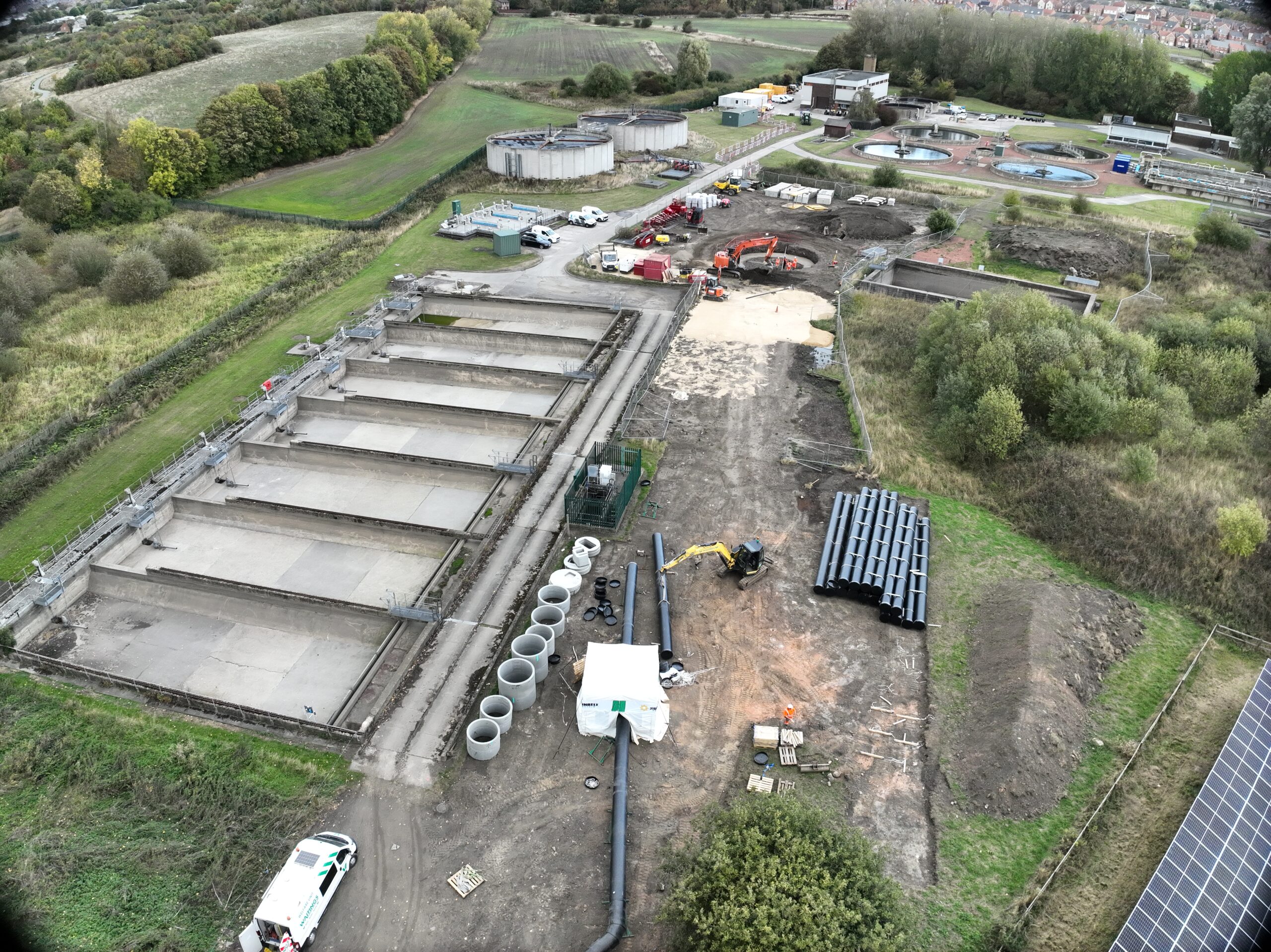
The agency says drones will be used to locate and monitor illegal dumping activity, with some units upgraded to carry Light Detection and Ranging (Lidar) technology. Lidar works by firing large volumes of laser points towards the ground to create detailed terrain models, enabling high-resolution mapping of dumped material and site features that can be used in case files. The agency notes that Lidar has typically been flown from dedicated aircraft for flood information, with the shift towards drone deployment intended to increase flexibility and precision for enforcement work.
Operationally, the agency reports that its drones have already been used extensively, stating that since July 2025 they were deployed for 272 hours. The enhanced team is expected to allocate a greater proportion of flight time towards waste crime, alongside the agency’s other monitoring responsibilities.
The drone deployment is being paired with a new screening tool designed to identify suspect operators earlier in the logistics chain. Each week, the Office of the Traffic Commissioner publishes reports listing new applications for heavy goods vehicle operator licences. The Environment Agency says its new software checks those applications against the agency’s public register, identifying which operators also hold waste permits and waste carrier licences, and flagging potential risks where inconsistencies or patterns emerge. The agency states the tool has already been trialled in East Anglia, where it helped uncover an operator that had relocated HGV operations to evade enforcement.
The wider enforcement package includes additional investigative capacity. The Environment Agency says its Joint Unit for Waste Crime has increased from 13 to 20 specialists, including former police officers, and works with law enforcement partners including police forces and the National Crime Agency. The agency also cites a record year for waste enforcement, stating that 751 illegal waste sites were shut down, alongside 221 prosecutions against waste criminals up to March 2025.
Phil Davies, head of the Joint Unit for Waste Crime, said: “Illegal waste dumping is appalling, and we are determined to turn the tide on this heinous crime.” The agency has linked the operational changes to increased funding for enforcement, with the enforcement budget rising to £15.6m.