IN Brief:
- Westmorland and Furness Council has awarded WSP two principal bridge inspection contracts covering 22 structures.
- The Eden contract covers 12 bridges at £34,168 including VAT; South Lakes and Barrow covers ten at £39,024 including VAT.
- Both awards require a principal inspection report for each bridge and do not themselves commission repairs.
WSP has been appointed by Westmorland and Furness Council to undertake principal inspections of 22 bridges across two parts of Cumbria, following the 19 October publication of separate contract award notices. The engineering consultancy will inspect 12 bridges in the Eden area and ten in South Lakes and Barrow, providing a principal inspection report for each structure. The appointments concern condition assessment rather than a programme of physical repairs.
The Eden award has a recorded contract value of £34,168 including VAT, while the South Lakes and Barrow award is valued at £39,024 including VAT. The combined published value is therefore £73,192 including VAT across the two commissions. They are separate below-threshold awards made through limited competition. Their published values should not be interpreted as bridge rehabilitation budgets or as an estimate of remedial work that the council might subsequently instruct.
The contract notices specify a principal inspection report for each of the 22 structures, but do not name the bridges or identify their design, condition or location beyond the two areas. Those reports will establish observations for individual assets; the awards themselves provide no evidence that a bridge is unsafe or that strengthening, replacement or other repairs have been authorised. Engineering decisions on remedial intervention follow the condition evidence, rather than the award of an inspection contract.
A principal inspection is more detailed than a routine examination of an accessible structure from ground level. Highway authorities use close visual inspections to understand the condition of structural elements and to build the evidence required for maintenance decisions. The exact investigation method varies with the bridge: a masonry arch, a steel span and a reinforced-concrete deck can have different characteristic deterioration and may require different access arrangements before engineers can assess them properly.
Masonry bridges can show movement, cracking, joint erosion, water penetration and the condition of parapets or other exposed fabric. Concrete spans may require inspection of cracking, exposed reinforcement, spalling, bearings and drainage details, depending on their construction. Steel structures may need attention to corrosion, protective coatings and connections. These are examples of defects an inspection might encounter, not findings from the 22 structures in the new contracts.
Access can be an important practical constraint. Bridge soffits, bearings and underside connections may not be visible from the carriageway or adjoining paths, particularly where a road crosses a watercourse, railway or steep terrain. Authorities can therefore use specialist access or close examination where the geometry and risk justify it. The published WSP awards do not specify whether any such equipment, traffic management or waterway possession will be required, so none should be assumed for this programme.
The inspection process is also distinct from intrusive testing or structural assessment. A visual condition report can identify observed deterioration, likely mechanisms, uncertainties and areas requiring further examination, but a load-capacity calculation, materials testing or detailed repair design is a different task. The Eden and South Lakes notices require principal inspection reports and do not explicitly commission structural strengthening calculations or design-and-build remedial works.
Separate reports allow the council to record which components were accessible, which defects were observed and which areas require closer examination. Comparisons with earlier records may reveal whether cracking, corrosion or joint deterioration is stable or progressing. A reported defect may prompt monitoring, a specialist assessment or a protective measure according to its seriousness, but the award notices disclose no such findings for the structures being inspected.
The two geographic packages reflect the range of highway assets managed by Westmorland and Furness Council, formed in 2023 and responsible for roads and associated infrastructure across a large part of Cumbria. The procurement descriptions are limited to the Eden and South Lakes/Barrow areas and do not establish a countywide inspection award to WSP. Nor is there evidence that the contracts cover every bridge in either area.
Highway authorities generally combine regular condition checks with more intensive principal inspections and targeted assessments after incidents or when defects warrant them. Principal inspection intervals are often set through nationally recognised bridge-management practice, adjusted according to asset circumstances and the authority’s own programme. Westmorland and Furness has not published the scheduled inspection history of these 22 bridges in the notices, so neither their previous condition grades nor any overdue-inspection status can be inferred.
Inspection information can guide later budgets by separating immediate safety measures from longer-term work such as waterproofing, masonry repairs, bearing maintenance or drainage improvements. Water is a recurrent concern because blocked drainage and failed waterproofing can expose parts of a bridge to persistent moisture and accelerate deterioration. Any specific recommendation must still follow the actual inspection findings and the council’s subsequent engineering and funding decisions.
A condition report may recommend cleaning blocked drainage, investigating movement, addressing failed waterproofing or examining vulnerable bearings, depending on the bridge and the evidence collected. Such recommendations do not themselves release capital expenditure. The council would need to determine urgency, technical scope, approvals and a suitable delivery route before a separate contractor could undertake substantive repairs. WSP’s October appointments are explicitly for inspection consultancy and reporting.
The notices identify WSP UK Limited as supplier and classify the work under bridge inspection services. Although the published figures give a useful measure of the inspection commissions, they do not disclose the depth of individual investigation, anticipated number of site visits or timetable for reporting on each structure. The records establish an award rather than completion of an inspection campaign.
WSP’s immediate deliverables are the 22 individual principal inspection reports. Their findings may inform the council’s maintenance programme, future structural assessments or subsequent works procurement, but none of those next steps has been announced. The recorded October awards establish a bounded condition-investigation programme across Eden and South Lakes/Barrow, worth £73,192 including VAT across two separate contracts.
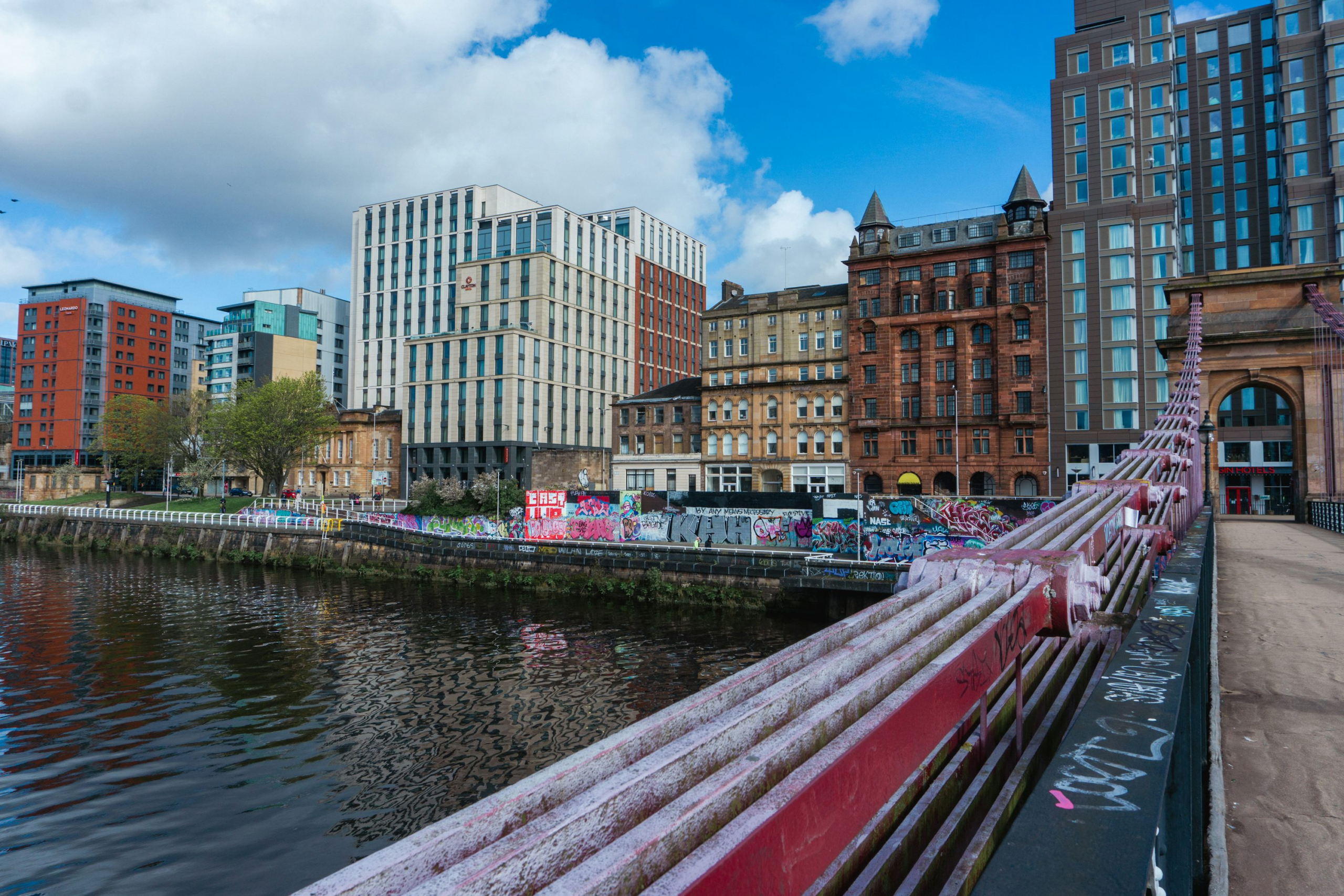
Featured image is illustrative: a road bridge, not one of the structures covered by the Cumbria inspection appointments.