IN Brief:
- The proposed duty covers qualifying residential buildings over 11 metres or with at least five storeys.
- Responsible parties could face significant financial penalties or criminal prosecution for deliberate inaction.
- A separate register would identify medium-rise residential buildings and their registration duty-holders.
The government has introduced legislation that would place a specific legal duty on those responsible for residential buildings to assess unsafe cladding and undertake the necessary remediation, backed by penalties for persistent failure to act. The Ministry of Housing, Communities and Local Government introduced the Building Safety (Remediation of Unsafe Cladding etc) Bill to Parliament on 14 October, seeking to replace an enforcement process that often depends on individual statutory notices, tribunal proceedings and prolonged disputes.
The proposed duty would apply in England to multi-occupied residential buildings over 11 metres in height or with at least five storeys, provided they were completed before 28 June 2022. It would cover private and social housing, including buildings managed through right to manage companies and commonhold arrangements. Buildings already covered by the Developer Remediation Contract would be excluded from this particular duty because equivalent contractual obligations are in place. The legislation is not yet law, and a number of operational requirements would depend on subsequent regulations.
Under the Bill, the person or organisation holding the relevant repairing obligation would have to establish whether the external walls present life-critical fire safety risks. Where an appropriate fire risk assessment indicates a need for a Fire Risk Assessment of External Walls, that further appraisal would determine the recommended work. The government intends to standardise how these specialist assessments are conducted and independently audited, reducing scope for inconsistent conclusions about whether cladding needs to be removed, replaced or otherwise made safe.
Buildings requiring intervention would also need a published Remediation Compliance Plan. The document would identify the steps proposed, their indicative completion dates and, where the responsible entity is a company, the director accountable for compliance and relevant beneficial ownership information. The plan would have to appear on the duty-holder’s website and be shared proactively with residents and leaseholders, allowing them to compare the programme with subsequent work on the building. The statutory deadline would be 15 months after Royal Assent, rather than 15 months after the Bill’s introduction.
Deliberate refusal by a responsible entity to take reasonably practicable steps could lead to criminal prosecution, with a maximum two-year prison sentence on conviction. Regulators could instead impose a financial penalty of up to £500,000. Separately, the Bill would strengthen the First-tier Tribunal’s power to fine parties who persistently fail to comply with a Remediation Order, with penalties of up to £500,000 and further sanctions for continued non-compliance. The regime would retain a reasonable-excuse defence for delays outside a duty-holder’s control, including genuine contractor shortages. These proposed sanctions are distinct from penalties under the existing building safety framework.
The legislation would establish a backstop for buildings where the duty-holder repeatedly fails to act. In qualifying cases, an authority such as Homes England or a local council could seek a Remediation Management Order from the First-tier Tribunal and arrange the work itself, with recovery of the relevant costs pursued against the responsible party. This is intended as a last resort rather than a replacement for building owners’ obligations. It would also give public authorities a route to intervene where fragmented or absent ownership has effectively stalled a project.
Identification of buildings is addressed through a proposed register of occupied medium-rise residential blocks. The existing higher-risk building register generally covers buildings of at least 18 metres or seven storeys; the new power would allow a register covering the 11-to-18-metre range, including qualifying buildings of five or six storeys. Registration would record relevant building characteristics and the responsible party, improving the information available to regulators when determining which external walls require assessment. Registration requirements, charging arrangements and penalties for non-compliance would be detailed in secondary legislation.
Manufacturers of unsafe construction products could also face a clearer route to claims from developers, contractors and others that have already paid for remedial works. The Bill proposes to simplify the statutory tests around product safety, misleading conduct and a product’s contribution to a building being unsafe. These provisions concern recovery of costs; they would not remove the need to establish responsibility or demonstrate the relevant connection between a product and a building’s condition.
The government says more than 470 additional buildings have completed cladding remediation since its Remediation Acceleration Plan, benefiting around 35,000 residents. Earlier official monitoring showed the scale of buildings still awaiting work, while the new Bill is expected to improve routes to remediation for around 12,000 residents, including 3,000 in buildings potentially benefiting from the public-authority backstop.
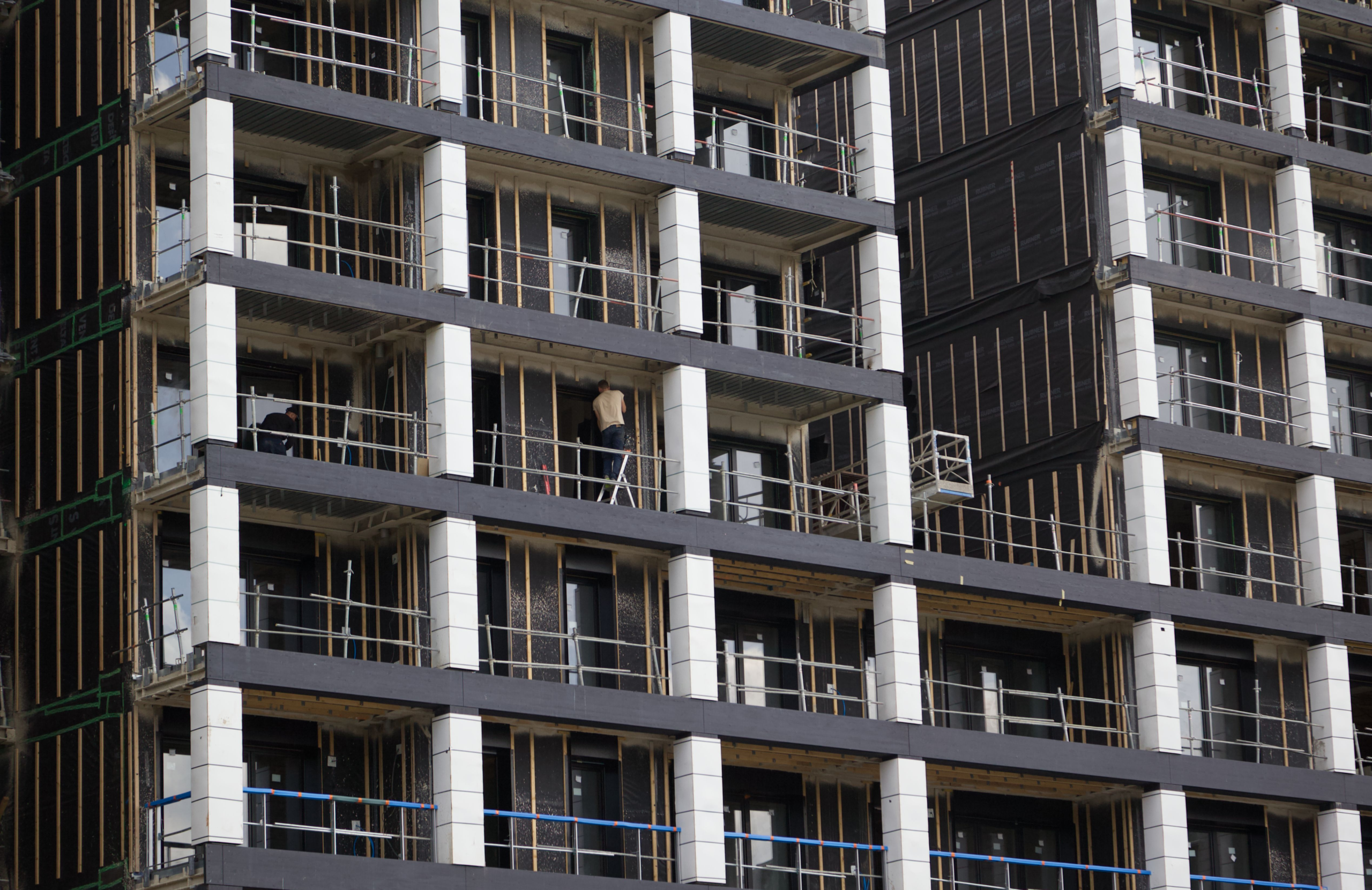
Assessment, procurement and construction will still determine the pace of remediation. External wall surveys must establish which defects pose life-critical risks, the appropriate remedial method must be designed, and competent contractors must obtain access to occupied buildings before façade work begins. Replacement systems and temporary protective measures may require separate approvals and coordinated programmes. The proposed duties would strengthen the means of compelling progress, but practical delivery will depend on the required assessments, guidance and available construction capacity.