IN Brief:
- The Sizewell Link Road and Two Village Bypass are reported to be running six to 12 months behind schedule.
- Galliford Try’s original packages are being transferred to Kier and Breheny after disagreement over commercial terms and costs.
- Delayed permanent highways increase pressure on the wider road, rail, sea, and freight infrastructure supporting Sizewell C construction.
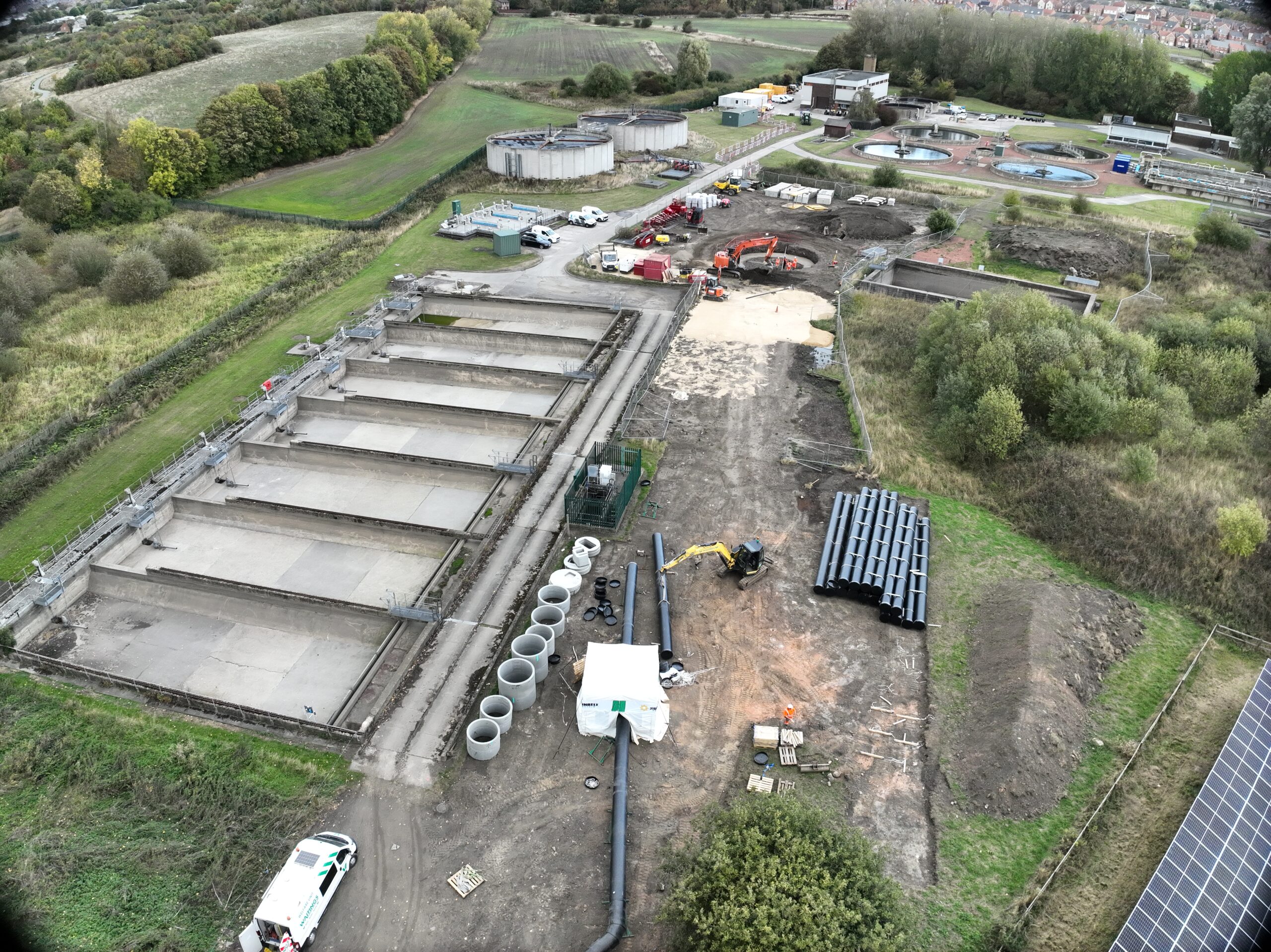
Sizewell C is facing delays to two permanent road schemes in Suffolk after changes to the contractors delivering the Sizewell Link Road and Two Village Bypass, disrupting part of the logistics programme supporting construction of the £38bn nuclear project.
The 6.5km Sizewell Link Road and 1.8km Two Village Bypass were commissioned to divert construction traffic away from communities around the A12 and B1122. Galliford Try was appointed in 2025 to deliver both schemes, with the Link Road designed to bypass Theberton and Middleton Moor and the second route to take traffic around Farnham and Stratford St Andrew.
The Financial Times reports that Galliford Try has been replaced following disagreement over commercial terms and project costs, with Kier and Breheny Civil Engineering taking over the affected work. The two road schemes are now expected to complete between six and 12 months later than previously planned, while substantial design changes are reported to have added around £30m to the programme.
Galliford Try had already started preliminary activity under a package estimated at £150m to £200m. Transferring a live civil engineering programme requires more than changing the contractor named against the job: design information, surveys, procurement packages, temporary works assumptions, subcontract arrangements, records, and commercial responsibilities all have to be transferred without creating further delay.
Road delay feeds into construction logistics
The original programme expected the Two Village Bypass to be completed by the end of 2026 and the Sizewell Link Road during 2027. Both routes sit within a wider logistics strategy that also includes rail movements, sea freight, park-and-ride facilities, freight management sites, and other road improvements.
Sizewell C has committed to delivering 60% of construction materials by rail or sea, reducing the amount of freight that must use Suffolk’s existing road network. The permanent access roads nevertheless remain central to the programme because workers, smaller loads, services, and freight that cannot be transferred to rail or sea still need reliable routes into and around the construction area.
Breheny is not new to the project. The Suffolk contractor was already appointed to build connecting A12 roundabouts at Friday Street and Yoxford, giving it an existing role in the local highways programme. That experience may simplify some interfaces, although the additional road packages still expand the scale and sequencing burden carried by the replacement delivery structure.
The roads are also mitigation infrastructure rather than purely internal construction assets. Their stated purpose includes reducing heavy project traffic through nearby villages during a decade-long construction programme, so delays have a direct consequence for temporary traffic management and the period during which existing roads may have to absorb more project movements.
Sizewell C reached final investment decision in 2025 with an estimated capital cost of around £38bn in 2024 prices. The project is intended to replicate much of the Hinkley Point C design and carry lessons from that programme into Suffolk, but repeat design does not remove site-specific requirements such as highways, logistics, ground conditions, environmental mitigation, and local infrastructure.
Those enabling packages can become disproportionately important when their completion dates interact with the main construction sequence. A nuclear island may account for far more capital expenditure, but access roads determine how people, plant, and material reach the site and how the surrounding area absorbs those movements during peak construction.
The reported contractor switch also illustrates the commercial tension that remains on large infrastructure programmes even after investment approval. Fixed programme ambitions still have to coexist with design development, inflation, risk allocation, and negotiations over what changed scope should cost. Replacing a contractor can prevent an unresolved commercial dispute from continuing indefinitely, but it introduces mobilisation and handover risk of its own.
Kier and Breheny now have to stabilise delivery while the wider Sizewell programme continues around them. Rail, marine, freight, workforce, and main-site construction will not stand still while the roads are recovered, leaving the highways team to fit a revised programme into an infrastructure sequence that was already designed around earlier completion dates.
A delay of six to 12 months is modest beside the lifespan of a nuclear project, but the roads were intended to be available during the period when construction traffic increases. Their programme therefore matters most before the reactors are finished, and any recovery plan will be judged by how quickly the permanent routes can begin performing the local mitigation role for which they were approved.