IN Brief:
- The £3.5 million package covers construction logistics across the occupied Barbican Centre.
- Services include labour, access control, deliveries, lifting, waste, temporary works, welfare, and fire logistics.
- The proposed contract runs from March 2027 to August 2029, with an extension available to February 2030.
City of London Corporation has opened procurement for a £3.5 million construction logistics package supporting the refurbishment of the occupied Barbican Centre.
The trade contract sits within the construction management structure being used for the Barbican Renewal Programme, with Blue Sky Building already appointed as construction manager. The logistics contractor will coordinate many of the temporary systems, people and movements needed to keep individual construction packages operating across the Grade II listed cultural complex.
The scope includes logistics management and labour, traffic marshals, hoist and lift operators, slingers, signallers, security staff, fire marshals, welfare teams and cleaning staff. Out-of-hours and weekend cover is also included.
The contractor will manage site accommodation, access control, CCTV interfaces, vehicle and pedestrian gates, visitor management, delivery booking, unloading areas and temporary traffic arrangements. Internal material movement forms another substantial part of the package, using equipment including hoists, pallet trucks, forklifts, telehandlers, stair climbers and temporary lifting systems.
Waste, housekeeping and protection duties are included rather than being split into separate support contracts. The logistics team will manage segregation, collection, skips, compactors, hazardous waste arrangements and environmental reporting while protecting retained floors, walls, doors, lifts and finishes.
The published programme shows an estimated contract start of 8 March 2027 and a current end date of 23 August 2029. An extension to February 2030 is available if programme changes or unforeseen conditions require the service to remain in place.
The logistics procurement follows Blue Sky Building’s appointment to manage construction delivery across the wider renewal programme. Under the construction management model, individual trade packages are contracted separately while common logistics, sequencing and site control become central to delivery.
That structure makes the logistics contractor more than a delivery coordinator. Much of the Barbican will remain operational during portions of the programme, requiring construction movements to coexist with staff, performers, visitors, neighbouring occupiers and retained services.
The most intensive construction period is expected between June 2028 and June 2029, when most activity at the Centre will pause. Work before and after that closure will still need to be phased around operating areas, placing additional pressure on access planning and temporary circulation.
Phase 1 of the renewal has a funding requirement of £231 million, with the City Corporation committing £191 million. Approved works cover areas including the Conservatory, foyers, lakeside terrace, catering facilities and essential infrastructure, with a retrofit-led approach intended to retain as much existing fabric as practical.
Separate trade packages demonstrate the level of coordination involved. Major mechanical, electrical and public health works are planned alongside demolition, structural interventions and refurbishment of existing spaces. Each contractor will depend on shared delivery routes, lifting facilities, welfare arrangements and temporary safety systems.
A failure in one part of that logistics system can affect several trades. A delayed delivery can obstruct shared routes, an unplanned lift can interrupt access, and poorly controlled dust or noise can affect areas beyond a single workface. On an occupied cultural site, temporary arrangements effectively become another layer of building operation.
Fire logistics are particularly important. Temporary fire points, extinguishers, signage, evacuation routes, drills and muster arrangements will have to adapt as construction zones change, while temporary alarms and access routes remain coordinated with the Centre’s wider safety arrangements.
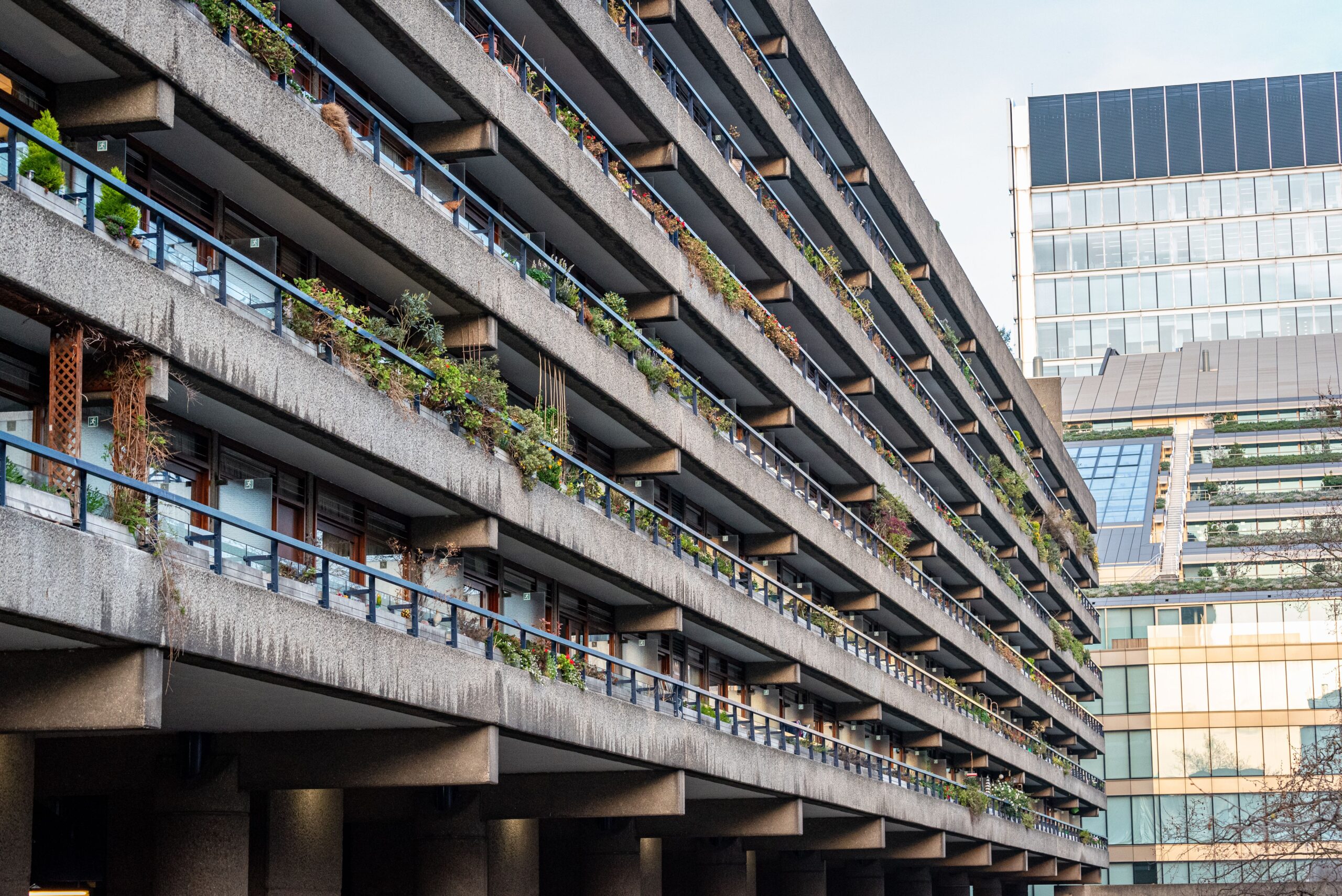
The listed status of the Barbican adds further constraints. Existing Brutalist fabric, architectural finishes and public spaces form part of the asset being preserved, so material movement and temporary protection must be managed without creating avoidable damage.
Site-wide logistics will also have to respond as individual trade packages start, overlap and complete. Access routes that work during enabling operations may become unavailable once structural or services work advances, requiring the logistics plan to change repeatedly through the programme.
The £3.5 million package is therefore closer to a temporary operating system for the construction programme than a conventional traffic management contract. Labour, deliveries, lifting, waste, fire precautions, welfare, security and temporary access all have to function together while the building changes around them.
The current procurement timetable points towards an award in early 2027. Once appointed, the logistics contractor will become one of the programme’s most continuous site presences, remaining in place while specialist packages move through the Barbican around it.