IN Brief:
- Origin has launched a new tilt-and-turn window as part of its aluminium window range.
- The system offers tilt ventilation, full inward opening, flush casement aesthetics, and PAS 24 security certification.
- The product is manufactured at Origin’s Buckinghamshire facility and is available in more than 150 RAL colours.
Origin has launched a new aluminium tilt-and-turn window system for its partner network, adding a fully engineered product to its window range.
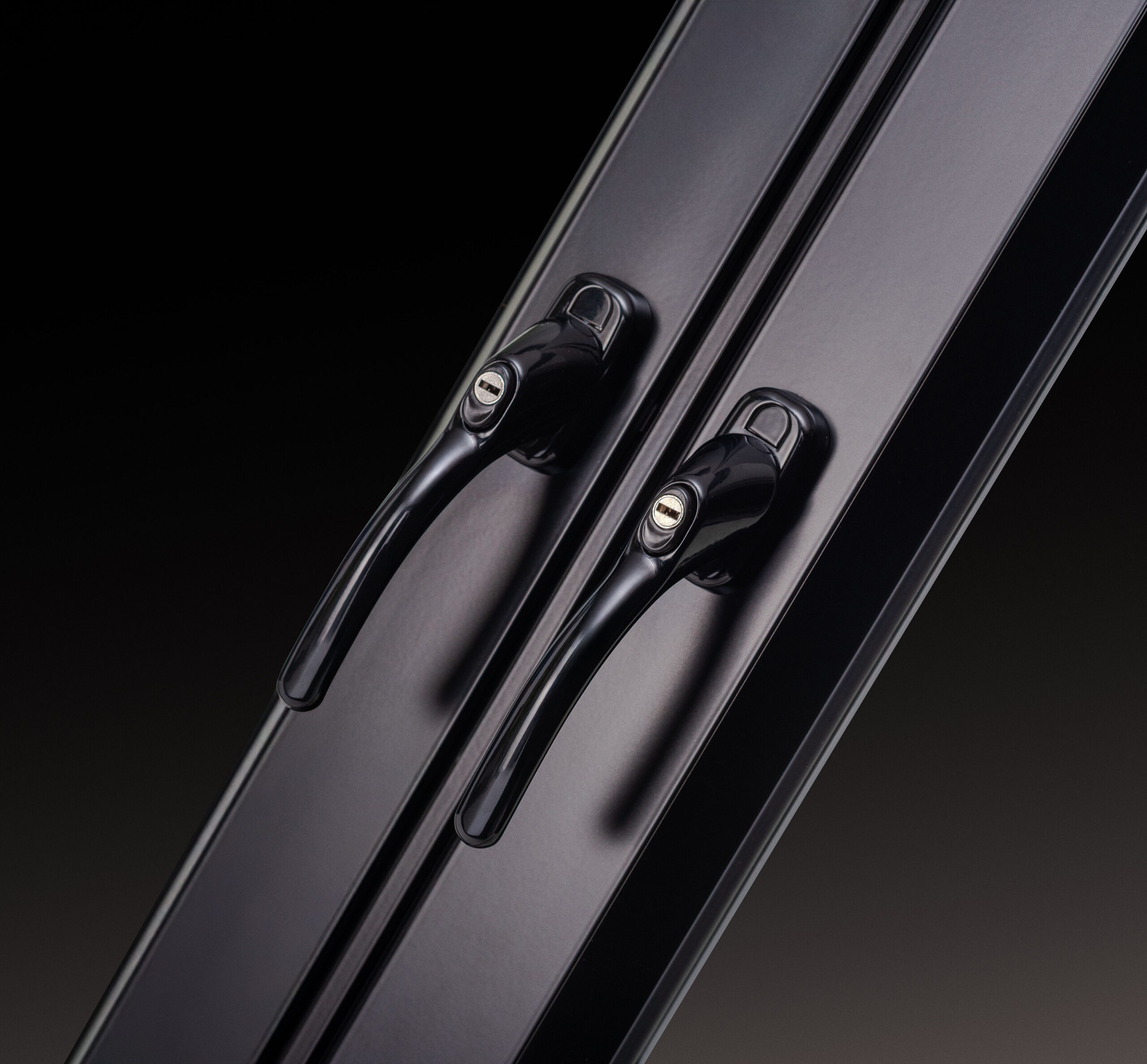
The system is designed to offer dual opening modes, allowing the sash to tilt inward for ventilation or turn inward for wider opening and easier cleaning access. It uses a flush casement design and is being positioned around design flexibility, performance, and partner showroom opportunities.
Origin said the tilt-and-turn window is manufactured and finished to client requirements at its Buckinghamshire facility. The system can be made in window and door-sized apertures and is available in more than 150 RAL colours.
The company has also highlighted a U-value as low as 0.83W/m²K and PAS 24 certification. The product is offered with a guarantee of up to 20 years, depending on specification and conditions.
The launch follows continued movement in the fenestration market towards higher-performance, more flexible systems that can serve new-build, refurbishment, and higher-specification residential projects. Tilt-and-turn formats are already familiar in many European markets, and demand in the UK has been increasing as clients look for secure ventilation, easier maintenance, and contemporary inward-opening options.
For installers and specifiers, the commercial value lies in broadening the design conversation. A flush aluminium tilt-and-turn system can support apartment schemes, self-build homes, retrofit projects, and properties where controlled ventilation and clean external sightlines are part of the brief.
Maintenance access is also part of the appeal. Inward-opening systems can reduce the need for external cleaning access, particularly on upper floors, tight plots, or urban developments where external reach is difficult or costly.
Performance remains a central driver of product development. Window specification is being shaped by tighter energy expectations, changing ventilation strategies, Part L requirements, overheating concerns, and customer demand for better-finished products. Thermal performance is no longer reserved for premium projects; it is increasingly part of baseline specification across residential and mixed-use work.
Security has become similarly important. PAS 24 certification gives installers and specifiers a recognised route through security requirements, particularly on projects where doors and windows need to align with building control, warranty, insurance, or client expectations.
Combining that with bespoke sizing and broad colour availability gives the system a route into both standard and design-led projects. For manufacturers, the ability to offer design flexibility without losing production control is becoming a competitive advantage.
The launch also shows how manufacturers are working more closely with installer partners. Product breadth, showroom presentation, lead times, technical support, and warranty confidence all influence whether installers can convert higher-value projects. A new system therefore becomes both a product and a commercial tool for the dealer and installer network.
The UK fenestration sector has faced pressure from cost inflation, softer consumer demand, and fluctuating retrofit activity, but product development has continued around aluminium, heritage-style systems, energy performance, security, and digital sales tools. Manufacturers with in-house production and stronger partner support are seeking to protect margins by giving installers a wider specification offer rather than competing solely on price.
Windows remain a small but critical interface in the building envelope. Product decisions affect airtightness, overheating, daylight, thermal performance, acoustics, safety, maintenance, and aesthetics. As compliance requirements tighten, better documentation and more predictable system performance are becoming increasingly valuable.
Origin’s tilt-and-turn launch adds another option to that specification mix. Its success will depend on how quickly partners can use the system in live projects, how clearly the product is documented for specifiers, and whether performance, lead time, and finish quality hold up across varied residential and light commercial applications.