IN Brief:
- The K60H combines a 60-metre-class boom with seven articulated sections.
- A minimum unfolding height below 10m supports work beneath site obstructions.
- The five-axle machine provides pumping output of up to 180m³ per hour.
CIFA has introduced the K60H truck-mounted concrete pump, combining a 60-metre-class placing boom with a seven-section folding arrangement developed for large projects and restricted urban sites.
The machine has a minimum unfolding height below 10m, approximately 32% lower than a conventional pump in the same reach category. That reduced deployment envelope allows the boom to open beneath bridges, structures, temporary works, utility lines, and neighbouring buildings that would restrict a larger conventional folding sequence.
Carbon-fibre components from CIFA’s Carbotech system have been used to control the weight of the long boom. Mounted on a five-axle chassis, the pump has no substantial cab or rear overhang and an overall road length of approximately 13.5m.
Keeping the machine within a comparatively compact transport configuration should improve manoeuvrability on urban routes and congested sites. Large pumps can become difficult to deploy where axle loads, overall length, turning circles, access gates, or overhang prevent them from reaching the intended setup position.
The pumping system provides output of up to 180m³ per hour. Seven articulated boom sections allow the placing hose to be positioned over, beneath, or around obstructions, reducing the number of times the vehicle may need to be repositioned during complex pours.
CIFA’s Smartronic Advanced control system manages functions including stabilisation, permissible boom movement, engine speed, diagnostics, and operating information. A capacitive rear control panel supports local setup, while electronic monitoring helps prevent operation outside the permitted stability envelope.
Reach and pumping capacity are only part of the planning required for a large concrete pour. The vehicle needs stable ground, sufficient outrigger space, safe access for concrete deliveries, controlled washout arrangements, and a placing sequence that avoids extended stoppages.
On urban projects, those requirements must be coordinated with traffic management, delivery restrictions, public protection, crane operations, and neighbouring construction activity. A pump that can reach the pour but cannot unfold or establish its outriggers safely offers little practical benefit.
The K60H’s lower unfolding height addresses a constraint that may not be apparent during initial equipment selection. Basements, viaducts, partially completed frames, and sites beside existing buildings can provide sufficient working reach after deployment while preventing a conventional boom from opening.
Additional articulation may also reduce the amount of ground line required where the boom can be positioned closer to the discharge point. Ground line remains necessary on many projects, but every additional section introduces cleaning, pressure, labour, connection, and manual-handling requirements.
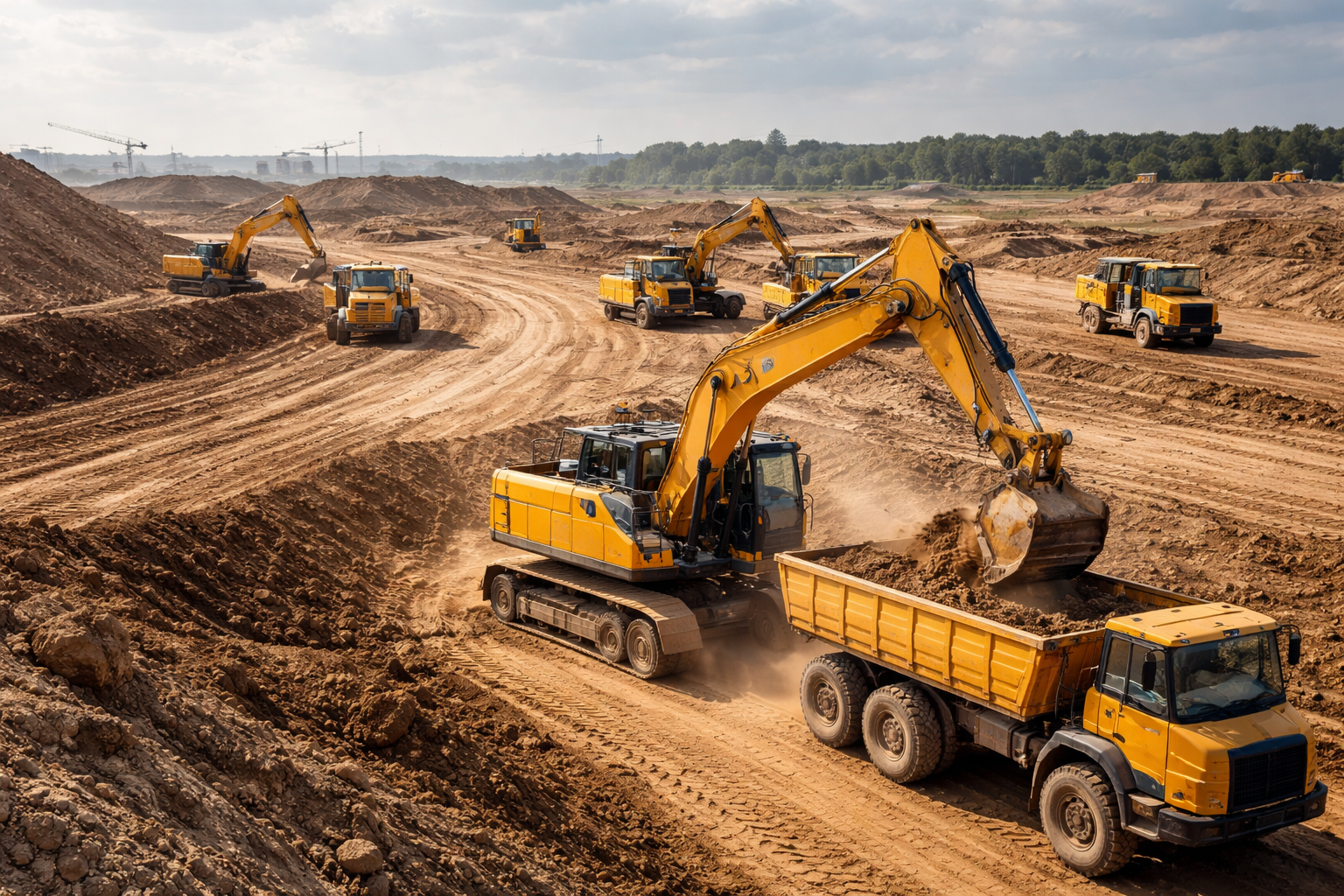
Electronic assistance is becoming standard across heavy construction machinery. Connected excavators with integrated control and operating data show the same movement towards equipment that combines mechanical capability with monitoring, diagnostics, and safety functions.
For concrete pumping, electronic stability control supports the operator but does not replace an engineered setup. Outrigger reactions from a 60m pump can be substantial and will change as the boom moves and concrete passes through the delivery line.
Where the machine stands over made ground, basements, utilities, suspended slabs, recently completed paving, or temporary structures, a temporary works assessment may be required. Mats and spreaders must be selected using actual ground conditions and calculated loads rather than standard arrangements carried between sites.
Carbon-fibre boom sections also introduce specific inspection and repair requirements. Their reduced weight supports greater reach and a compact chassis, although damage assessment and maintenance need trained personnel and manufacturer-approved procedures.
Pins, hydraulic systems, delivery pipes, outriggers, sensors, and control components all operate under high cyclic loads. Preventive maintenance becomes particularly important where breakdown during a continuous pour could affect concrete quality, formwork pressure, labour deployment, traffic bookings, and follow-on activities.
Concrete pumping contractors are increasingly expected to provide detailed setup plans, digital records, pour coordination, inspection evidence, and contingency arrangements alongside the machine and operator. Larger and faster pours create fewer opportunities to recover when supply, equipment, or access fails.
The K60H extends CIFA’s high-reach range without relying solely on additional maximum reach. Its seven-section boom, compact road configuration, and reduced unfolding height are intended to improve the proportion of constrained sites on which a 60-metre-class machine can operate safely and productively.
Operational performance will depend on setup time, boom positioning, reliability, and the ability to reduce vehicle movements or additional line work. On dense projects where working space continues to shrink, those characteristics can carry greater value than a marginal increase in headline reach.