IN Brief:
- The Blackiemuir Avenue bridge replacement will begin on 2 November, with the wider programme running until March 2027.
- Demolition is scheduled for 16–18 January and installation for 23–25 January, requiring separate railway closures.
- Blackiemuir Avenue will close from 14 November until 23 February, with the pedestrian diversion avoiding Back Settlement level crossing.
Network Rail will begin a £3 million replacement of Blackiemuir Avenue railway bridge in Laurencekirk on 2 November, with demolition of the existing structure and installation of its replacement scheduled for separate weekends in January 2027.
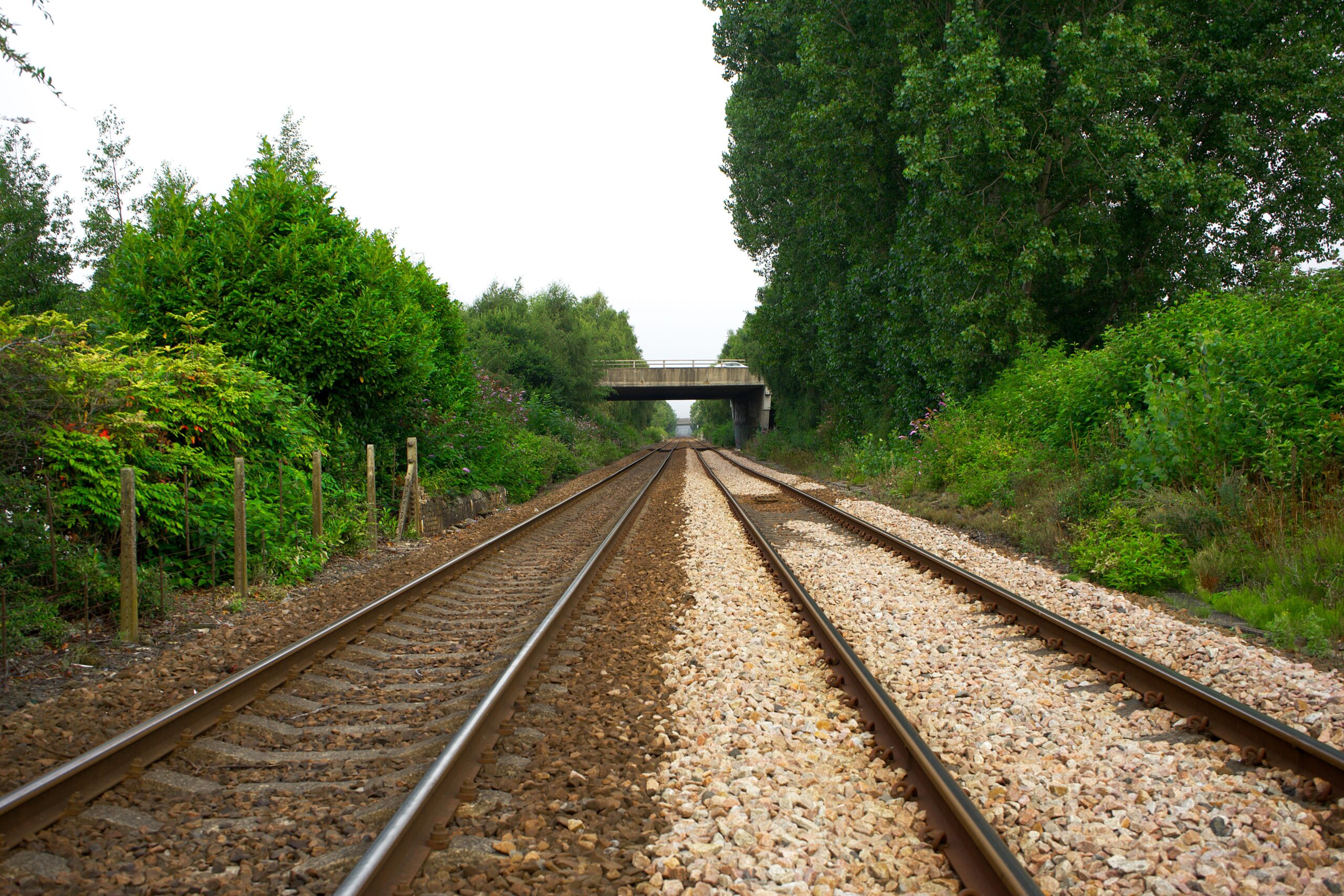
The bridge carries Blackiemuir Avenue over the Dundee to Aberdeen railway, providing a road connection across the operational rail corridor. The existing structure will be removed and replaced as part of the infrastructure operator’s programme of maintaining and renewing ageing railway assets.
Preparation will begin in November, followed by removal of the existing bridge between 16 and 18 January. The replacement structure is scheduled for installation the following weekend, from 23 to 25 January, with associated construction and finishing work continuing until the end of March.
The railway will close between Montrose and Laurencekirk during the two January weekends. These possessions provide controlled access to the tracks beneath the bridge while demolition, removal and installation operations take place above the railway.
Construction above an operational railway requires a sequence in which the existing structure can be dismantled without compromising the safety of the track corridor. Demolition planning must account for the weight and configuration of the bridge components, their supporting arrangements and the equipment used to remove them.
Removing a bridge also changes the way loads are transferred into its supports. Temporary works and demolition operations must therefore be developed around the existing structure’s condition and the position of the permanent supports, rather than assuming that components can be removed in an arbitrary order.
The replacement phase presents a different sequence of engineering requirements. New structural components must be positioned and secured before the crossing can be returned to use, with the completed work required to satisfy the appropriate railway and highway requirements.
Network Rail has not identified the final replacement material, structural configuration or lifting equipment for Blackiemuir Avenue. The confirmed programme establishes the removal and installation periods without specifying whether particular components will be fabricated off site or assembled during the possessions.
Off-site preparation is one possible method of reducing the time required within a railway closure, but no specific fabrication arrangement has been confirmed for this bridge. The delivery team must instead be assessed against the published construction stages and the requirements of its final engineering design.
The principal disruption for road users will extend beyond the two railway closures. Blackiemuir Avenue will close to vehicles and pedestrians from 14 November until 23 February, with signed diversion routes provided while the crossing is unavailable.
The longer road closure allows for the preparation and reinstatement activities surrounding the main structural operations. Approaches to the bridge and the adjacent working areas must be managed throughout the programme, even when trains continue operating on the line beneath.
Residents and pedestrians will need to use alternative routes through Laurencekirk. Following a community drop-in event in August, Network Rail adjusted its planned pedestrian diversion so that it avoids the Back Settlement level crossing.
The change removes that crossing from the signed diversion and alters the route people will use to reach destinations on opposite sides of the works. Network Rail will also provide a crossing steward during weekday peak periods as an additional precaution.
Local access arrangements are particularly important where road bridges provide established connections between residential areas and public services. A temporary closure can redistribute pedestrians and traffic onto surrounding streets, making the suitability of diversion routes an important part of the construction programme.
The revised arrangements follow engagement with residents about movement around the town during construction. The road closure, pedestrian diversion and railway possessions are separate operational controls, each with different durations and effects on the surrounding network.
The work at Blackiemuir Avenue forms the first of two bridge renewal schemes planned for Laurencekirk. The Station Road bridge is expected to follow from November 2027, with the infrastructure operator choosing to undertake the replacements separately.
Delivering the bridges in different programmes avoids the disruption associated with simultaneous work at both crossings. It also allows each structure to have its own traffic management, access and engineering arrangements, although details of the later Station Road scheme remain subject to its separate delivery planning.
The Dundee to Aberdeen route requires coordination of construction access with passenger and freight railway operations. Once a possession begins, engineers must complete the authorised activities and establish that the affected railway infrastructure is suitable for trains to resume before the route can reopen.
Where a new bridge is installed over railway tracks, the final arrangement must preserve the required relationship between the structure and the railway beneath. That includes the suitability of clearances, supports and associated infrastructure, while any work affecting the track corridor must be completed within the agreed access arrangements.
The £3 million investment covers the Blackiemuir Avenue replacement. Network Rail has not identified the main contractor or provided a detailed division of expenditure between structural fabrication, demolition, temporary works, transport and road reinstatement.
Preparatory operations will start on 2 November, followed by the road closure later that month. Demolition and installation remain programmed for the two January weekends, with Blackiemuir Avenue scheduled to reopen in February and the remaining project activities continuing through March.