IN Brief:
- Restoration of the Jackfield and Coalport Memorial Footbridge was confirmed complete on 9 October.
- The programme included replacement of the ageing timber deck with a fibre-reinforced plastic surface.
- The improvements are intended to increase durability, reduce future maintenance and retain the crossing's historic appearance.
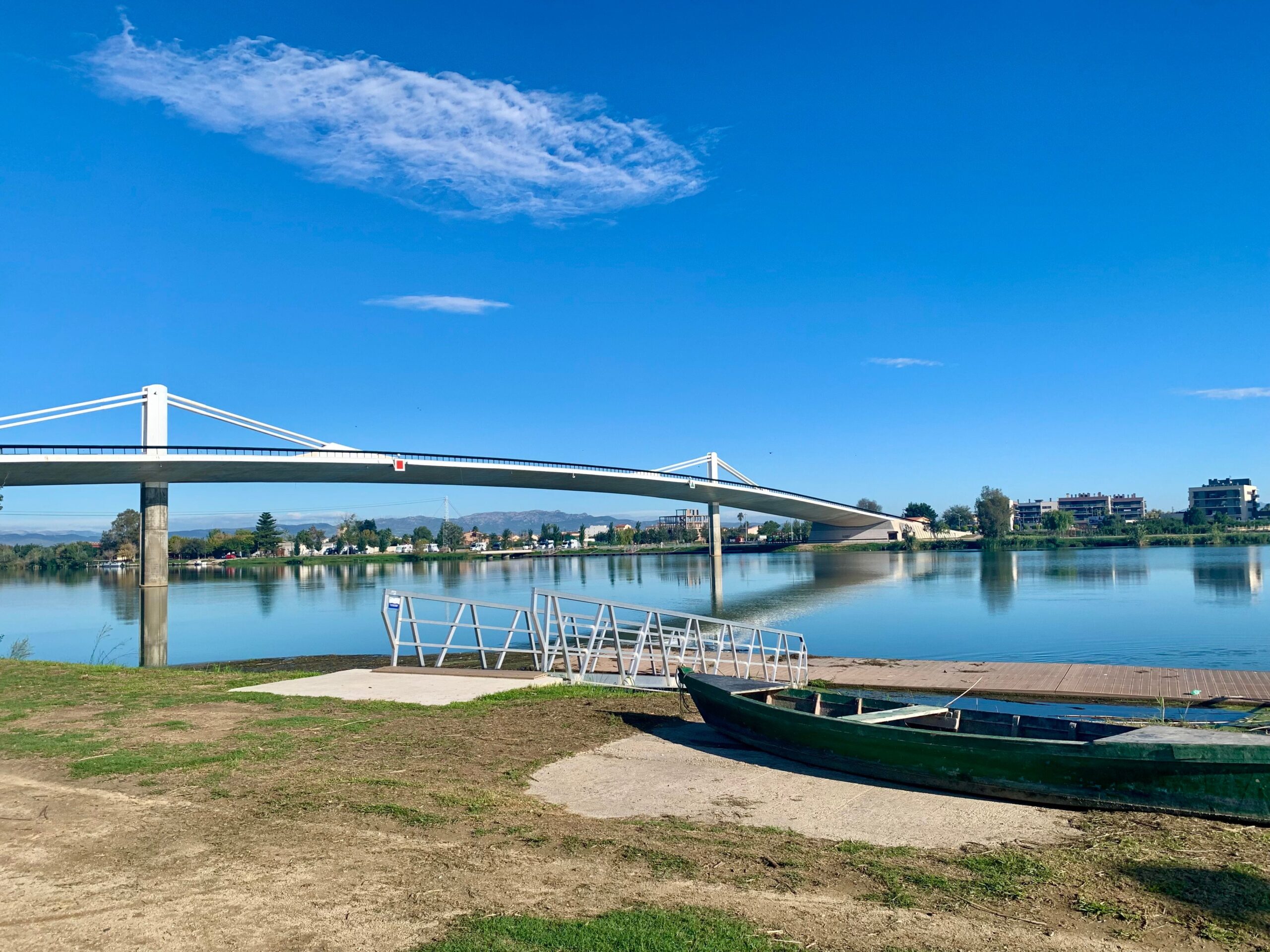
The Jackfield and Coalport Memorial Footbridge has been restored, reopening an important pedestrian connection across the River Severn in the Ironbridge Gorge. Telford & Wrekin Council completed works to the historic crossing and its footway, including replacement of the ageing timber deck with a fibre-reinforced plastic surface designed to retain a timber-like appearance.
The crossing links communities on opposite banks of the river and forms part of a wider network of paths used by residents, walkers and visitors. Its restoration addresses the condition of a working piece of local infrastructure while retaining a structure associated with the industrial heritage of the gorge.
The original timber decking required renewal after prolonged service in an exposed riverside location. Outdoor walking surfaces must withstand moisture, changing temperatures, foot traffic and routine maintenance. Replacing worn components can help retain access while reducing the frequency of disruptive repairs, depending on the performance of the chosen material and its installation.
Fibre-reinforced plastic combines reinforcing fibres with a polymer matrix to form engineered components. A composite deck can be configured for pedestrian applications and can offer resistance to forms of deterioration that affect timber. Its actual durability depends on the materials used, the structural design and the conditions encountered during service.
The new surface has a timber-effect finish. That visual treatment allows the replacement to provide a familiar appearance alongside the bridge’s older structural elements. The choice is relevant in the Ironbridge Gorge World Heritage Site, where the appearance of public infrastructure contributes to the setting as well as its functional use.
Retaining the historic structure while renewing its deck avoids treating the crossing as a completely new bridge. It also places constraints on the replacement: the new walking surface must be compatible with existing dimensions, fixings and support arrangements. The completed works preserve the route rather than diverting pedestrians to a newly constructed river crossing.
The precise fibre composition, deck thickness, structural capacity and verified service life have not been published. It would therefore be inaccurate to state a particular maintenance saving or load rating. The confirmed objective is a more durable surface with lower future maintenance demands and an appearance suited to the existing bridge.
The refurbishment was announced in August, with a closure expected for approximately five weeks while the essential works took place. Completion in October marks the return of the route, following a period during which pedestrians were required to use alternative connections across the area.
Temporary closure can have a disproportionate effect on a pedestrian bridge because routes across rivers are limited by geography. A short crossing may provide access between neighbouring communities that would otherwise be separated by a lengthy diversion. Restoring the footbridge therefore has an immediate transport function beyond its heritage value.
The local authority also links the project to active travel. Continuous and usable walking routes support journeys without a vehicle, but their value depends on reliable infrastructure, clear access and appropriate maintenance. Renewing the deck is one part of keeping the crossing suitable for everyday use and visits to the area.
The River Severn setting creates continuing exposure to weather and damp conditions. Material selection cannot eliminate the requirement for inspection, particularly where a new surface meets older structural components. Future maintenance will still need to consider the broader bridge rather than treating deck renewal as a complete replacement of every element.
Conservation schemes often combine modern materials with retention of historic forms. The objective is to preserve the asset’s character while addressing deterioration that would otherwise affect its usefulness. At Jackfield and Coalport, the timber-effect composite surface is the clearest example of that balance between performance and appearance.
The completed programme also included work to the historic structure and footway intended to improve safety and accessibility. Detailed engineering drawings, repair specifications and quantified accessibility measurements are not available, so the extent of those other interventions should not be overstated. The confirmed result is a restored pedestrian crossing serving Jackfield and Coalport.
The project is separate from the restoration of Longdon upon Tern Bridge elsewhere in the borough. Longdon involved road traffic controls and repairs to a damaged stone parapet, whereas this scheme centres on preserving a river footbridge and renewing its pedestrian deck. Both are examples of investment in existing infrastructure with different technical demands.
Local businesses and visitor destinations also depend on movement through the wider gorge. By restoring a direct walking connection, the council has maintained access within a recognised heritage landscape without replacing the bridge with an unrelated structure. The crossing can now continue to serve residents and visitors while its new deck enters service.
The completed refurbishment restores the pedestrian link between Jackfield and Coalport. Its replacement composite deck retains a timber-effect appearance while addressing deterioration of the previous surface; future inspection and maintenance will establish performance in service.