IN Brief:
- Eco Buildings says manufacture of its new AI-enabled production line is progressing on schedule and within budget.
- The equipment is intended to increase capacity for glass fibre reinforced gypsum wall panels.
- Operational readiness is targeted for the end of 2026, with the line not yet commissioned.
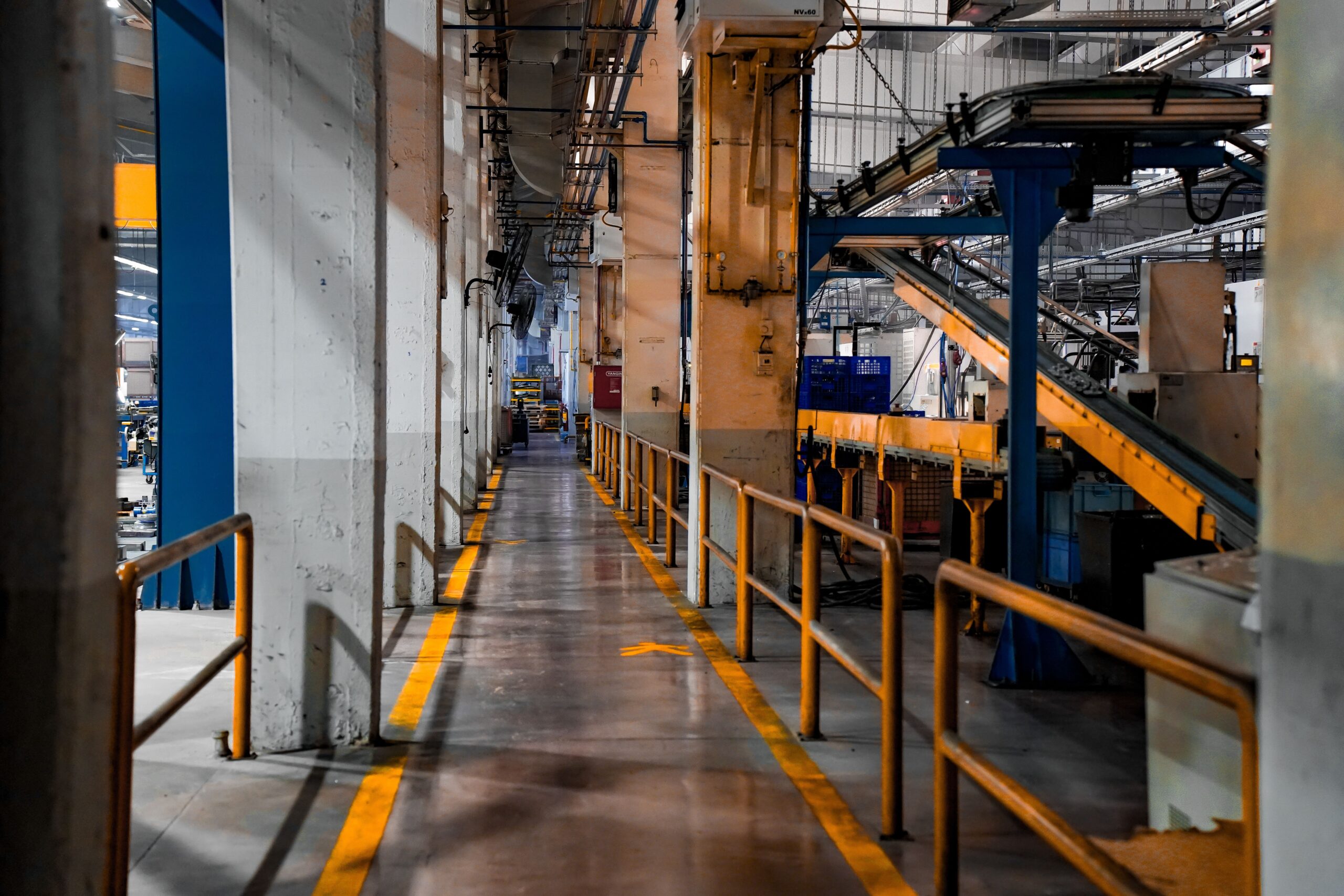
Eco Buildings Group is progressing manufacture of a second-generation automated line for glass fibre reinforced gypsum wall panels at its operation in Durrës, Albania. The line ordered in June remains on schedule and within budget, with operational readiness targeted for the end of 2026. Equipment manufacture is continuing; commercial output from the additional line has not started.
The investment is intended to expand the company’s ability to produce large building components under factory conditions. Established processes at its Durrës facility provide a reference for the new design, with engineering teams applying operating experience to machinery intended for a more repeatable production arrangement. The project is an equipment manufacturing and capacity expansion exercise, rather than completion of a separate property development.
Glass fibre reinforced gypsum, commonly shortened to GFRG, combines a gypsum matrix with reinforcement to produce panels suitable for integration into building systems. Manufacture in controlled conditions allows panel dimensions and fabrication sequences to be established before materials reach a building site. Building designers still need to account for the panels’ structural role, connections, handling requirements and suitability for the proposed development.
Eco Buildings’ existing technology can manufacture panels measuring up to 12 metres by 3.5 metres. Such dimensions have consequences for transport and lifting as well as fabrication. A large panel may cover a substantial wall area, but site access, crane capacity, fixing tolerances and coordination with other trades determine whether the potential installation benefits can be achieved on a particular project.
The new line incorporates automation and monitoring described by the company as AI-enabled. Process monitoring can help identify changes in production conditions and equipment performance, while automation can support consistency across repetitive operations. The specific control functions and measured improvements will have to be established through commissioning and subsequent operating data rather than inferred from the technology label alone.
The production route requires more than machinery capable of forming a panel. Material preparation, reinforcement, setting, movement through the line and finished product handling have to be coordinated. In practice, a constraint at any stage can influence the throughput achieved by the facility. Higher theoretical machine capacity does not automatically translate into an equal increase in deliverable building components.
Quality assurance will also be important as the new equipment enters service. Dimensional consistency, surface condition and compatibility with specified connection details influence the amount of adjustment needed during installation. A manufacturing line can be considered operationally ready only after its integrated equipment and product output have met the relevant acceptance requirements.
The £2.35m fundraising completed in May is supporting Eco Buildings’ manufacturing expansion. Its September interim results placed the line within the company’s broader growth programme and indicated an expectation of commissioning during the fourth quarter of 2026. The latest progress maintains that target rather than bringing the facility into service ahead of schedule.
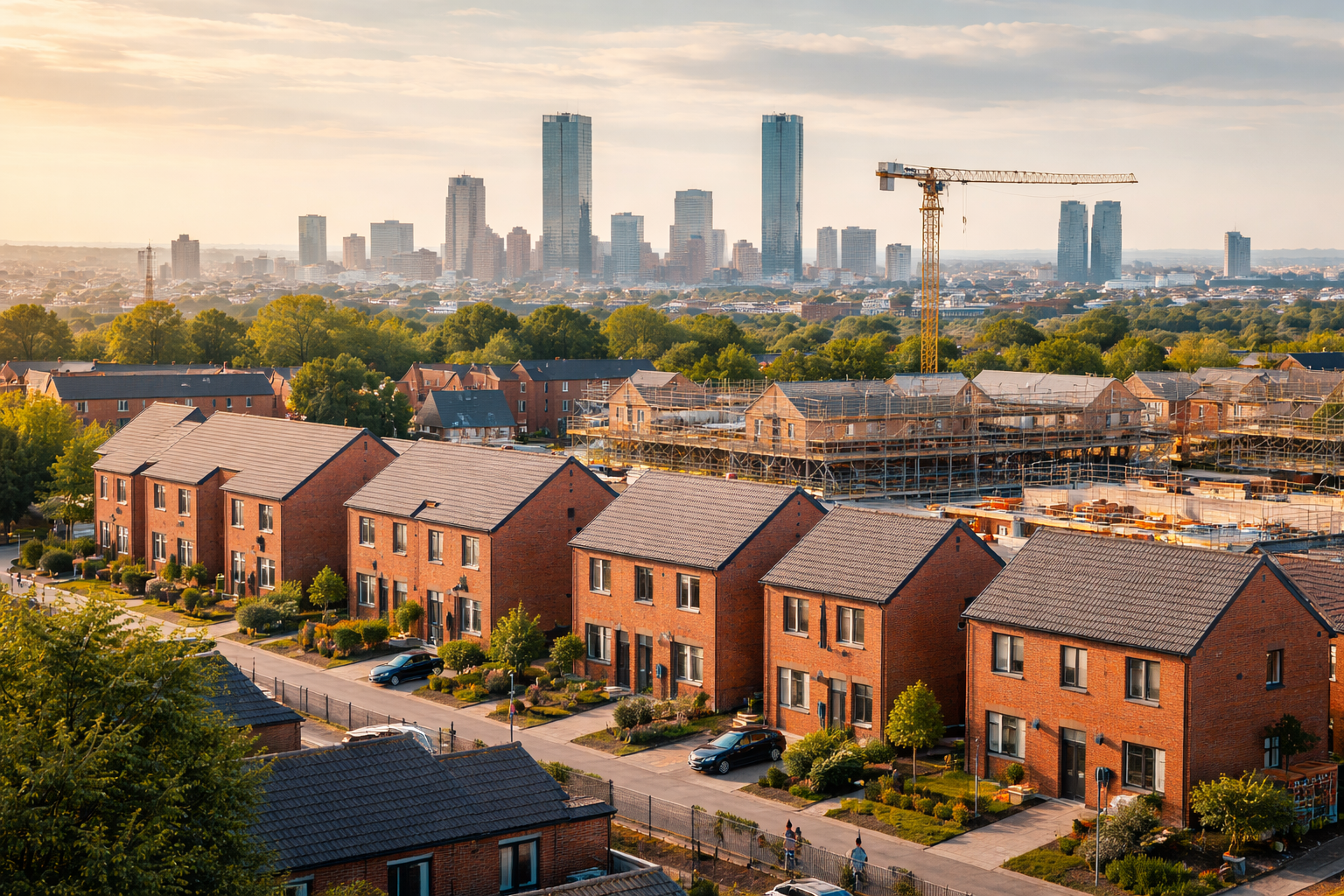
Eco Buildings has used its Albanian operations to support residential construction, including activity associated with the Rolling Hills development. Demand from such projects provides context for investment in production capacity, although future panel orders and individual construction programmes are separate commercial decisions. Expanding manufacturing capability creates potential supply capacity without guaranteeing utilisation.
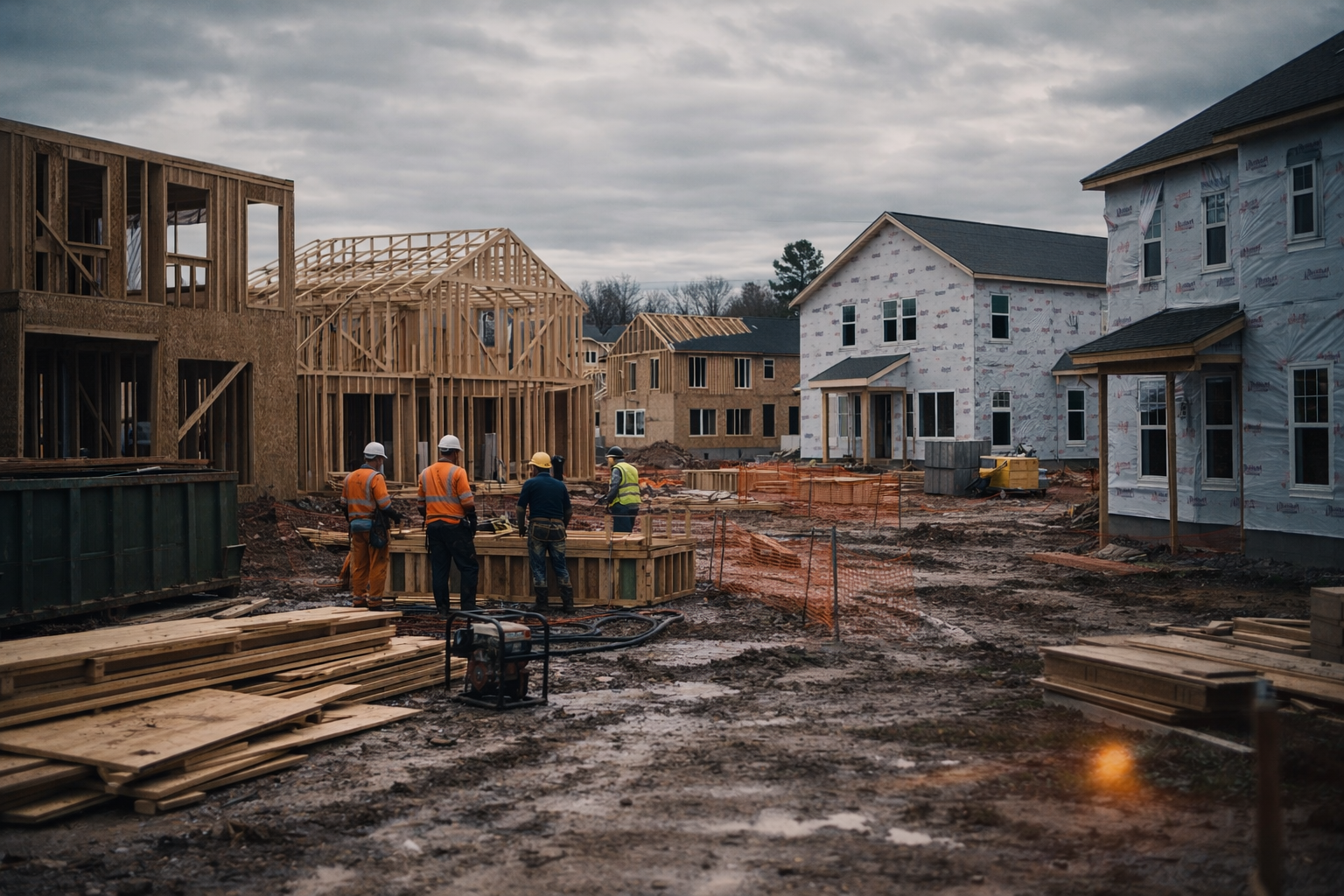
Factory-based construction also depends on design information arriving early enough for panels to be manufactured accurately. Late changes to openings, dimensions or the position of building services can create rework or require revised components. Integration between designers, the factory and installation teams therefore remains central to the effectiveness of a panelised construction approach.
For the new line, the next steps are completion of manufacture, installation of the equipment and the testing needed to establish stable production. Ramp-up performance will depend on the product mix, operating hours, material supply and actual reliability achieved. These factors will determine how much additional output becomes available to the construction market.
The company’s future manufacturing strategy therefore has two distinct stages. First, the added Durrës equipment must demonstrate that it can make conforming products at a stable rate. Only then will its operating record provide a dependable basis for judging whether the same equipment configuration can be transferred to other locations. Neither stage removes the need for project-specific design and installation planning.
Eco Buildings expects the additional GFRG line to reach operational readiness by the end of 2026. Actual manufacturing output will depend on completion of installation, testing and commissioning, rather than the current progress of equipment manufacture alone.