IN Brief:
- Fleetwood has become the 87th Huws Gray location offering the company's plant and tool hire service.
- The branch now supplies diggers, dumpers, and smaller tools alongside repair, servicing, and account-based hire.
- Three roles have been added to the existing 18-person branch, with hire delivery available across a reported 50-mile radius.
Huws Gray has added plant and tool hire to its Fleetwood branch in Lancashire, making the depot the 87th location in its network to provide the service as the builders merchant continues expanding its hire operation.
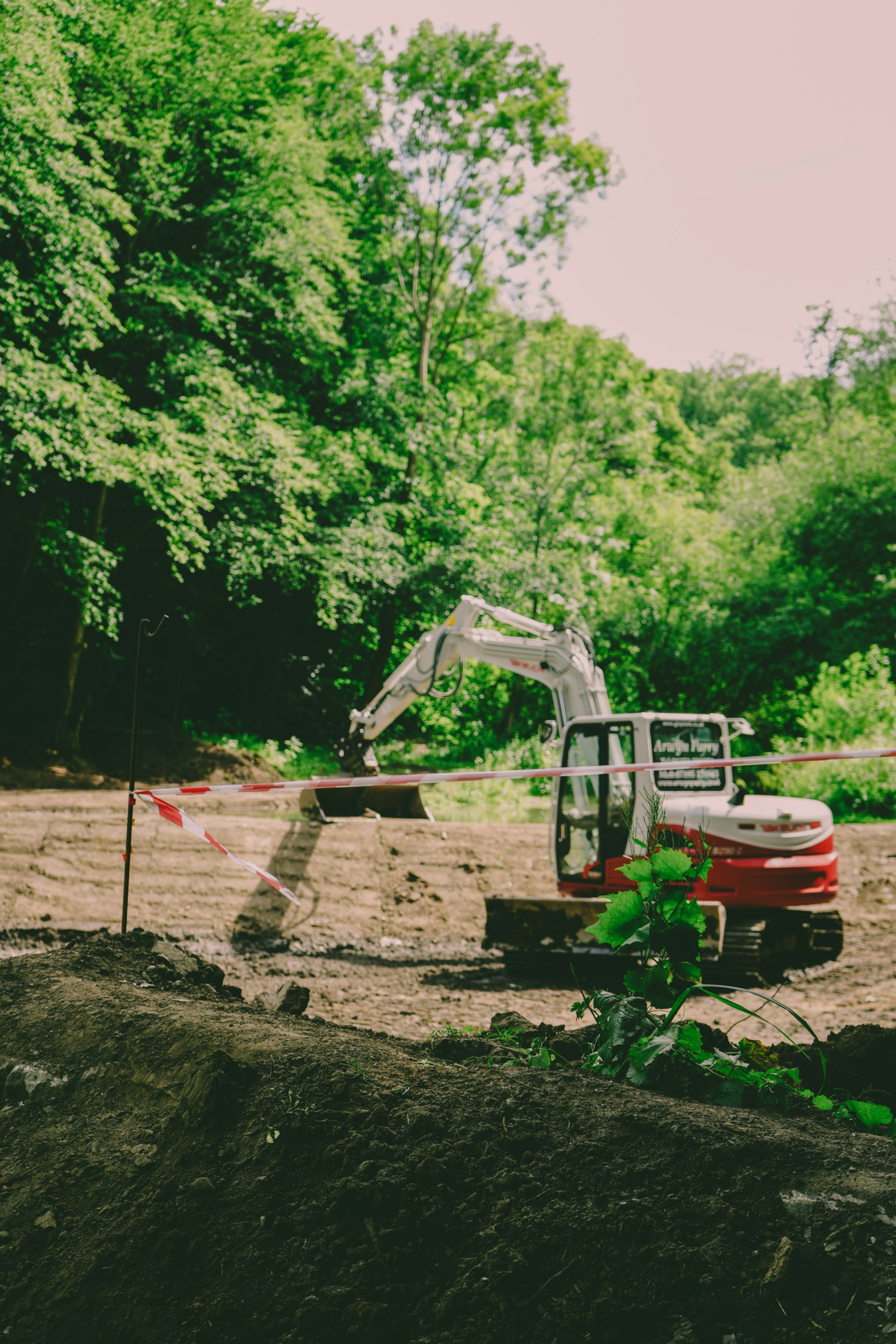
The Fleetwood offer includes diggers, dumpers and smaller tools alongside repair and servicing support. Customers can hire through their Huws Gray account, while published launch information gives the branch a hire delivery radius of up to 50 miles.
The existing Fleetwood site employs 18 people and the hire expansion has created three additional roles. The branch originally opened as Builders Supplies during the 1990s before becoming part of Huws Gray in 2021.
The move forms part of a wider rollout rather than an isolated branch addition. Huws Gray has been adding plant and tool hire to existing sites across the UK and launched the service at its St Helens branch earlier in September.
Co-locating hire with a merchant changes the economics of expansion because Huws Gray already has branch property, customer accounts, trade traffic and local delivery infrastructure in place. A standalone plant hire business has to establish much of that footprint before it can begin building utilisation.
For contractors and smaller trades, the combined model also reduces the number of separate suppliers needed for individual jobs. Materials and short-term equipment can be sourced through the same branch network, although the operational requirements behind the counter are substantially different.
Merchant stock generally moves from supplier to branch and then to a customer. Hire equipment has to return after use, be inspected, cleaned, serviced and made ready for another customer. Damage, maintenance and transport therefore become continuous parts of the business rather than exceptions dealt with after a sale.
Utilisation is central to that model. Excavators, dumpers and powered tools represent capital tied up in fleet, so a branch needs enough local demand to keep equipment working without reducing availability when customers need it. Too little fleet limits the offer; too much leaves machines idle while depreciation and maintenance costs continue.
Fleetwood’s reported 50-mile delivery radius expands the market beyond customers able to collect equipment themselves but introduces another operational cost. Larger plant requires suitable transport, scheduled drops and collections, and enough route density to stop individual deliveries consuming an excessive proportion of the hire margin.
A national branch network can help by positioning machines closer to where demand develops. It can also create scope for equipment to move between depots, although that only works effectively when fleet availability is visible across the business and transfers do not simply replace one long journey with another.
The addition of repair and servicing capability is equally important. Construction plant works in conditions that accelerate wear, while rental equipment passes between users with different levels of experience and care. Routine inspections, planned servicing and damage assessment determine whether a machine is genuinely available for hire rather than merely recorded on the branch fleet.
Branch design has to accommodate those activities alongside the existing merchant operation. Returned equipment needs space for checking and cleaning, plant movements need to coexist with material loading, and customer vehicles must be separated from servicing activity where possible. A site that works well as a builders merchant does not automatically work as an efficient hire depot without changes to its layout and operating procedures.
The three additional Fleetwood roles reflect some of that labour requirement. Hire operations need administration, fitting, loading and driving capacity on top of the branch’s established merchant team. Huws Gray was already recruiting for a Fleetwood plant and tool hire driver and fitter during August, ahead of the September launch.
Huws Gray has described its plant and tool hire business as being in a period of national expansion. The company’s wider group operates hundreds of trading and distribution locations, giving it a substantial estate from which further hire points can potentially be added where local demand and branch layout support the model.
The Fleetwood opening is a modest investment compared with a major fleet acquisition, but the significance lies in repetition. Reaching an 87th location gives Huws Gray a larger physical network through which to combine materials and equipment supply. The performance of each addition will still come down to local utilisation, maintenance discipline and whether contractors find the convenience valuable enough to keep the new fleet moving.