IN Brief:
- Holcim UK has started import and distribution operations at its new Tilbury cement works.
- The site combines deep-water access, automated logistics, large-scale storage, and future grinding and blending capability.
- The facility will support low-carbon and circular cementitious products as construction material supply chains adjust to carbon and resilience pressures.
Holcim UK has begun cement import and distribution operations at its new Tilbury cement works, marking the first operational phase for the flagship facility.
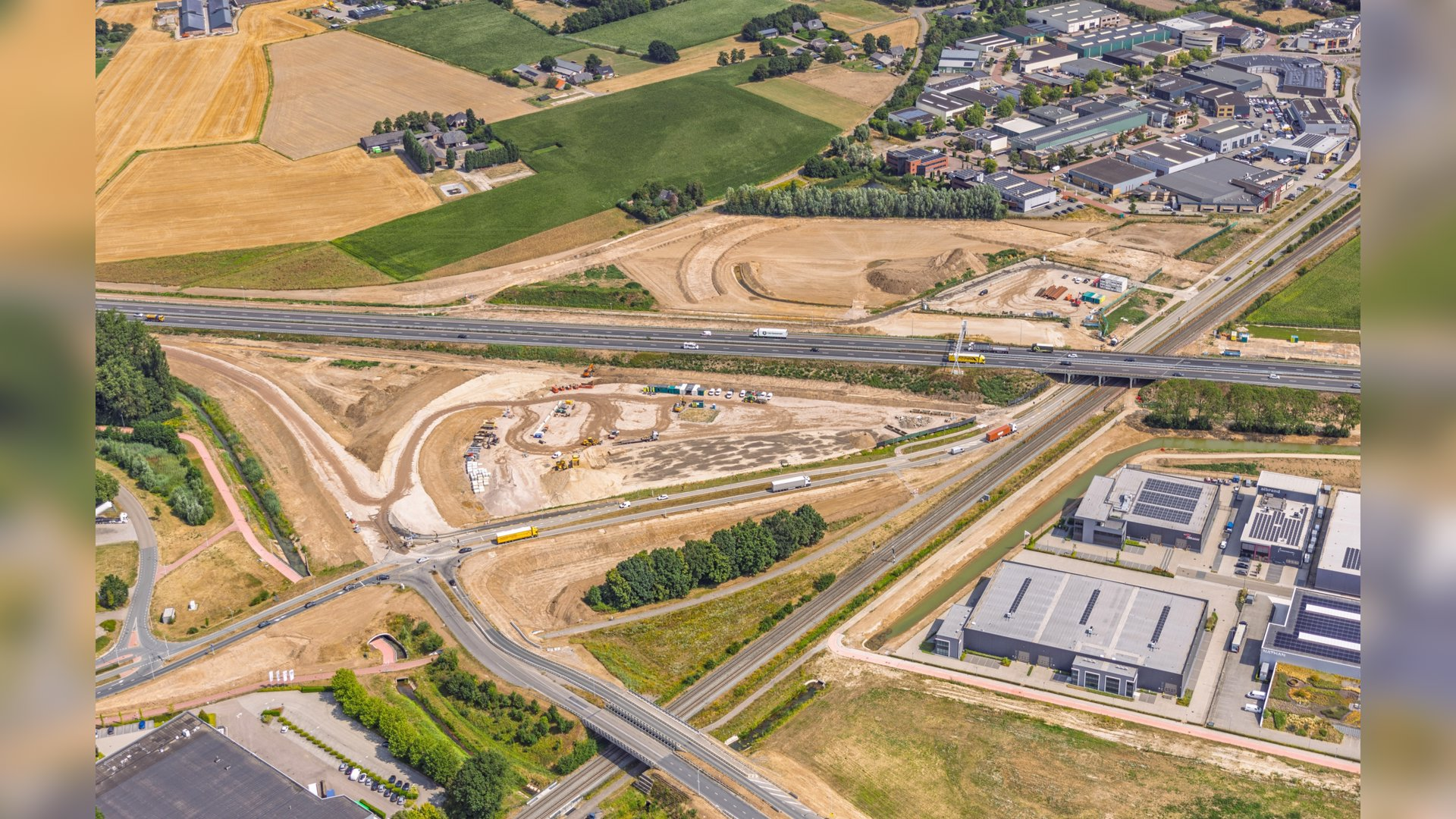
The first deep-sea vessel has discharged material into the site, moving Tilbury from construction into active wet commissioning. Located at the Port of Tilbury, the plant has been designed around marine access, large-scale storage, automated logistics, and future grinding and blending capability.
The facility includes a ship-to-shore conveyor system, enclosed belt conveyors, a 30,000-tonne cement dome silo, six loading heads, and five weighbridges. Its deep-water berth allows bulk vessels to feed material directly into storage and processing systems, reducing reliance on long-distance inland transport.
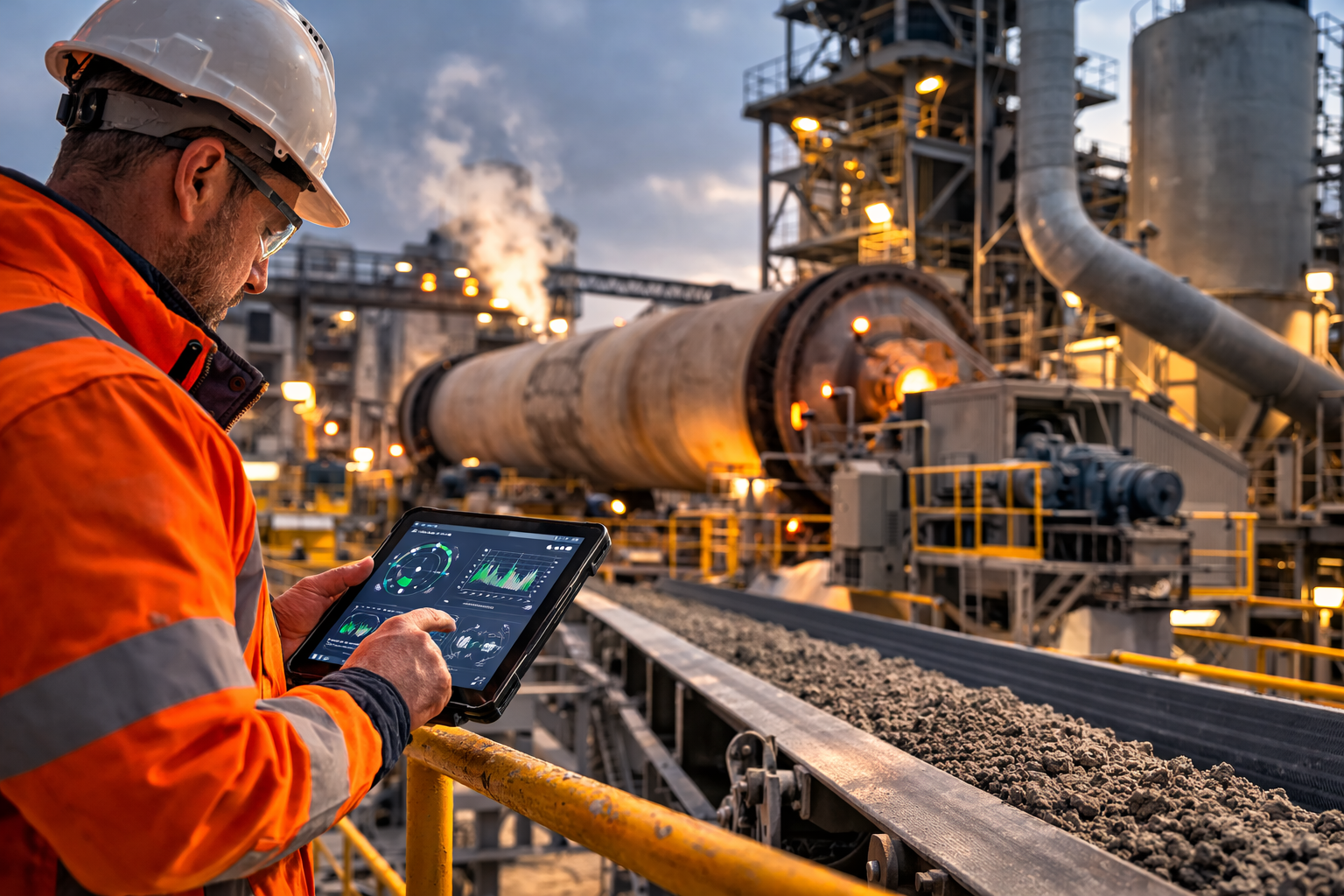
The next major programme milestone is the completion and commissioning of the site’s vertical roller mill later in 2026. The VRM will grind granulated blast-furnace slag and recycled concrete fines, enabling production of ground granulated blast-furnace slag and blended cements.
Full product lines, including ECOPlanet low-carbon cement and ECOPlanet products using ECOCycle circular materials, are expected to come online in early 2027. The terminal has also been engineered to process future materials such as calcined clay as lower-carbon cement technology develops.
Tilbury combines capacity, location, and product strategy in one of the UK’s highest-demand construction regions. South East England draws heavily on cementitious materials for infrastructure, commercial, residential, logistics, utilities, and public-sector work, making reliable bulk supply a strategic concern as well as a materials issue.
Placing high-volume processing and dispatch capacity at a port improves resilience into that market. It also gives Holcim a logistics route that can support both imported materials and future blended products, with the plant designed to handle multiple cementitious streams as specifications continue to change.
The development reflects a wider shift in building materials. Cement and concrete suppliers are under sustained pressure to reduce embodied carbon while maintaining performance, availability, and technical certainty. Contractors and clients may want lower-carbon materials, but adoption depends on dependable supply, standards compliance, batching consistency, and confidence in product performance.
Holcim’s wider building materials strategy has also been moving across related product systems. Its conditional EU approval for the Xella acquisition shows a broader push across walling, building systems, and lower-carbon product markets, rather than reliance on traditional bulk cement alone.
At Tilbury, the circular materials element is particularly significant. Construction remains under pressure to reduce waste, increase reuse, and bring secondary materials back into controlled production streams. Processing recycled concrete fines and supplementary materials through a dedicated facility gives circularity a more industrial route than isolated project-level reuse.
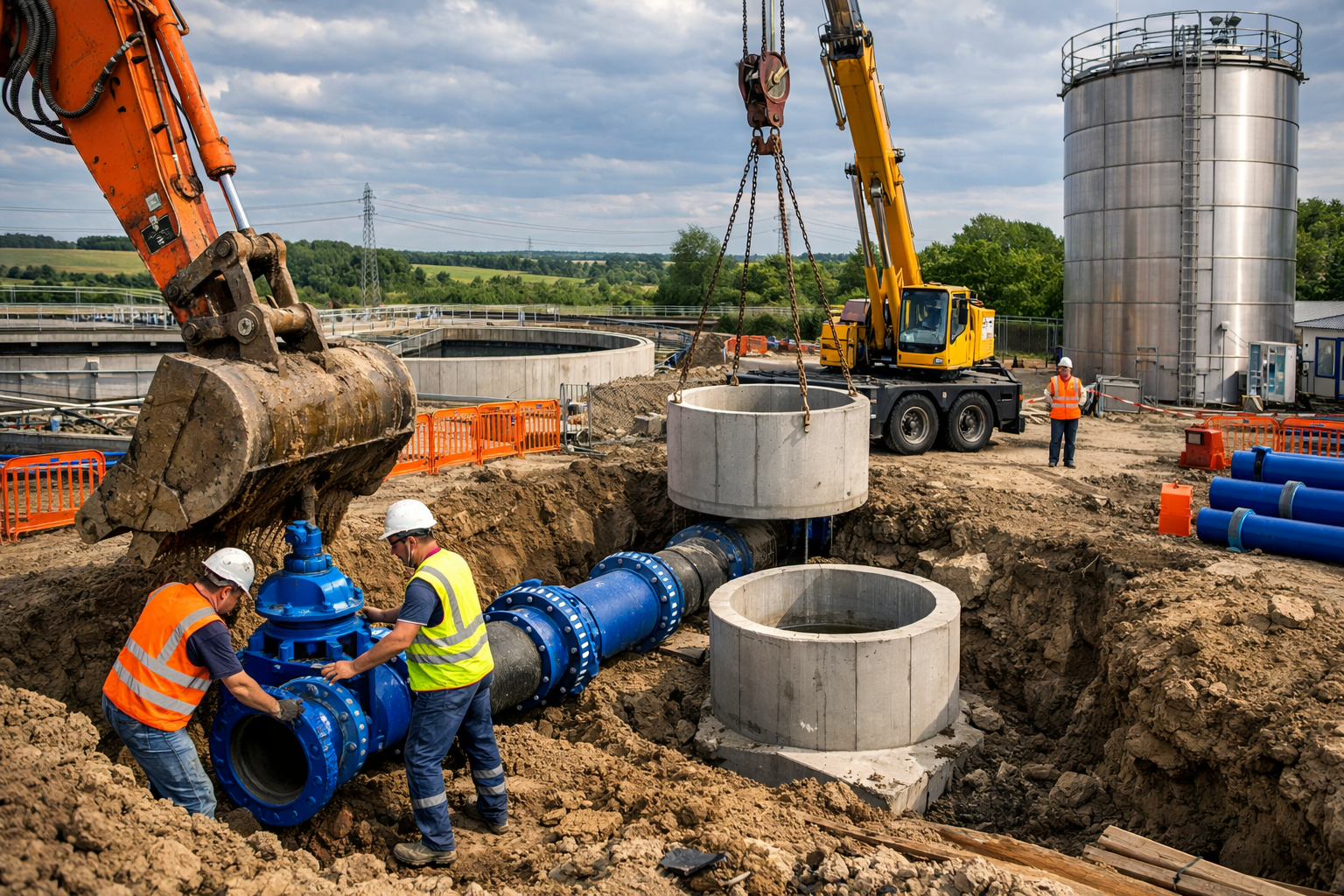
The plant’s own construction has also followed circular principles, including crushing and reuse of concrete, reclaimed asphalt use, and processing of excavated material through recycling hubs. Cement production remains carbon-intensive, but logistics efficiency, supplementary materials, and circular feedstocks are becoming essential parts of the transition.
For contractors and specifiers, availability will be the decisive factor. Lower-carbon cementitious products need to be accessible at commercial scale, supported by clear technical data and a reliable dispatch network. Tilbury’s move into operations gives the UK market another large-scale route for bringing those products into mainstream construction supply.