IN Brief:
- Jonathan Gribble and Glen Carter of RSM were appointed administrators on 16 November.
- Future Network Solutions previously worked with telecommunications network operators including Openreach, Virgin Media, and CityFibre.
- The contractor employed more than 100 people during its last reported financial year, although its current workforce remains unconfirmed.
Telecommunications infrastructure contractor Future Network Solutions Limited has entered administration, following the appointment of Jonathan Gribble and Glen Carter of RSM Restructuring on 16 November.
The appointment was publicised through a statutory notice in The London Gazette on 23 November, confirming the insolvency proceedings affecting the Leeds-based civil engineering business.
Established in November 2007, Future Network Solutions provided specialist construction and installation services supporting telecommunications infrastructure. Its previous customers have included Openreach, Virgin Media, and CityFibre, three of the principal operators involved in Britain’s fixed-line communications networks.
Earlier indications of financial difficulties included a notice of intention to appoint administrators and a winding-up petition presented by equipment hire business Sunbelt Rentals. A separate statutory notice concerning that petition was also published on 23 November.
The company had fallen behind with its financial reporting obligations, with accounts for the year ending 28 June 2025 due by 26 September 2026. Its last available accounts covered the financial year ending 29 June 2024, when the business employed more than 100 people.
The number of employees remaining with the company immediately before the administration, together with the current status of its construction operations, has not been established.
Future Network Solutions previously underwent financial restructuring through a company voluntary arrangement between 2012 and 2016. Ownership transferred to Majstor Holdings in July 2023, shortly before its former controlling shareholder, Makehappen Group, entered administration.
The business operated within a specialist contracting market that has expanded substantially through investment in fibre broadband infrastructure. Telecommunications civil engineering contractors undertake the physical construction necessary to connect premises and communities to wider communications networks.
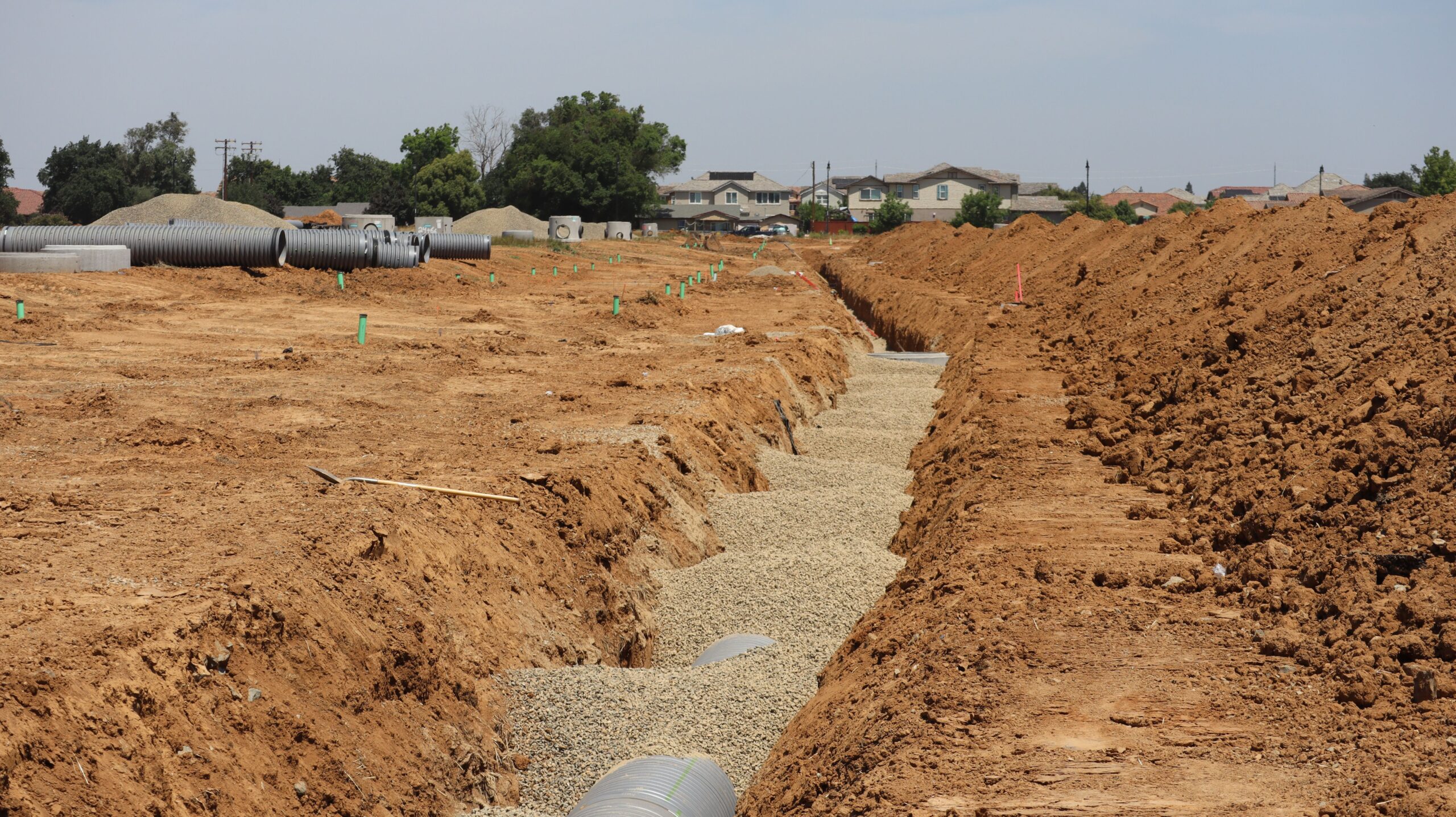
Their work can encompass excavation, underground duct installation, access chamber construction, cable installation, and reinstatement of highway surfaces. Unlike major building contractors delivering activity at a single development, telecommunications infrastructure businesses may operate numerous geographically dispersed construction sites simultaneously.
The resulting operational requirements include deployment of mobile construction teams, management of specialist plant and equipment, coordination with highway authorities, and compliance with street works permits.
Individual work packages can depend on the completion of several interconnected activities. Underground duct installation, for example, must be coordinated with chamber construction and subsequent cable installation, while excavated areas require appropriate reinstatement before affected highway surfaces can return to normal use.
Changes in programme schedules can affect the utilisation of labour and equipment across those activities. Contractors must also maintain records of completed infrastructure, including the locations of installed ducts, access points, and connections with existing communications networks.
Where insolvency proceedings affect an infrastructure contractor, establishing the condition and contractual status of individual work packages becomes important for clients assessing continuity of delivery.
The arrangements for transferring unfinished work depend on the relevant contracts, the availability of replacement suppliers, and the status of the contractor’s operations. Technical records can assist replacement teams in identifying completed activities without repeating unnecessary investigations or construction work.
Equipment ownership and hire arrangements represent a separate consideration. Specialist civils contractors can rely on a combination of owned machinery and hired excavators, compaction equipment, vehicles, and cable installation tools. Plant suppliers may consequently have interests in physical equipment as well as outstanding commercial payments.
Future Network Solutions’ financial position and the extent of its outstanding commitments to equipment providers, subcontractors, employees, and other creditors have not yet been established through the available insolvency information.
Administration provides a mechanism through which appointed insolvency practitioners assume control of a company’s affairs and assess the available options. Depending on the circumstances, those options can include restructuring, transferring viable operations to another business, or realising assets for creditors.
The appointment does not itself establish that all trading has ceased. No confirmed sale of Future Network Solutions’ operations or comprehensive account of its outstanding construction contracts has been identified.
The company’s financial difficulties coincide with continuing insolvency pressures across the British construction industry. The latest construction insolvency figures recorded approximately 3,800 company insolvencies in England and Wales during the twelve months to October 2026.
Construction remained the industry with the largest number of recorded company failures despite a reduction in its annual insolvency total. Businesses operating within interconnected subcontracting arrangements can experience additional financial pressure where payments remain outstanding following the failure of a customer.
For Future Network Solutions, the appointment of administrators establishes a formal process through which the business’s financial affairs and remaining operations can be assessed. Subsequent statutory filings and information from RSM will provide greater clarity concerning creditor claims, employment, and any arrangements to transfer or conclude outstanding construction activities.