IN Brief:
- Derby City Council has approved Derbion’s masterplan for more than 1,150 homes across Eagle Quarter and Bradshaw Way.
- The scheme includes residential buildings, commercial space, public realm, courtyards, green space, and improved pedestrian links.
- The approval reflects the continued shift from retail-led city-centre development towards mixed-use regeneration anchored by housing.
Derbion has secured approval for a major city-centre regeneration masterplan in Derby, paving the way for more than 1,150 homes across the Eagle Quarter and Bradshaw Way sites.
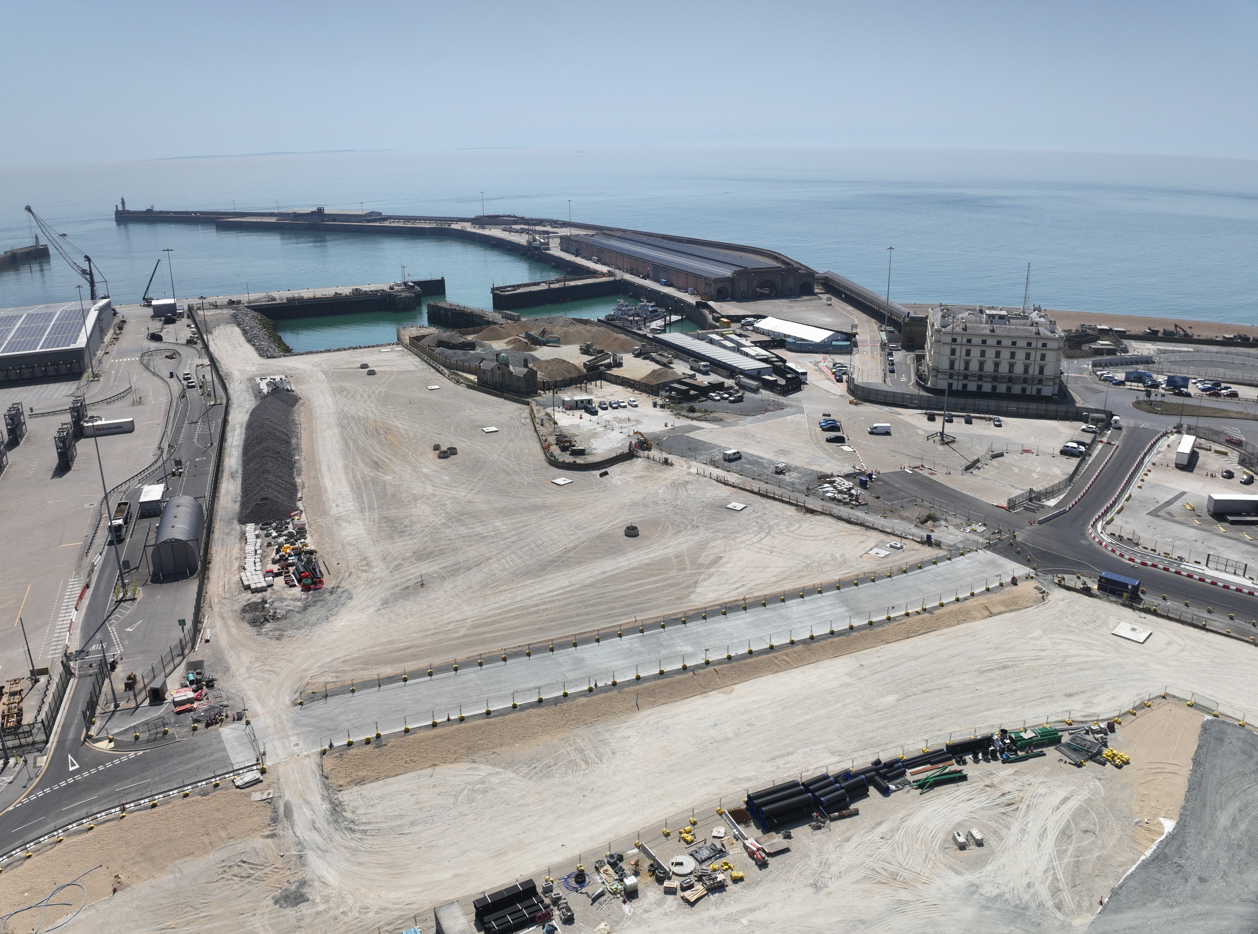
The approved plans cover the former Eagle Market and Bradshaw Way Retail Park, two sites within walking distance of Derby’s existing retail, leisure, transport, and cultural assets. The masterplan is intended to turn underused city-centre land into residential-led neighbourhoods, supported by commercial space, public realm, green infrastructure, and improved routes through the area.
At Eagle Quarter, the former market site is expected to make way for 674 homes. The proposals include new public spaces around Derby Theatre, improvements to Derbion Square, and a new urban garden intended to improve movement between the River Derwent, the bus station, the shopping centre, and the wider city centre.
The Bradshaw Way element of the masterplan includes 478 homes, with a landmark residential building rising to 14 storeys. Private courtyards, green spaces, ground-floor commercial units, and improved connections towards the Nightingale Quarter are also included, extending the city’s residential regeneration activity into another prominent central site.
Derbion has set out the masterplan as a long-term development opportunity that could come forward over five to ten years and beyond. That phasing points towards multiple packages of work, including demolition, enabling works, infrastructure, residential construction, services, public realm, and commercial fit-out, rather than a single construction contract.
The decision reflects a broader restructuring of UK city centres. Retail-led estates are being reworked as mixed-use districts, with owners seeking to use underperforming markets, car parks, service yards, and edge-of-centre retail land for housing, leisure, workspace, and civic uses. Local authorities are also trying to increase city-centre footfall throughout the week, rather than relying on traditional shopping patterns.
Derby’s plan follows that direction. New homes close to transport, employment, retail, and public services can support the evening economy and reduce pressure for greenfield development. The construction challenge lies in working within a live urban environment, where utilities, neighbouring businesses, traffic management, public access, demolition constraints, and phased occupation have to be coordinated from the start.
Infrastructure and public realm will be central to the scheme’s success. Drainage, servicing, access routes, pedestrian links, and landscape design need to support a long delivery period while remaining coherent as individual phases complete. Poor sequencing can leave early residents surrounded by unfinished public spaces, while over-complex infrastructure phasing can undermine viability before construction begins.
The approval also lands in a residential market where developers remain selective. Higher finance costs, building safety regulation, construction inflation, and viability pressure have slowed some major urban schemes, particularly where density, height, and infrastructure requirements are significant. At the same time, rental demand and the need for new homes continue to support well-located city-centre projects with credible delivery plans.
Public finance and local authority involvement have become increasingly prominent in unlocking comparable urban schemes, including Greater Manchester’s support for the next phase of Viadux. Derby’s masterplan sits within the same pattern of councils, landowners, and funders trying to move complex city-centre sites beyond long-held ambition and into deliverable phases.
The next stage will involve converting the approved masterplan into detailed applications, procurement routes, and phased delivery. If that progression holds, the former Eagle Market and Bradshaw Way sites could move from underused retail and service infrastructure into one of Derby’s most significant residential-led regeneration programmes.