
Materials
-
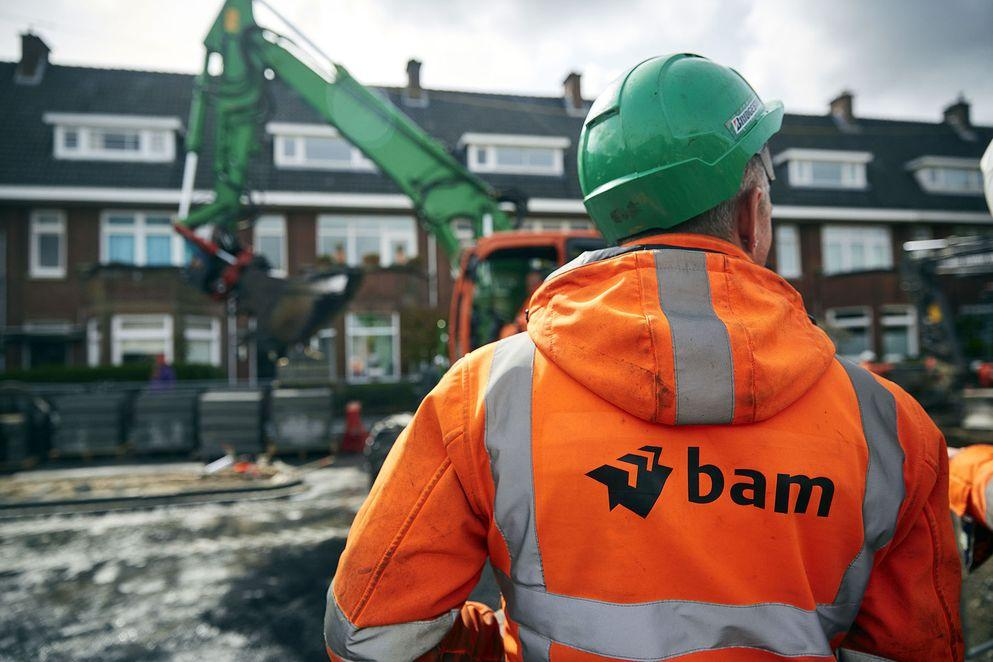
BAM has secured Dutch road-maintenance contracts worth up to €96.2m. The agreements combine surfacing and repairs with traffic management, investigations, lower-temperature asphalt, and reduced-emission plant.
-
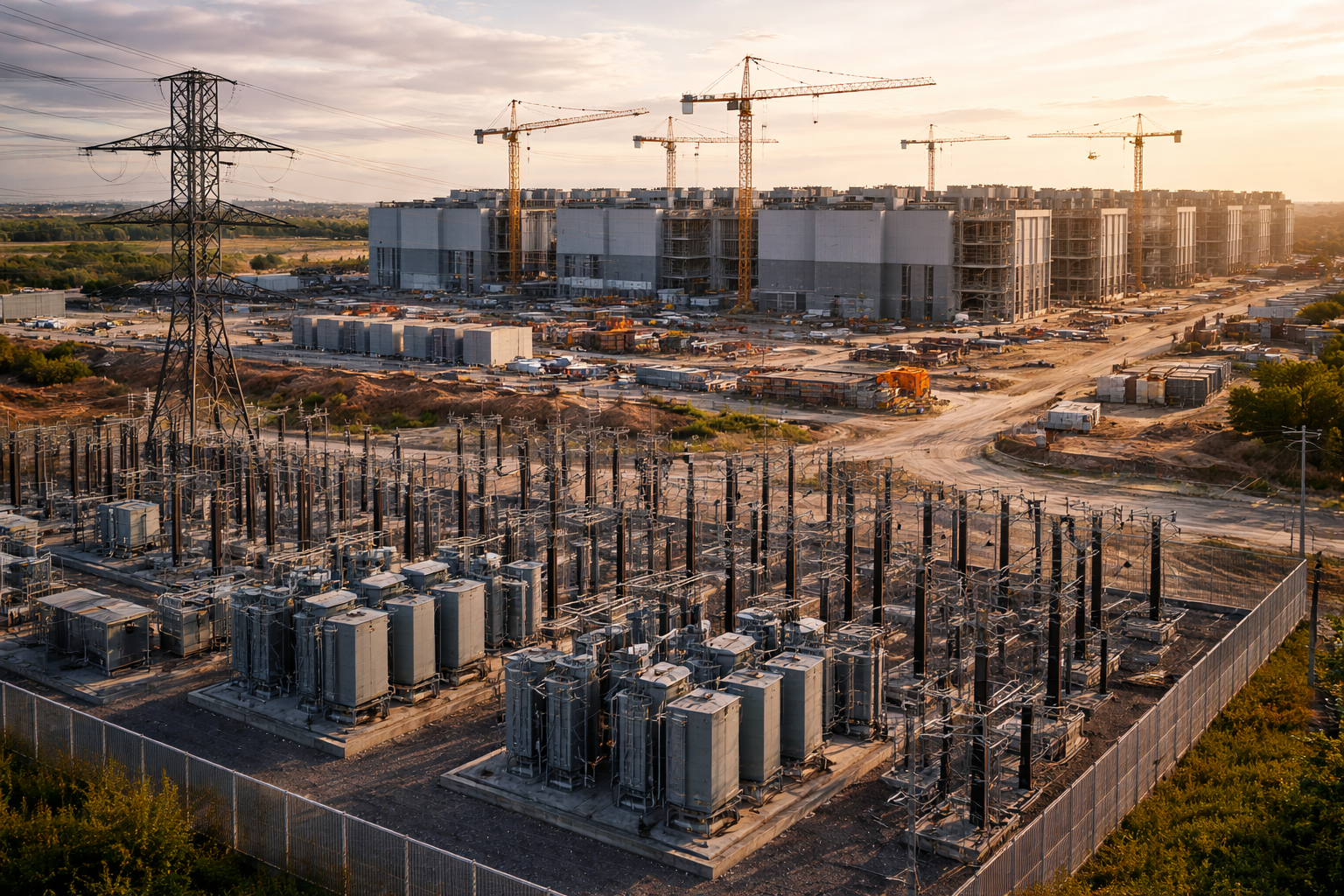
Heidelberg Materials UK has launched thermal products for underground cables. The range combines conductive concrete, sands, fills, bedding materials, and grouts for high-voltage energy infrastructure.
-
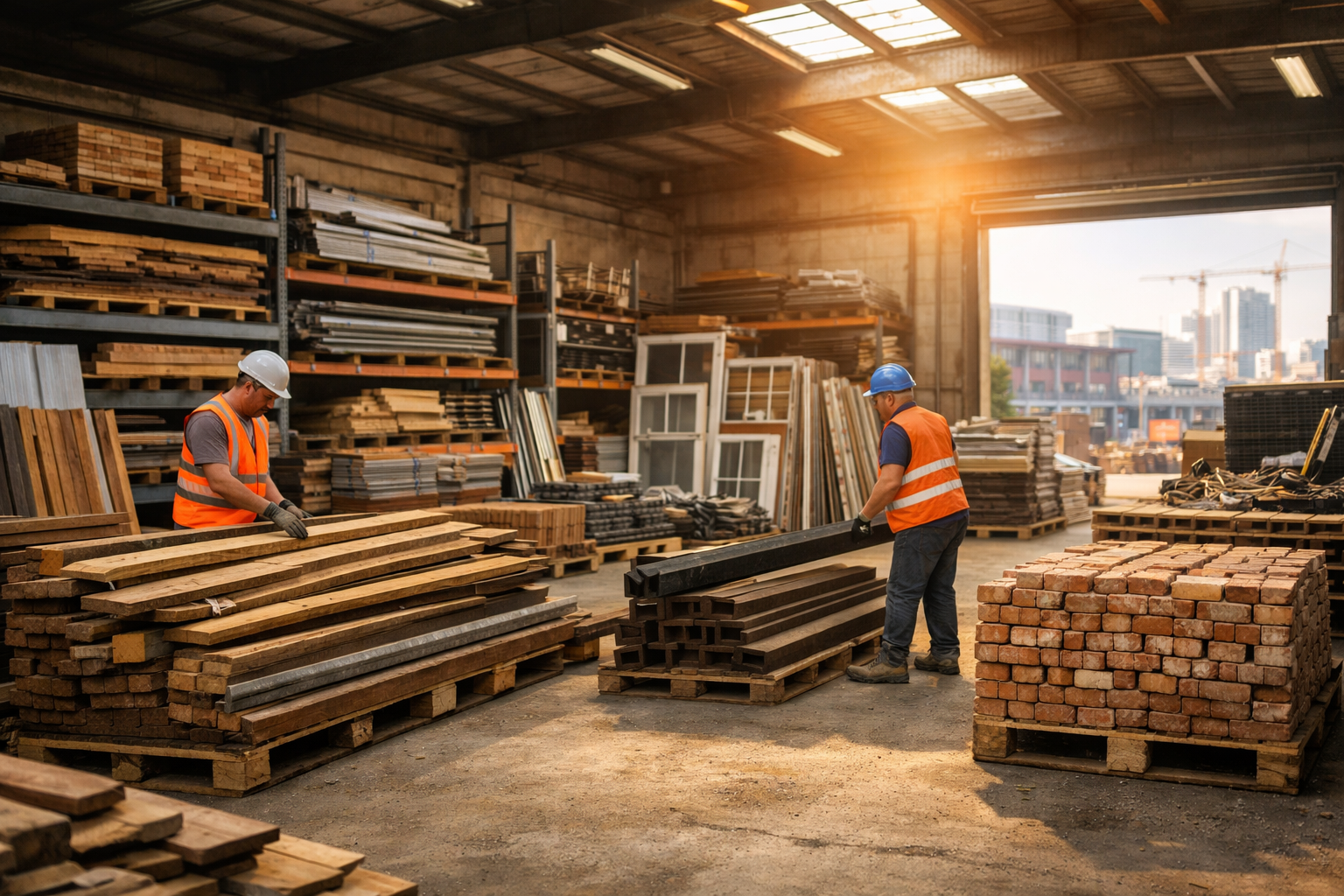
Bilbao’s new plant turns captured carbon and ash into aggregates. The facility could produce 125,000 tonnes of lower-carbon material annually for concrete products and infrastructure.
-

Skanska will build Kristianstad University’s new city-centre campus by 2029. The 25,000 sq m scheme includes one of Sweden’s largest concrete-component reuse programmes.
-

Breedon has completed a major Welsh Slate processing plant upgrade. The £1m investment will increase output, improve consistency, strengthen safety, and reduce material waste.
-

Heidelberg Materials secures North Yorkshire asphalt framework after competitive tender. The 12-month agreement covers about 35,000 tonnes and begins with a technically demanding lower-carbon resurfacing scheme in Pateley Bridge.
-
UK concrete sector launches plan to deepen circular construction practice. The framework introduces lifecycle metrics covering waste, packaging, surplus material, recovery, reuse, and higher-value recycling.
-
French construction companies have formed an alliance for lower-carbon concrete. The group will address standards, procurement, distribution, and practical adoption across live projects.
-
Marley has launched a lower-carbon concrete roof tile for Britain. Edgemere 2.0 retains familiar installation requirements while using cement linked to verified carbon capture and permanent storage.
-
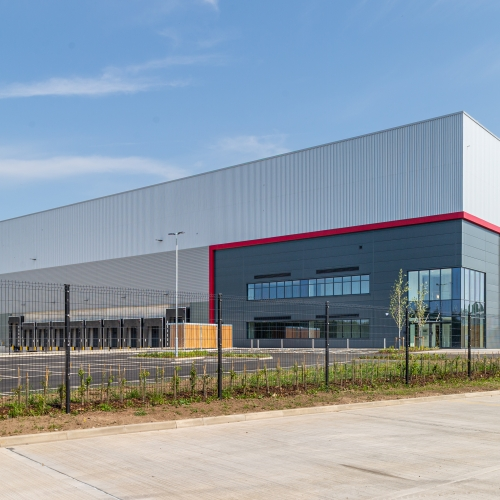
Arrow Point Bolton now contains two completed major industrial buildings. The 327,750 sq ft scheme combines high-capacity logistics space with rooftop solar, lower-carbon groundworks, and substantial biodiversity gains.