IN Brief:
- BAM UK & Ireland has been appointed construction partner for the southern EGL3 converter station at Walpole, Norfolk.
- The proposed 2GW high-voltage direct-current link would connect Peterhead in Scotland with Walpole in England.
- Mott MacDonald will lead civil and structural design, while the wider EGL3 project remains subject to consent.
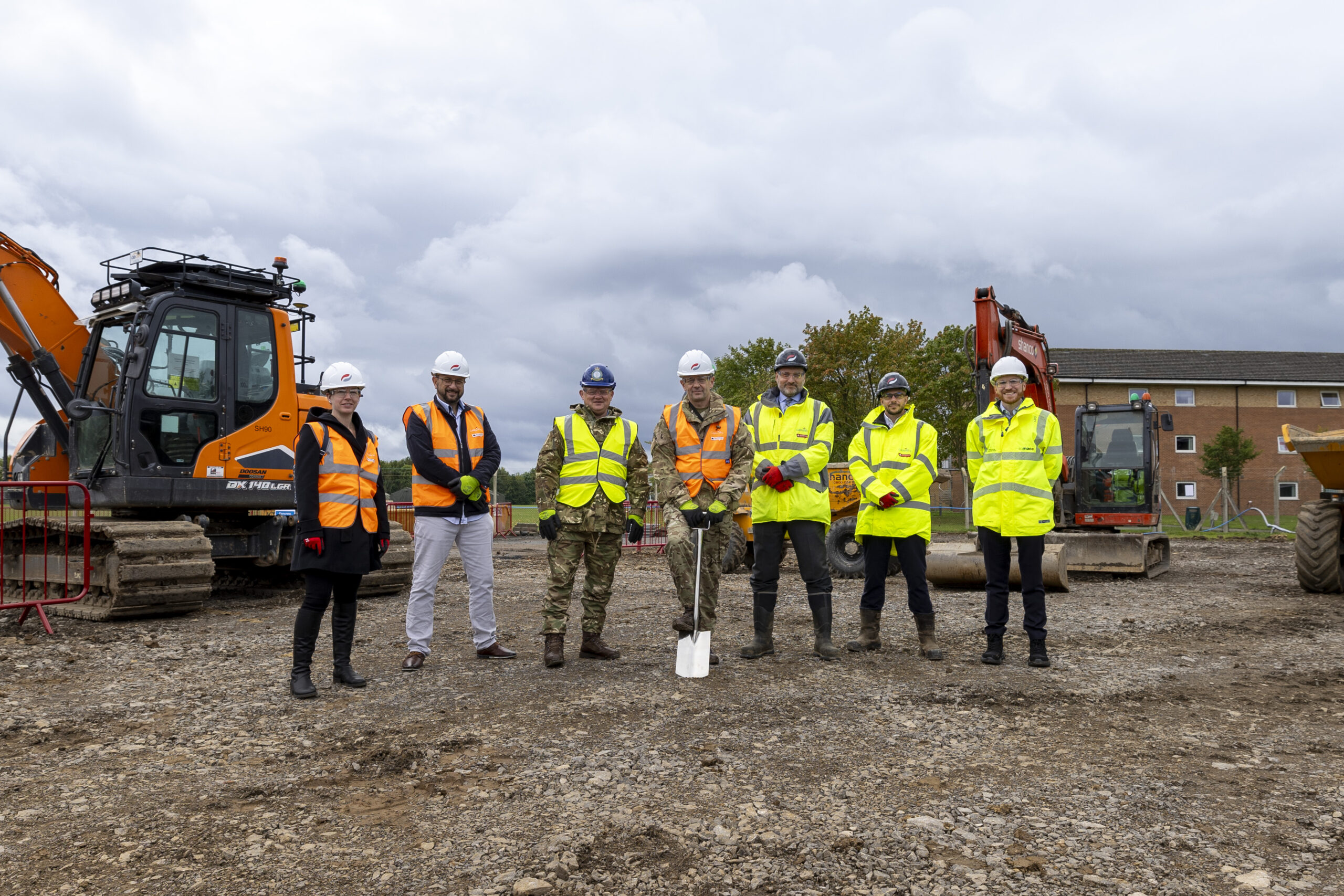
BAM UK & Ireland has been appointed by National Grid Electricity Transmission to deliver the southern converter station works for Eastern Green Link 3, the proposed 2GW electricity connection between Scotland and England. The latest appointment covers the Walpole site in Norfolk and follows BAM’s earlier role at the northern converter station near Peterhead in Aberdeenshire.
Eastern Green Link 3, or EGL3, is being developed jointly by National Grid Electricity Transmission and SSEN Transmission. The project is intended to transfer power between the Scottish transmission network and high-demand areas in England using subsea and underground cables. Its overall delivery still requires the relevant consents; the award of a construction partnership does not establish that the full transmission scheme has been authorised to proceed.
BAM’s new role is tied specifically to the civil engineering and construction requirements of the southern converter station. Mott MacDonald will act as lead civil and structural designer, extending its involvement in the project’s development. No contract sum or definitive start date for main construction at Walpole was provided in the appointment announcement.
Converter stations are essential to a high-voltage direct-current transmission link because the national electricity networks at either end operate with alternating current. The terminals contain equipment that converts electricity between AC and DC, allowing high-capacity power to pass through long cable routes before conversion for connection to the receiving network. The structure and foundations must support the converter plant, electrical equipment and the associated access, safety and maintenance arrangements.
The works also require careful coordination between the civil contractor and the electrical systems designers. Building geometry, equipment loads, cable entry routes, ventilation demands, transport access and installation sequences can all influence the construction programme. The extent of particular earthworks, foundation types and building specifications at Walpole has not yet been disclosed, so those elements remain matters for the detailed design and delivery stages.
With appointments now in place at both ends of EGL3, BAM has a role in coordinating the construction interfaces for two geographically separate converter stations. The northern and southern sites serve different local networks and operate within distinct ground, environmental and planning conditions. A common contractor may offer continuity in delivery methods and programme management, but it does not remove site-specific consenting or design requirements.
BAM is already involved in Eastern Green Link 2, where converter station construction is progressing at Peterhead and Drax in North Yorkshire with National Grid, SSEN Transmission and Hitachi Energy. That experience provides an established reference point for coordinating major high-voltage direct-current infrastructure. The projects are separate connections, however, and their funding, consents and construction milestones should not be treated as interchangeable.
EGL3 forms part of National Grid’s Great Grid Upgrade programme. National Grid identifies approximately 436km of subsea high-voltage direct-current cable within English waters, with landfall north of Anderby Creek on the Lincolnshire coast. The proposed southern connection also includes roughly 5km of underground high-voltage alternating-current cable between the converter station and the proposed 400kV Walpole B substation. These are separate route components, not figures for the complete Scotland-to-England link.
The conversion from DC to AC at Walpole will require the terminal’s electrical equipment, buildings and cable entries to match the wider network design. Civil works and equipment installation cannot be fixed independently: foundation loads, transport routes, safe clearances and the position of cable terminations have to be resolved through coordinated design. Detailed foundation specifications and a confirmed main construction start date were not included in the November contract announcement.
Mark Brackley, project director for Eastern Green Link 3 at National Grid Electricity Transmission, said: “Awarding this contract is an important step forward for Eastern Green Link 3”. Brackley linked the appointment to the wider programme of transmission investment. BAM’s appointment establishes the southern civil construction partnership; it does not substitute for the permissions needed before the proposed link can be built.
Mott MacDonald is the lead civil and structural designer supporting BAM. At Walpole, the station layout must accommodate converter equipment and the planned AC cable connection towards the new 400kV substation. National Grid and its delivery partners will need to bring the equipment, civil engineering and planning requirements together as the design advances, with the final construction programme dependent on consent.
BAM’s involvement at both the Norfolk and Aberdeenshire converter sites provides a common civil delivery partner across the proposed route. The locations will nevertheless have separate foundation designs, access arrangements and planning constraints. The project’s published 2GW capacity and estimate of electricity equivalent to two million homes describe intended operating capability, not work already completed or an approved energisation date.
National Grid and SSEN Transmission continue to develop the proposed Peterhead–Walpole connection. The 9 November appointment brings the southern converter station to a defined contractor appointment and design stage, while site works remain dependent on the consent process and the next detailed engineering decisions.