IN Brief:
- Volvo CE and Trimble are integrating the Earthworks 3D grade control platform into the Co-Pilot touchscreen on F-series excavators.
- The system combines model-based excavation guidance with the existing operator interface, avoiding the need for a separate guidance display.
- Production is planned for selected excavators and markets in Q1 2027, subject to further development and validation.
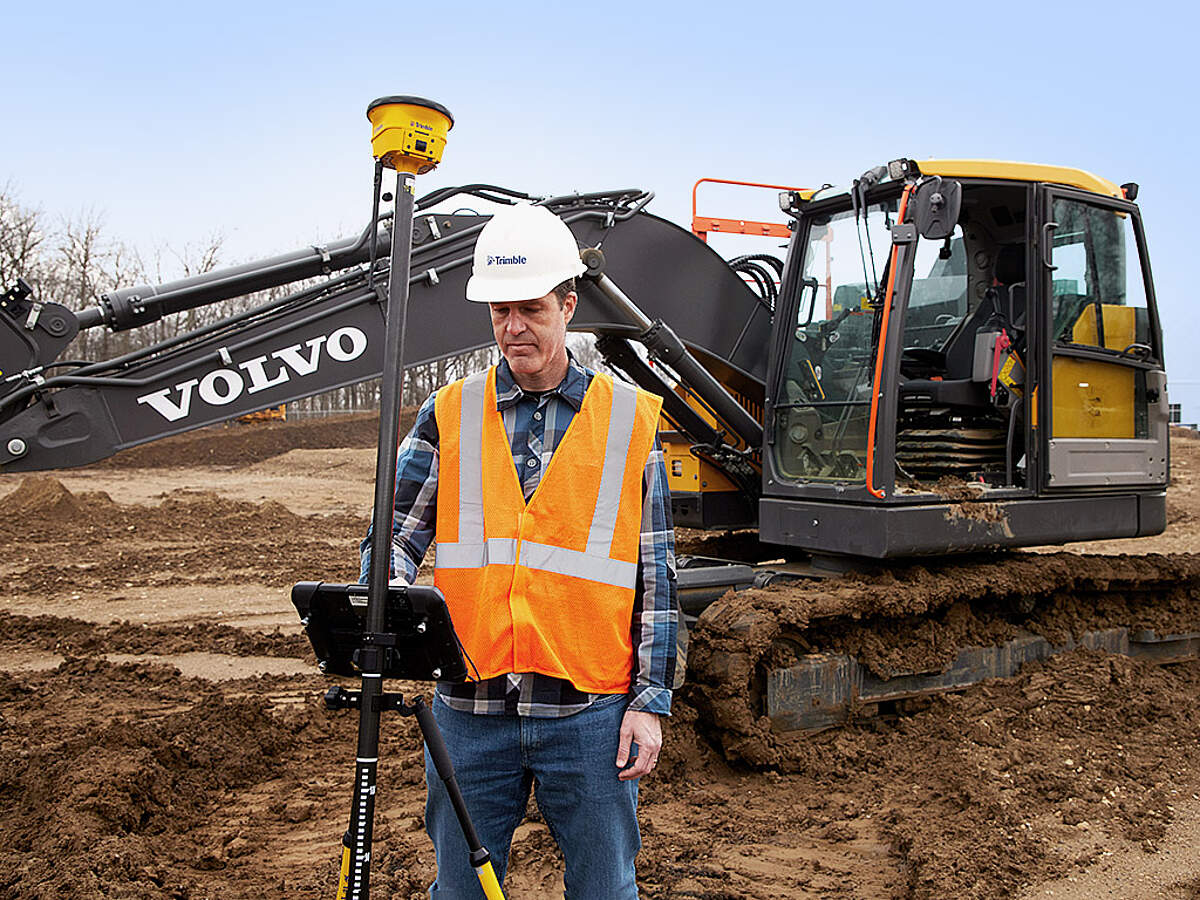
Volvo Construction Equipment and Trimble are integrating 3D machine control directly into the Volvo Co-Pilot touchscreen on selected F-series excavators, combining excavation guidance with the manufacturer’s existing operator interface. The development brings Trimble Earthworks positioning and grade control technology into the cab environment, with production scheduled to begin during the first quarter of 2027.
The integration will allow operators to access Earthworks guidance through the Co-Pilot display rather than requiring a separate monitor for the grade control system. Volvo and Trimble intend the arrangement to simplify the operator’s interaction with excavation information, reduce duplication of cab equipment, and make technical support and software management more straightforward.
The companies have previously worked together to integrate Trimble Earthworks with Volvo Dig Assist, the excavator assistance platform used on existing machines. The latest development extends that relationship to the F-series excavator platform, incorporating the guidance software and associated positioning technology within a more integrated machine configuration.
Three-dimensional machine control uses a digital construction model to establish the intended geometry of an excavation or finished surface. Positioning and machine information allow the guidance system to compare the working position of the excavator with the design, displaying the remaining difference between the current excavation and the required level or profile.
Operators can use this information to guide excavation towards the specified formation without depending entirely on physical grade stakes or repeated manual measurements. The system is intended to assist work involving defined surfaces, slopes, and excavation profiles, where maintaining the relationship between the bucket and the design is important.
Accurate guidance depends on the quality of the digital model and the positioning information available to the machine. An incorrect design surface, unsuitable positioning configuration, or inaccurate machine calibration can affect the result, regardless of how the information is displayed in the cab. The integrated interface does not eliminate those underlying technical requirements.
Trimble Earthworks supports three-dimensional construction models, real-time guidance, and connected workflows linking site and office information. The new Volvo integration retains these functions while presenting the operator with a single touchscreen interface. The arrangement is intended to reduce the additional equipment and display management associated with installing separate grade control systems.
Eliminating an additional in-cab monitor is different from removing the positioning hardware needed for machine control. Trimble continues to supply the positioning and software technologies underpinning Earthworks, while Volvo provides the excavator platform and Co-Pilot environment. The companies have not yet published the complete hardware configuration for every supported F-series machine.
The combined interface is intended to present machine assistance and excavation guidance without requiring operators to switch between independent displays. Volvo identifies simpler daily software management and reduced cab complexity among the expected benefits. Those claims concern the forthcoming integrated arrangement and have not been accompanied by comparative measurements from an independently published trial.
Construction projects commonly use digital design information to define the levels and geometry required for earthworks. Excavation contractors must translate those design requirements into physical surfaces, often working across areas where the intended formation changes over relatively short distances.
Machine control can support that process by continuously presenting the difference between the working position and the design. Where the operator can see the intended target level during excavation, fewer corrective passes may be required to achieve the specified profile. The actual outcome remains dependent on site conditions, machine capability, operator decisions, and the accuracy of the digital construction information.
Volvo and Trimble expect the integration to help reduce rework, manual grade checks, and material waste. No quantified improvement in excavation output, fuel consumption, material use, or operating hours has been disclosed for the forthcoming F-series configuration. Its productivity performance will therefore need to be assessed once the equipment is available in production and used on construction projects.
Information exchange between the design office and the site is another part of the system’s intended operation. A digital model used for construction guidance must correspond with the current approved design, and changes to levels, alignments, or excavation boundaries have to be reflected in the information supplied to the machine.
Connected workflows can help maintain that relationship, although the responsibilities for approving design revisions and controlling site information remain with the project team. Machine guidance cannot determine whether a design change is technically acceptable or whether an excavation is safe to proceed in the presence of underground services or unstable ground.
The operator also remains responsible for controlling the excavator. The companies describe the development as an integrated guidance and machine control solution, not a fully autonomous excavation system. Existing requirements for site supervision, equipment operation, service avoidance, and safe working arrangements continue to apply.
The integration may provide a more consistent equipment configuration for contractors operating Volvo excavators fitted with compatible guidance technology. Separate installations can involve additional cab displays and independent software arrangements, whereas the new system brings Earthworks functions into an interface already used for Volvo machine assistance.
Technical development and validation will continue before production begins. Volvo and Trimble have confirmed that the initial launch will be limited to selected excavators and markets, but have not identified every supported model or the geographical sequence of availability.
Commercial details also remain outstanding. Ordering arrangements, the precise equipment configuration, software support, and any requirements affecting existing machines will be confirmed closer to the production launch. The announcement does not establish that current F-series excavators can be upgraded to the integrated system through a software update alone.
The collaboration extends the use of digital guidance within equipment manufacturer interfaces, combining Trimble’s established construction positioning systems with Volvo’s F-series excavator platform. Its operational benefits will depend on how effectively the integrated configuration performs under actual site conditions and how the forthcoming ordering and support arrangements are implemented.
Production is planned to begin in Q1 2027 following the remaining technical development and validation work. Until the supported machines, markets, and commercial specifications are confirmed, the integration remains a forthcoming equipment option rather than a universally available feature across Volvo’s excavator range.